Key Points
Key Points
- Start small with one bed and three crops you love to eat
- Most vegetables need six to eight hours of direct sunlight a day
- Feed the soil with compost before you plant anything
- Radishes, lettuce and beans are among the most forgiving beginner crops
- Water deeply at the roots and mulch to hold moisture
- Harvest often and keep a short garden journal for next season
On This Page
- What You Will Learn in This Guide
- Start Small: One Bed and Three Crops You Love
- Subscribe to CAAW News
- Find the Sunniest Spot You Have
- Feed Your Soil Before You Plant Anything
- Pick Vegetables That Forgive Beginners
- Plant at the Right Time and the Right Depth
- Water Deeply, Mulch, and Watch for Pests
- Harvest Often and Learn From Your First Season
- Frequently Asked Questions
- How many hours of sunlight do vegetables need?
- What is the easiest vegetable to grow for a beginner?
- How much does it cost to start a vegetable garden?
- Should I choose a raised bed, containers, or an in-ground plot?
- How often should I water my vegetable garden?
- When is the best month to start a vegetable garden?
- Final Thoughts
- React to this story
I still remember the first tomato plant I ever grew. I planted it in the shadiest corner of my yard, watered it whenever I remembered, and watched it droop a little more every week until it gave up completely. I felt embarrassed, and I nearly decided that gardening just was not for me. Four seasons later, I pick fresh salad leaves, beans and tomatoes from my own garden through most of the summer, and I spend less on groceries than I used to. If you are afraid of wasting a whole season and a pile of money on plants that die, I understand you completely, because that was me. This guide gives you the exact beginner steps that turned my garden around, and by the end of it you will have a simple plan for your own first bed, even if you have never grown a thing before.
I am not a professional gardener. I am a home gardener who made every beginner mistake first, so you do not have to. Everything below is what actually worked in my own small garden.
What You Will Learn in This Guide
- How to start small with one bed and three crops you love
- How to find the sunniest spot in your yard or on your balcony
- How to feed your soil so your plants grow strong
- Which beginner vegetables forgive mistakes and reward you fast
- When and how deep to plant your seeds and seedlings
- How to water, mulch and deal with pests without chemicals
- How to harvest well and learn from your very first season
Start Small: One Bed and Three Crops You Love
My first garden failed partly because I tried to grow everything at once. I sowed twelve kinds of seeds in a weedy patch, and within a month the whole thing was a jungle I did not want to look at. Starting small is the single best decision I made when I tried again.
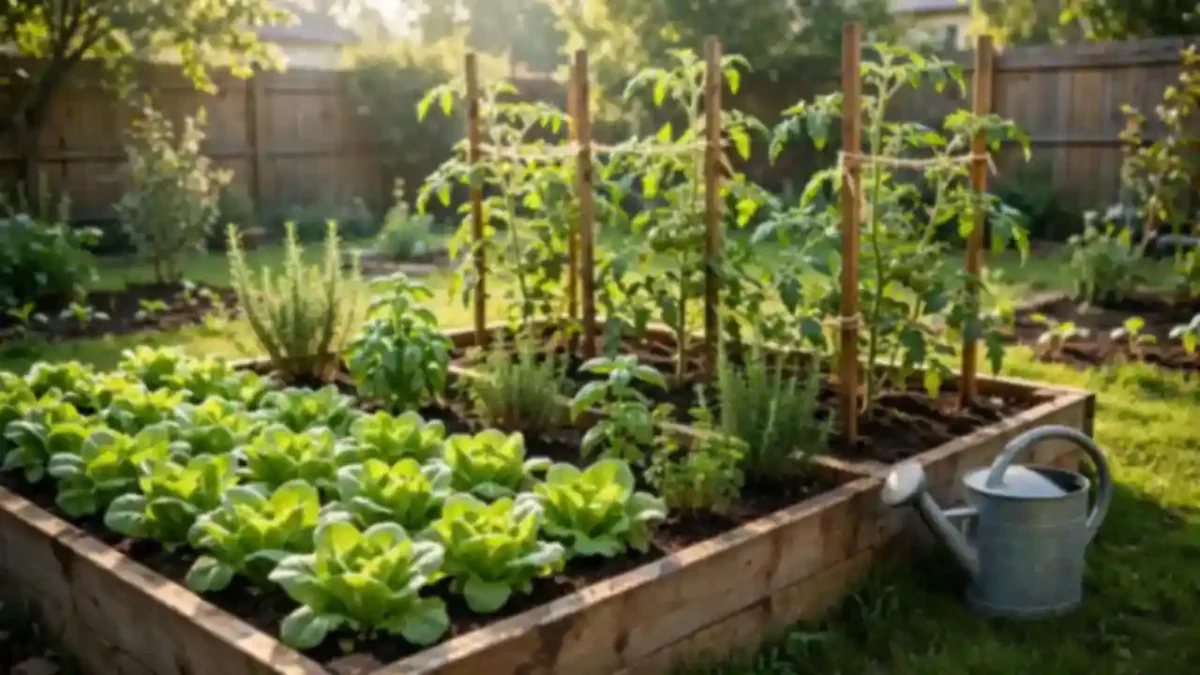
A single 4 by 4 foot bed, or a few decent containers, is plenty for your first season. The Old Farmer’s Almanac beginner guide makes the same point: a 4 by 4 or 4 by 8 foot garden is a manageable size for most beginners, and pots or grow bags work too if you are short on space. You can read their seven-step beginner guide for the full walkthrough.
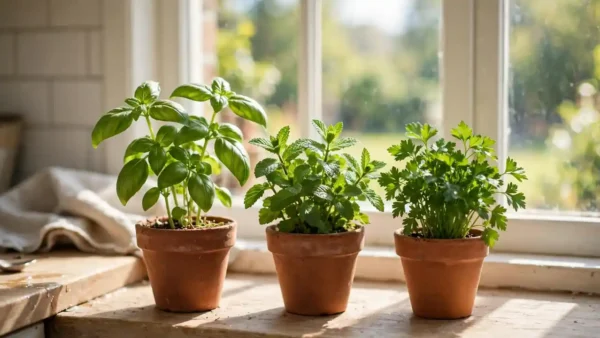
I also learned to grow only what I actually enjoy eating. There is no point saving space for a vegetable nobody in your house will touch. I started with lettuce, radishes and bush beans, because I eat all three every week, and that small bed fed us salads all summer. If you love fresh herbs as well, our guide on how to grow herbs on a windowsill pairs beautifully with a first vegetable bed.
Find the Sunniest Spot You Have
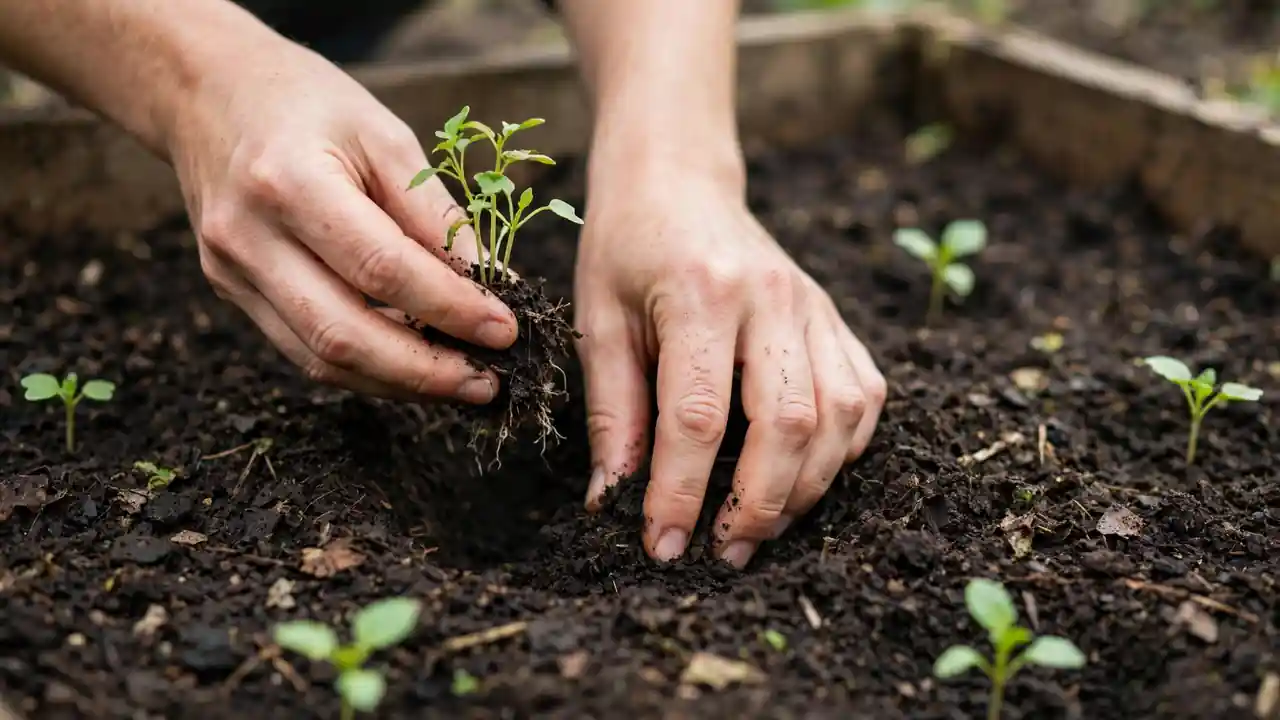
I moved my garden twice before I understood how much sunlight matters. My first bed sat behind a fence that stole the afternoon sun, and my plants grew slowly and tasted weak. When I finally moved the bed to the sunniest corner, the difference was obvious within weeks.
Most vegetables need at least six to eight hours of direct sunlight a day, and fruiting crops like tomatoes and peppers are the greediest of all. Leafy greens and herbs will manage with a little less, around four to five hours, but they still want real light, not deep shade. Watch your yard for a day before you dig: note which spots get morning sun, which keep it through the afternoon, and which fall into shade early.
Good drainage matters just as much. Avoid low, soggy patches where water sits after rain, and avoid steep slopes where your topsoil will wash away. A level spot near a tap or a hose will save you hundreds of tired trips with a watering can, and that convenience matters more than you think on a hot evening.
Feed Your Soil Before You Plant Anything
I used to think soil was just dirt, something to hold plants upright. I was wrong, and my plants paid for it. Healthy soil is loose, dark and crumbly, full of life, and it is the real secret behind every good garden I have seen since.
Before planting, clear the area of weeds and grass, then work in plenty of compost or well-rotted manure. Compost loosens heavy soil, helps sandy soil hold water, and feeds the microbes that feed your plants. If your soil is hard and compacted, do not plant into it as it is: dig in compost until it feels soft and crumbly in your hand.
A simple soil test is worth doing if you want to go further. Cheap home test kits tell you the basics, and many local extension services will test a sample properly for a small fee. I tested mine in my second year and discovered it was low in organic matter, which explained a lot. Even without a test, though, a thick layer of compost is the safest first step any beginner can take.
Pick Vegetables That Forgive Beginners
Some vegetables are kind to beginners, and some are not. I learned this the hard way with cauliflower, which demanded perfect timing and rewarded me with almost nothing. These days I always point new gardeners at the forgiving crops first.
Radishes are my top recommendation for a first crop. They sprout in days, they are ready to eat in about a month, and they grow happily in containers and small beds. Lettuce and spinach are just as friendly, and you can pick a few leaves at a time so one small patch keeps feeding you for weeks. Bush beans are another favourite of mine: they grow fast, they need little care, and they actually improve your soil as they grow.
Tomatoes are popular for a reason, but give them sun and support from the start, because they grow big and heavy fast. Peppers, cucumbers and courgettes are good second-season crops once you have one season of confidence behind you. One more personal tip: never plant mint directly in a bed. I did, and it took over half the bed within a year. Mint belongs in a pot, always.
Plant at the Right Time and the Right Depth
Timing scared me more than anything in my first year. I planted warm-season crops too early, a cold snap arrived, and I lost half my seedlings in one night. The fix turned out to be simple: check your local last frost date before you plant anything tender.
Your seed packets and plant labels are your best friends here. They tell you how deep to sow, how far apart to space plants, and whether to start indoors or sow straight outside. As a rough rule, plant a seed about twice as deep as the seed itself is wide, and give plants the spacing the packet asks for, even when the seedlings look tiny and lonely. Crowded plants compete for light and water, and they grow weak.
Cool-season crops like lettuce, spinach and radishes can go in early, while tomatoes, peppers and beans wait until the soil has warmed up after the last frost. If you are unsure, your local nursery or extension service can tell you the planting dates for your area, and that local advice beats any generic calendar I could give you here.
Water Deeply, Mulch, and Watch for Pests
Overwatering is the mistake I see most often in new gardeners, and I made it myself. I used to sprinkle a little water every day, which kept the surface wet while the roots stayed shallow and thirsty. Deep watering changed everything for me.
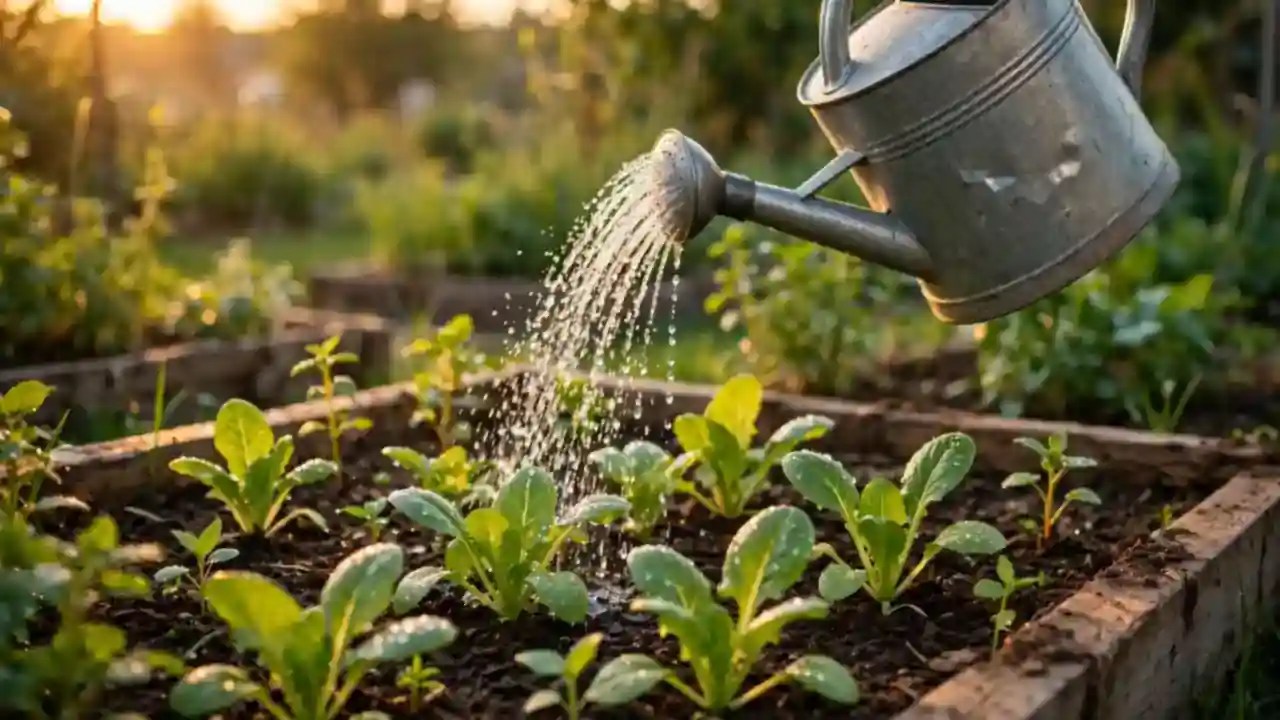
Water the soil, not the leaves, and water deeply so moisture reaches the roots. Morning is the best time, because it reduces evaporation and gives leaves time to dry, which helps prevent fungal disease. Sonoma County Master Gardeners give a beautifully simple test in their beginner gardening advice: push your index finger into the soil to the first knuckle. If it feels moist, wait. If it feels dry, it is time to water.
Mulch is my other non-negotiable habit. A layer of straw, leaves or wood chips around your plants keeps moisture in, keeps weeds down, and keeps the soil cool. For pests, I check my plants a few times a week and pick off caterpillars and slugs by hand before they become a problem. Planting flowers nearby also helps, because it invites ladybirds and other helpful insects into the garden.
Harvest Often and Learn From Your First Season
Here is a happy secret I did not expect: the more you pick, the more many plants give you. Lettuce, herbs and beans all produce better when you harvest them regularly, so do not be shy about cutting leaves for tonight’s dinner. Pick vegetables at their peak, in the cool of the morning, and use clean tools so you do not damage the plant.
Keep a short garden journal, even if it is just notes on your phone. I write down what I planted, when I planted it, what worked and what failed. That little record is the reason my second season was twice as good as my first, because I stopped repeating my own mistakes. Simple crop rotation helps too: try not to plant the same family of vegetables in exactly the same spot year after year, since that reduces disease and pest build-up in the soil.
Finally, give yourself permission to enjoy it. My garden gives me fresh food, yes, but it also gives me quiet mornings outside and a reason to step away from screens. Leafy greens from the garden even made their way into my evening routine, and I wrote about why greens matter in our guide to the best foods for better sleep. And on the days I cook a big breakfast with my own tomatoes, I turn to our best high-protein breakfasts for ideas.
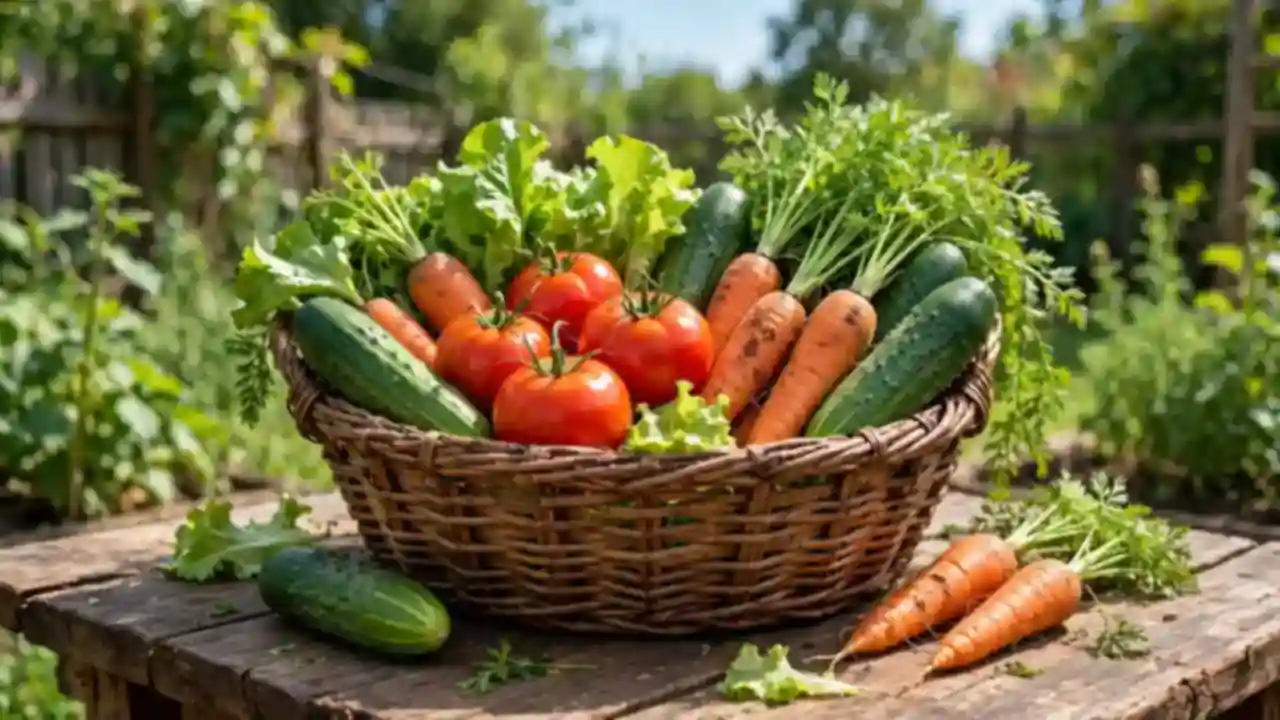
My biggest beginner mistake: I planted far too much, far too close together, and then felt guilty every time I looked at the mess. A small tidy bed you love looking after will always beat a big wild one you avoid. Start small, succeed small, and grow bigger next season.
Frequently Asked Questions
How many hours of sunlight do vegetables need?
Most vegetables need six to eight hours of direct sunlight a day. Fruiting crops like tomatoes and peppers need the most, while leafy greens and herbs can manage with four to five hours.
What is the easiest vegetable to grow for a beginner?
Radishes, lettuce and bush beans are among the easiest. They grow quickly, need little space, and forgive small mistakes, which makes them perfect confidence builders for your first season.
How much does it cost to start a vegetable garden?
It can be very cheap. One 2026 beginner guide puts a small container garden at around 20 to 50 dollars if you reuse containers and make your own compost, while raised beds cost more depending on materials. Starting with seeds rather than seedlings also keeps costs down.
Should I choose a raised bed, containers, or an in-ground plot?
Raised beds suit most beginners because they drain well, warm up early and are easy on your back. Containers are best for balconies and small spaces. In-ground plots cost the least but need the most work to clear and improve the soil.
How often should I water my vegetable garden?
Water deeply a few times a week rather than a little every day, and always check the soil first with the finger test. Plants in containers dry out faster than plants in beds, so check pots daily in hot weather.
When is the best month to start a vegetable garden?
It depends on your climate. In many regions, spring after the last frost is ideal for warm-season crops, while early autumn suits cool-season crops. Always check your local frost dates before planting.
Final Thoughts
Looking back, my first failed tomato plant was the best thing that could have happened to me. It taught me that gardening is not a talent you are born with, it is a skill you build one season at a time, and every mistake teaches you something useful. You do not need a big yard, fancy tools or years of experience. You need one sunny spot, one small bed, a few seeds, and the patience to check on them most days.
Congratulations on taking the first step just by reading this guide. Now pick your three crops, find your sunniest corner, and get your hands in the soil this week. I would love to hear how your first season goes, so please share your plans, your wins and even your failures in the comments below.
React to this story