Key Points
Key Points
- Currents redistribute heat from equator to poles
- The Gulf Stream makes north-west Europe milder and wetter
- Cold currents cool and dry the coasts they pass
- Warm water fuels hurricanes and shapes rainfall
- Thermohaline circulation cycles water over centuries
- Future circulation changes are possible but timing is uncertain
On This Page
- In This Guide, You Will Learn
- The Beach Walk That Changed How I Read a Forecast
- Subscribe to CAAW News
- Warm Currents, Cold Currents, and the Global Conveyor
- The Gulf Stream: Europe’s Warm Blanket
- How Currents Feed Storms, Rain, and Monsoons
- Cold Currents and the Coasts They Cool
- What Happens If Currents Weaken or Shift?
- Frequently Asked Questions
- What is an ocean current?
- How does the Gulf Stream affect Europe’s weather?
- Why are some coastal deserts next to cold oceans?
- Do ocean currents cause hurricanes?
- What is thermohaline circulation?
- Could climate change slow ocean currents?
- Final Thoughts
- React to this story
I once stood on a cold beach in winter and wondered why the sea felt warmer than the air, and why a place so far north could feel so much milder than another town at the same latitude on a different continent. I did not know then that I was feeling an ocean current at work, an invisible river in the sea carrying warmth thousands of miles from the tropics. That quiet, powerful movement shapes our weather every day, from mild winters to storm tracks to rainfall, and I wrote this guide because once you see it, you can never unsee it. I will explain ocean currents in plain language, show you how they warm, cool, and stir our skies, and share what 2026 research says about their future, so the next forecast makes a little more sense.
A quick trust note: ocean science is complex and still being refined, especially on future circulation changes. I will mark what is well established, what is modelled, and what researchers are still investigating, rather than presenting a guess as a fact.
In This Guide, You Will Learn
- What ocean currents are and what drives them
- How the Gulf Stream warms north-west Europe
- Why cold currents make coasts cooler and drier
- How currents feed storms, rain, and monsoon patterns
- What 2026 research says about currents and carbon
The Beach Walk That Changed How I Read a Forecast
I used to read weather forecasts as if the sky acted alone, clouds arriving, wind changing, rain falling, with the sea as a pretty backdrop. That changed on a winter walk when the wind came off the water and felt surprisingly mild, and a local fisherman told me, simply, that the sea remembers summer longer than the land does.
He was right in a deeper way than he knew. The ocean stores heat, moves it around the planet, and then hands it back to the air, which is why coastal weather often feels moderated, with cooler summers and milder winters than inland places at the same latitude. Once I understood that, forecasts stopped looking like random sky moods and started looking like a conversation between sea and air.
Ocean currents are large-scale movements of seawater, driven by wind, temperature and salinity differences, the Earth’s rotation, and tides, and they regulate global climate by redistributing heat from the equator towards the poles, as one 2026 overview summarised: ocean currents regulate global climate by redistributing heat from the equator to the poles, warming places like Europe via the Gulf Stream while cooling others through upwelling.
Warm Currents, Cold Currents, and the Global Conveyor
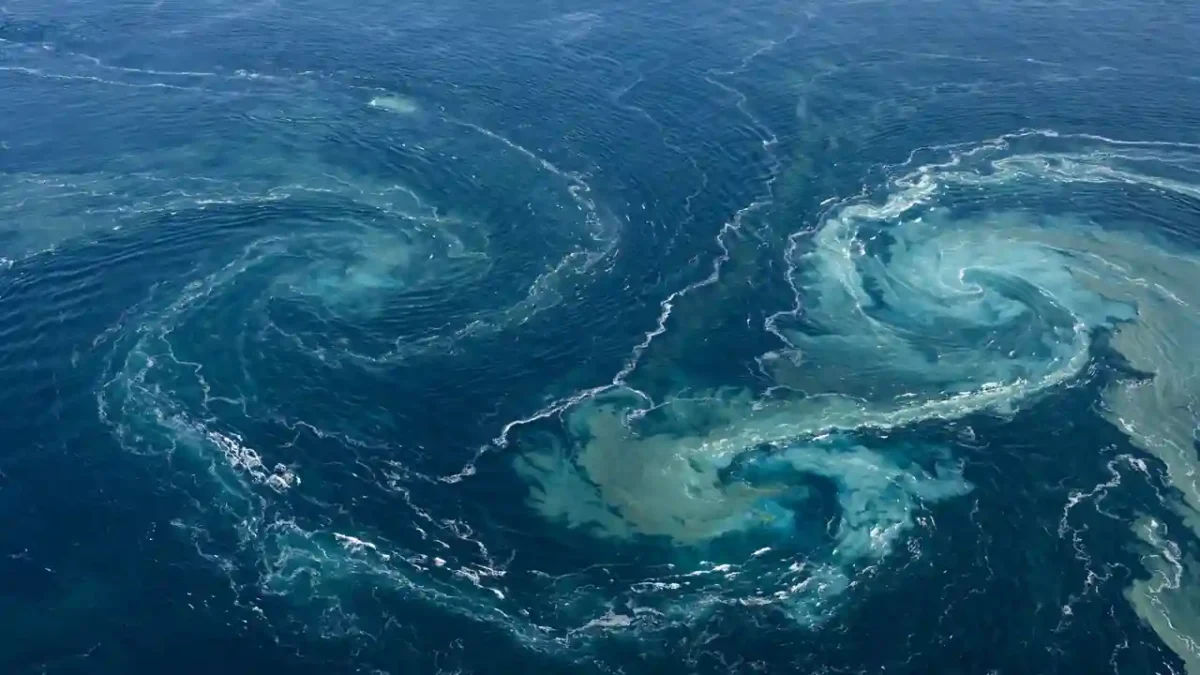
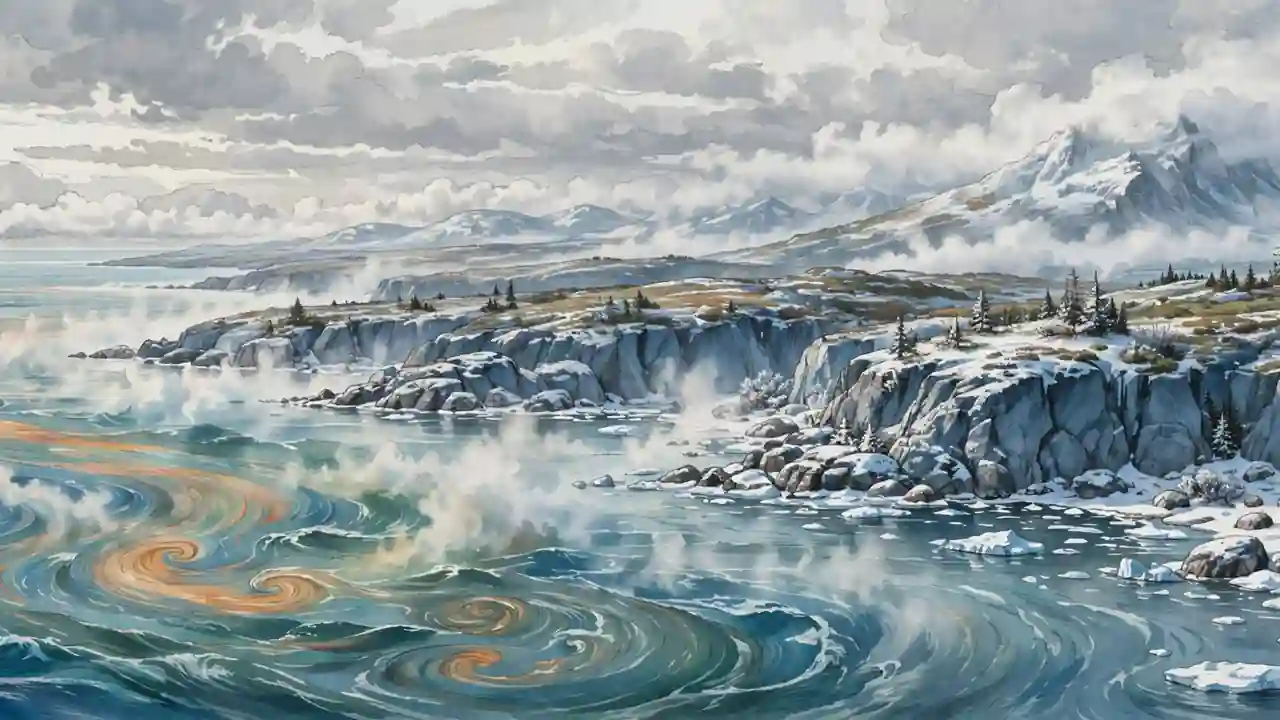
I picture the ocean as two linked systems working at once. On the surface, winds push water into great rotating gyres and fast currents, like the Gulf Stream, while deep below, a slower system moves water because of density differences from temperature and salt, a system scientists call thermohaline circulation.
Thermohaline circulation, often called the global conveyor belt, is described as a deep ocean current system powered by water density changes from temperature and salt, connecting all oceans and cycling water slowly over centuries. That slow timescale matters: water sinking in one ocean today may not return to the surface for hundreds of years, which is why the ocean gives climate a long memory.
Warm currents, such as the Gulf Stream, carry tropical warmth poleward, while cold currents, such as the Labrador Current or the Benguela Current, carry cold water towards the equator. When winds blow from the sea towards the coast, they carry that thermal effect inland, so a coastal area with a warm current and onshore wind becomes warmer and more humid, while a cold-current coast becomes cooler and drier. That simple pairing explains a surprising number of climate contrasts I used to find puzzling.
The Gulf Stream: Europe’s Warm Blanket
I find the Gulf Stream the easiest current to love, because its effect is so visible in everyday life. It begins in the Gulf of Mexico, flows north along the eastern coast of the United States, and then crosses the North Atlantic towards western Europe, carrying warm tropical water with it.
The result is that north-west Europe, including the United Kingdom, Ireland, and Norway, is far milder in winter than other places at similar latitudes, such as parts of Canada, which sit under colder continental air. A community explainer put it plainly: the Gulf Stream influences weather patterns by transporting warmth from equatorial regions towards the poles, moderating temperatures, and contributing to the development and intensification of storms.
Warm water also adds moisture to the air, so western Europe tends to be cloudier and wetter than it would be without the current, especially in winter when the contrast between warm sea and cold land is strongest. I now check sea-surface temperatures when I wonder why a European winter feels damp rather than bitterly cold, because the sea is often part of the answer.
The Gulf Stream is not only about warmth, either. Research published in early 2026 found that the Gulf Stream plays a pivotal role in the climate system through its transfer of heat, which ultimately supplies warmth to northern latitudes in the North Atlantic, and that it also shapes the carbon cycle by carrying nutrient-rich subsurface waters northward, feeding plankton growth that draws carbon dioxide from the atmosphere. The same report noted the North Atlantic accounts for 23% of global air-sea carbon uptake despite covering only 11% of the surface area, a striking reminder that currents do chemical work as well as thermal work.
How Currents Feed Storms, Rain, and Monsoons
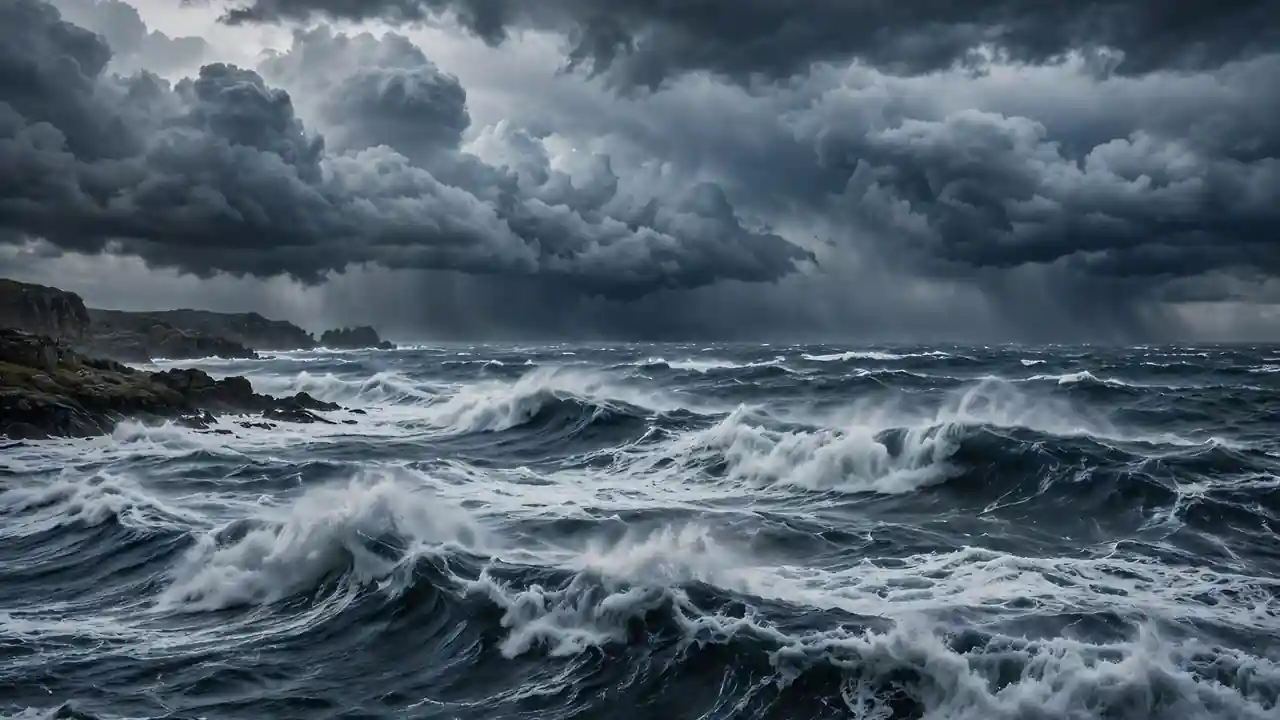
I used to think storms came from the sky alone, until I learned that warm ocean water is their fuel. Hurricanes and typhoons need warm surface water to strengthen, which is why they form over warm tropical seas and weaken over cold water or land, and why a warm current can help a storm intensify along its path.
Currents also shape rainfall far from the coast. Warm currents increase evaporation, loading the air with moisture that later falls as rain, while cold currents suppress evaporation and can help create arid coastal deserts, even where the latitude alone would suggest rain. That is why two coasts at similar latitudes can have completely different climates, one green and damp, the other dry and cool.
On a larger scale, currents interact with atmospheric patterns such as El Nino and La Nina, the warm and cool phases of the tropical Pacific, and with monsoon systems that depend on the contrast between warm seas and heated land. A 2026 overview noted that ocean currents influence the formation of hurricanes and typhoons, modulate the ENSO cycle, and impact regional climate patterns, which is why forecasters watch sea temperatures as closely as they watch the sky.
Cold Currents and the Coasts They Cool
I have a soft spot for cold-current coasts, because they break the assumption that the seaside is always mild and sunny. Off western South America, the cold Humboldt Current helps keep coastal Peru and Chile cool and dry, while off south-west Africa, the Benguela Current has a similar cooling effect, and off eastern North America, the cold Labrador Current chills the waters near Canada.
The mechanism is the same as for warm currents, only reversed. Cold water cools the air above it, reduces evaporation, and often creates stable air that resists rain, so the coast feels cooler and drier than its latitude suggests. Fishermen and farmers in these regions have known this for generations, even if they did not name the current, because their daily weather, fog, and catch all follow the sea’s temperature.
Upwelling adds another twist I find fascinating. Where winds push surface water away from a coast, cold, nutrient-rich deep water rises to replace it, feeding plankton, fish, and whole food webs. That is why some of the world’s richest fisheries sit off cold, upwelling coasts, and why changes in wind or current strength can ripple through both weather and livelihoods.
What Happens If Currents Weaken or Shift?
I am often asked whether the Gulf Stream could stop, and I think it is important to answer carefully, because headlines sometimes promise drama that the science does not. Researchers are studying whether warming and melting ice, which adds fresh water to the North Atlantic, could slow the broader Atlantic circulation, and models suggest that a significant slowdown would shift weather patterns, including European winters, storm tracks, and monsoon rainfall.
What is well established is the mechanism: fresh, less salty water is less dense, so it sinks less readily, which can weaken the deep sinking that drives part of the conveyor. What is less certain is the timing and size of any future change, because ocean circulation is complex, observations are still relatively short, and different models give different answers. I would treat any single headline claiming an exact collapse date with scepticism, and trust the broader consensus that change is possible and worth monitoring, not a settled timetable.
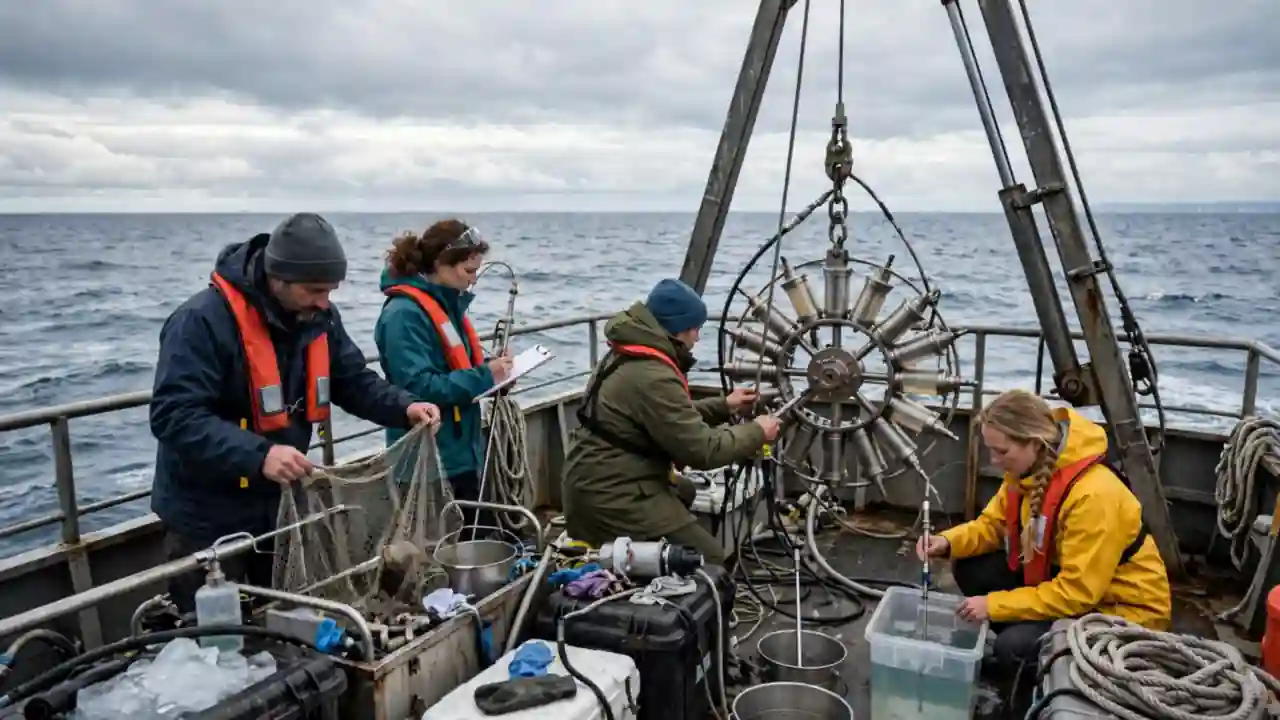
That is why scientists keep watching with buoys, satellites, and research ships, and why I find their work reassuring rather than alarming. We are not guessing blindly, we are measuring a slow, huge system in real time, and each year of data sharpens the picture. For a related story about a changing frozen world, see our article on scientists tracking melting glaciers, and for another ocean world entirely, our piece on the search for life on Enceladus shows how ocean science reaches far beyond Earth.
Callout: My three-question weather check. When a forecast surprises you, ask: Which sea is the wind coming from? Is that water warm or cold for the season? Has that current been unusually warm or cool lately? Those three questions will explain more coastal weather than any single cloud symbol on a map.
Frequently Asked Questions
What is an ocean current?
An ocean current is a large-scale, continuous movement of seawater, driven by wind, differences in temperature and salinity, the Earth’s rotation, and tides. Currents move heat, nutrients, and marine life around the planet.
How does the Gulf Stream affect Europe’s weather?
The Gulf Stream carries warm water from the Gulf of Mexico across the North Atlantic towards western Europe, moderating temperatures, softening winters, and adding moisture that brings cloud and rain, especially to western coasts.
Why are some coastal deserts next to cold oceans?
Cold currents cool the air above them and reduce evaporation, creating stable, dry air that resists rainfall. That is why some coasts beside cold currents are arid, even though they sit next to a vast ocean.
Do ocean currents cause hurricanes?
Currents do not cause hurricanes on their own, but warm ocean water provides the energy hurricanes need to form and strengthen. A storm travelling over warm water, including a warm current, is more likely to intensify than one over cold water.
What is thermohaline circulation?
Thermohaline circulation is the deep, slow movement of ocean water driven by density differences from temperature (thermo) and salinity (haline). It connects all oceans in a global conveyor that cycles water over centuries.
Could climate change slow ocean currents?
Researchers are investigating whether warming and added freshwater could slow parts of the Atlantic circulation, which would shift regional weather patterns. The mechanism is understood, but the timing and magnitude remain uncertain and are actively studied with buoys, satellites, and models.
Final Thoughts
I started this article standing on a cold beach, puzzled by warm-feeling water, and I end it with a sense of awe at how much of our weather is written in the sea before it ever reaches the sky. Currents warm our winters, feed our storms, water our coasts, and carry carbon and nutrients on journeys that outlast our lifetimes, all without ever asking for attention.
You have done well to follow that hidden river this far, and I hope the next forecast feels a little less random to you now. Watch the wind direction, remember the sea behind it, and tell us in the comments about a coastal place whose weather surprised you, because your story might be another current, quietly doing its work, waiting to be noticed.
React to this story