Key Points
Key Points
- The Dangote refinery — Africa's largest at 700,000 bpd — runs at full tilt, yet Nigerian pump prices hit records: petrol ~₦1,400/litre in Lagos, up to ₦1,500 in the north.
- September 2026: gantry price raised 6.7% to ₦1,350/litre; October saw diesel cut to ₦1,700 on the 7th, then hiked to ₦1,800 on the 10th — 72 hours of whiplash.
- In July 2026 the refinery switched local sales to US dollar pricing (petrol $0.779/litre), as the naira-for-crude programme withered and NNPC supplied only ~7 of the 13–15 monthly cargoes needed.
- July brought the refinery's lowest domestic supply of 2026 (25.9M litres/day) while all three NNPC refineries sat idle — one plant carrying a nation's fuel.
- The refinery consistently undercuts import parity, but cannot shield consumers from $100+ Brent — a lesson for every African country dreaming of its own Dangote.
- With Nigeria's January 2027 election ahead, fuel prices have become the central test of President Tinubu's economic record.
On This Page
- What you’ll learn in this article
- The giant that was supposed to end Nigeria’s fuel pain
- Subscribe to CAAW News
- ₦1,350 a litre: the price timeline nobody warned you about
- The day Dangote started pricing petrol in dollars
- The July warning: when even Dangote’s supply dipped
- What it means for the rest of Africa
- What this means for you
- Frequently asked questions
- How big is the Dangote refinery?
- Why are fuel prices in Nigeria at record highs if the refinery is running?
- What is the current petrol price in Nigeria?
- Why did Dangote start pricing fuel in dollars?
- Does the Dangote refinery export fuel to other African countries?
- Will fuel prices fall before Nigeria’s 2027 election?
- Final thoughts
- React to this story
Here’s a question I can’t stop thinking about: if Africa’s biggest refinery is finally running at full tilt, why are Nigerians paying record prices for fuel? I remember the celebrations when the Dangote Petroleum Refinery fired up — the promise was simple. No more importing petrol. No more subsidy scandals. Cheaper fuel for everyone. Then this month I saw the numbers: petrol at about ₦1,400 a litre in Lagos, some northern stations charging ₦1,500, diesel above ₦2,000. The refinery didn’t fail. But the dream quietly changed shape. Let me show you what actually happened in 2026 — and what it means for fuel prices across Africa.
Why trust this? Every figure below comes from named sources: Reuters’ on-the-ground price checks, the NMDPRA’s monthly factsheet, Petroleumprice.ng depot data, and the refinery’s own customer memos. I link everything, so you can verify me.
What you’ll learn in this article
- The giant that was supposed to end Nigeria’s fuel pain
- ₦1,350 a litre: the price timeline nobody warned you about
- The day Dangote started pricing petrol in dollars
- The July warning: when even Dangote’s supply dipped
- What it means for the rest of Africa
- What this means for you
The giant that was supposed to end Nigeria’s fuel pain
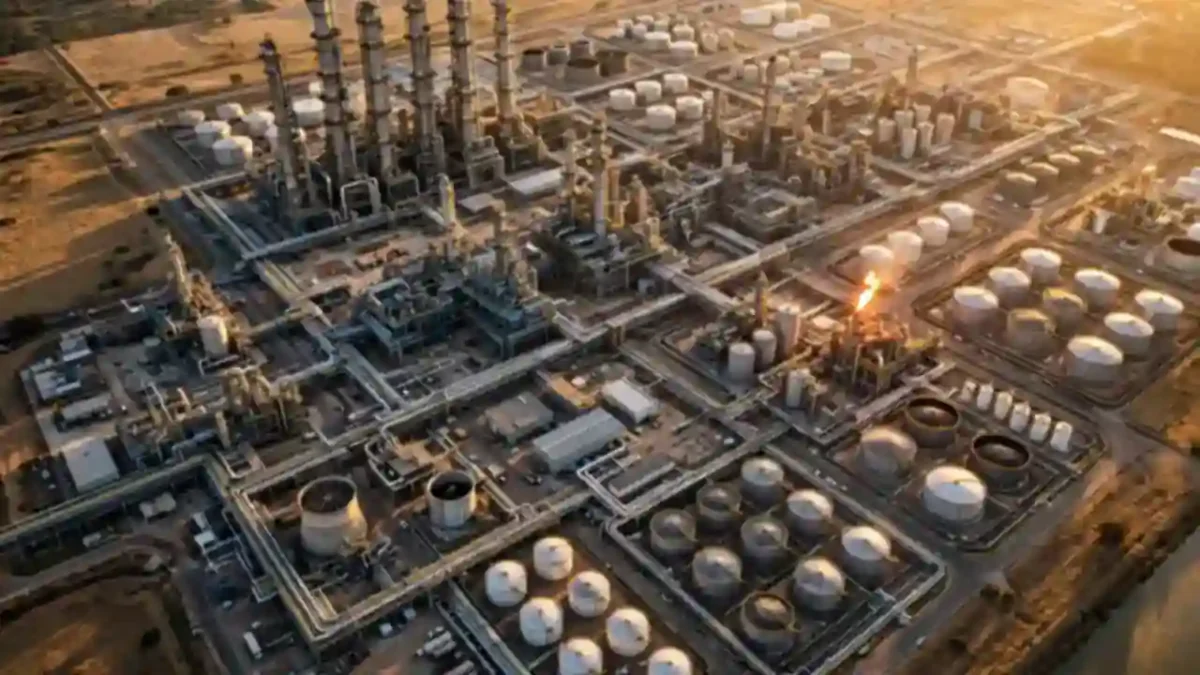
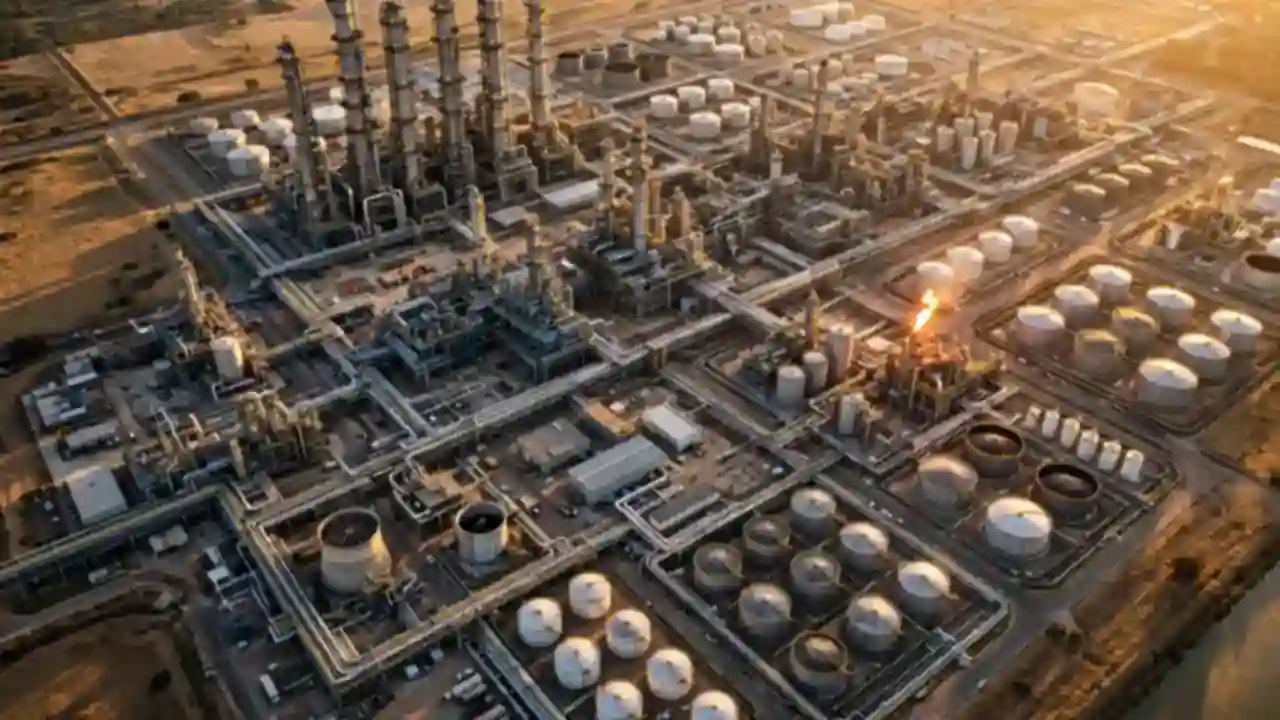
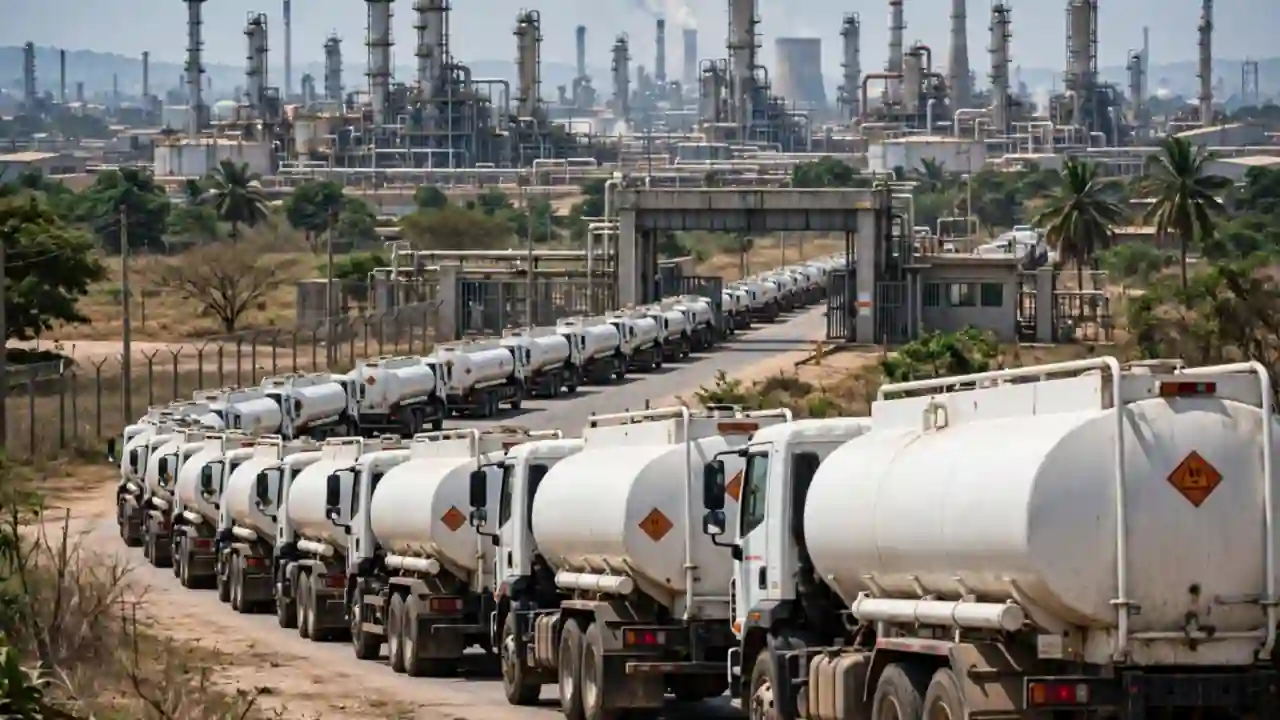
Let me give you the scale first, because it matters. The Dangote refinery is Africa’s largest — operating at full tilt of 700,000 barrels per day, according to Reuters. For decades, Nigeria — Africa’s largest oil producer and an OPEC member — exported crude and imported refined petrol, a national embarrassment that bled foreign exchange and fed subsidy corruption. The refinery was supposed to end that story in one stroke.
And to be fair, it has changed the game. The refinery has emerged as a major supplier of locally refined petrol, cutting the country’s dependence on imported fuel. In July, the NMDPRA’s factsheet showed it producing 25.9 million litres of petrol per day, with nearly all of it going to the local market and only 3.4 million litres exported. That’s real, physical fuel that Nigeria didn’t have to buy from abroad.
But here’s the thing nobody put on the billboard: a refinery is not a force field. It refines crude. It doesn’t set the price of crude. And crude is priced in dollars, on a global market that in 2026 has been anything but calm.
₦1,350 a litre: the price timeline nobody warned you about
I want to walk you through 2026’s price moves, because the whiplash is the story.
On September 12, 2026, Dangote raised its petrol gantry price — the wholesale loading-bay price — by 6.7 per cent to ₦1,350 per litre, up from ₦1,265. The coastal price jumped 6.8 per cent to ₦1,783,530. Customers with existing loading arrangements were told to return their Automated Truck Certificates for repricing, as reported at the time.
Then diesel went on its own rollercoaster. On October 7, the refinery cut its diesel gantry price by ₦80 to ₦1,700 per litre — a 4.5 per cent drop — citing declining international crude prices and lower import-parity costs, per Authority Voice. The Major Energies Marketers Association data backed it up: estimated spot landing cost of diesel had fallen to ₦1,696.40 per litre on October 2.
Three days later, on October 10, the refinery raised diesel right back up — ₦100 to ₦1,800 per litre, a 5.88 per cent rise, communicated in a notice from Group Commercial Operations. Cut, then hike, within 72 hours. If you run a transport business in Nigeria, try planning your week around that.

At the pump, the cumulative effect is stark. Reuters’ checks showed petrol at about ₦1,400 ($1.05) a litre in Lagos and Abuja in September — up from roughly ₦1,200 a month earlier — with some northern stations at ₦1,500. Diesel was selling above ₦2,000 a litre at retail. “Fuel costs are eating into our earnings,” Abuja truck driver Caleb Ojobo told Reuters. “After buying fuel, there is very little left for our families.” Meanwhile investors hedging exactly this kind of energy volatility have been piling into gold. And with a general election set for January 16, 2027, fuel prices have become the central test of President Tinubu’s economic record.
The day Dangote started pricing petrol in dollars
This is the part of the story I find most revealing — and most people missed it.
On July 13, 2026, the refinery switched local fuel sales to US dollar pricing: petrol at $0.779 per litre ex-depot, diesel at $1.087, aviation fuel at $0.942, Reuters reported. All previously issued naira invoices were declared invalid. The refinery said it had been absorbing a currency mismatch — selling products in naira while sourcing crude in dollars — and limited crude supply under the government’s naira-for-crude programme had made the arrangement unviable.
That naira-for-crude programme, launched in October 2024, was itself a clever idea: let domestic refiners buy crude in local currency and take pressure off the foreign exchange market. But it withered. Although NNPC increased Dangote’s allocation to seven cargoes in May from about five previously, the refiner says it needs 13 to 15 cargoes a month — and has been forced to import the remainder at international prices.
Think about what that means. Nigeria’s giant refinery, built to free the country from import dependence, is importing crude because it can’t get enough Nigerian oil. Edwin Devakumar, the Dangote Group’s vice president, put it plainly: the mismatch between dollar-priced crude and naira-priced products couldn’t be absorbed forever. It’s the same strong-dollar dynamic pressuring emerging markets everywhere — US rate-hike expectations have been building all autumn. The dollar-pricing decision makes domestic fuel prices more sensitive to exchange-rate swings — exactly the exposure the refinery was supposed to reduce.
The July warning: when even Dangote’s supply dipped
There’s another layer here that deserves your attention, because it shows how fragile the whole system still is.
In July 2026, the NMDPRA factsheet revealed that Dangote recorded its lowest domestic petrol supply of the year: 25.9 million litres per day. Imports rose 9 per cent to 19.7 million litres per day to cover the gap — and even so, total supply fell to 45.5 million litres per day from 50.6 million in June. Consumption weakened too, dropping to 35.7 million litres per day from 47.4 million, Legit reported. High prices were destroying demand in real time.
And here’s the kicker: all three NNPC-owned refineries were shut throughout July and produced nothing. Dangote was the only major active large-scale domestic refinery in the country. One plant, carrying an entire nation’s fuel supply, in a month when it hit its lowest output of the year.
That same month, the refinery raised its petrol gantry price by ₦20 to ₦1,185 — still ₦15 below what Lagos depots were charging, preserving a modest cost advantage. The refinery is consistently cheaper than the import-parity alternative; the October diesel cut brought it right in line with the ₦1,696 import landing cost. The problem isn’t that Dangote is expensive. The problem is that cheap-by-comparison still means record prices when Brent crude is above $100 a barrel and Middle East tensions keep markets on edge — a dynamic we’ve tracked in our oil markets coverage.
What it means for the rest of Africa
Now zoom out. Nigeria’s fuel story doesn’t stay in Nigeria — and this is where the refinery’s regional significance gets genuinely exciting, even amid the domestic pain.
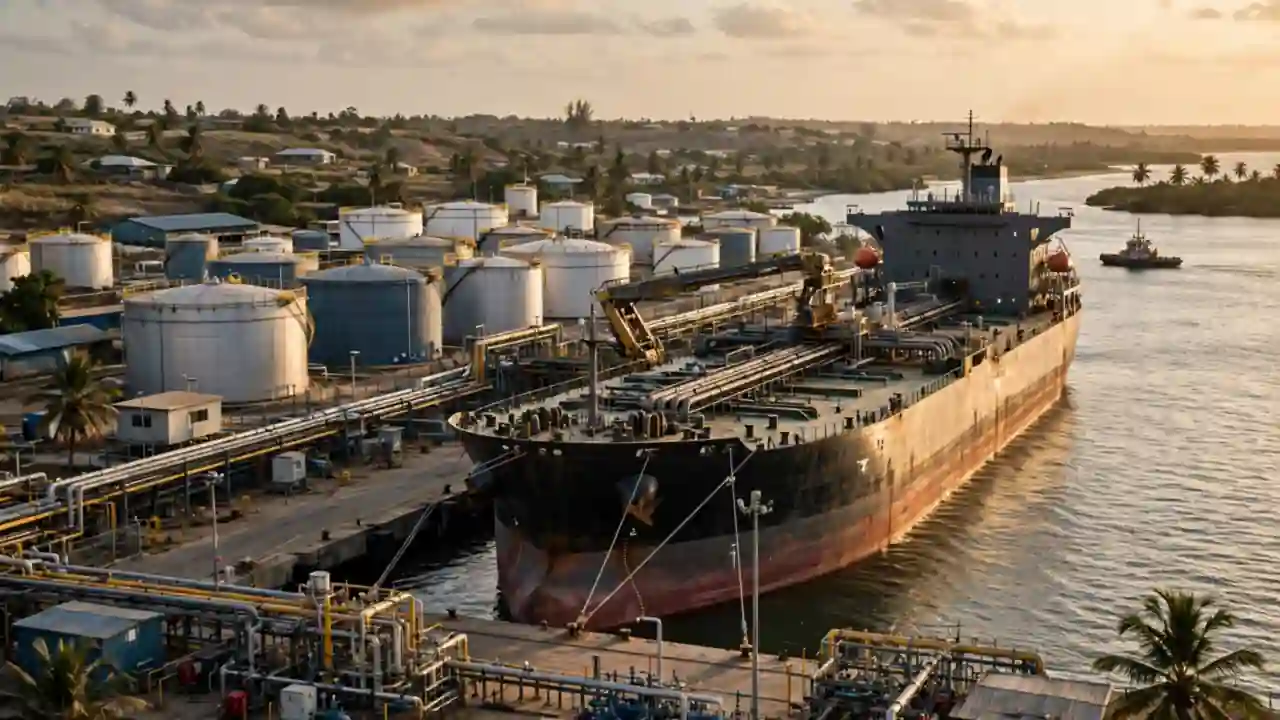
The refinery is already exporting: 3.4 million litres of petrol per day left the country in July, and the coastal pricing structure ($1,044.62 per metric tonne for petrol) is built for regional trade. For West African neighbours that import refined products from Europe and the Middle East, a reliable nearby mega-refinery could eventually mean shorter supply chains and more competitive pricing. That’s the long-term promise, and it’s real.
But there’s a catch, and it’s the same catch Nigeria faces: Dangote’s prices track global crude. The refinery doesn’t subsidise anyone. When Brent spikes on geopolitical shocks or refinery disruptions elsewhere, Dangote’s gantry price moves too — as the September and October adjustments proved. Regional buyers get reliability and proximity, not insulation from the world market.
And there’s a deeper lesson for the continent. Africa’s fuel-importing nations watched Nigeria build the biggest refinery on the continent and still end up with record pump prices. The takeaway isn’t that refining was a mistake — it’s that refining capacity without crude supply security and currency stability only solves half the problem. Any African country dreaming of its own Dangote should read that sentence twice.
What this means for you
If you’re Nigerian: the honest truth is that domestic refining has made fuel cheaper than it would otherwise be — the refinery consistently undercuts import parity — but it cannot shield you from $100+ crude. It’s a pattern familiar across emerging markets: US consumers are feeling gasoline pain too. With elections in January 2027, expect fuel prices to dominate the political debate. President Tinubu has said there’s no going back to subsidies; the opposition disagrees. Your fuel bill is now an election issue.
If you run a business on diesel: the October whiplash — cut on the 7th, hike on the 10th — tells you to watch Petroleumprice.ng depot data and the refinery’s customer notices, not just the headlines. Depot prices varied enormously in October, from ₦1,720 at Dangote’s own depot to ₦2,000 at Matrix. Where you buy matters as much as when.
If you’re elsewhere in Africa: watch Dangote’s export volumes. As the refinery stabilises, its coastal prices will set a new regional benchmark — and for import-dependent neighbours, a West African mega-refinery is still better news than another European cargo.
Frequently asked questions
How big is the Dangote refinery?
It’s Africa’s largest, with a nameplate capacity of 650,000 barrels per day — Reuters reports it operating at full tilt of 700,000 bpd. It’s the largest single-train refinery complex in the world, built by Aliko Dangote’s group near Lagos.
Why are fuel prices in Nigeria at record highs if the refinery is running?
Because the refinery refines crude — it doesn’t control crude prices. Brent has traded above $100 a barrel on Middle East tensions, Nigeria’s downstream market is deregulated, and in July 2026 the refinery switched local sales to dollar pricing. Domestic refining makes fuel cheaper than imports, but it can’t insulate consumers from the global market.
What is the current petrol price in Nigeria?
As of September–October 2026, Dangote’s gantry (wholesale) price is ₦1,350 per litre, with retail around ₦1,400 in Lagos and Abuja and up to ₦1,500 in the north. Prices move frequently — check current depot data before treating any figure as final.
Why did Dangote start pricing fuel in dollars?
The naira-for-crude programme — which let the refinery buy crude in local currency — effectively withered. NNPC supplies only about 7 cargoes a month against the refinery’s need for 13–15, forcing dollar-priced crude imports. Selling in naira while buying crude in dollars created an unsustainable currency mismatch, the company said.
Does the Dangote refinery export fuel to other African countries?
Yes. In July 2026 it exported 3.4 million litres of petrol per day, alongside 25.9 million litres for the domestic market. Its coastal pricing structure is designed for regional trade, which could eventually give West African neighbours a closer source of refined products.
Will fuel prices fall before Nigeria’s 2027 election?
Honestly, nobody knows — it depends on Brent crude, the naira, and Middle East tensions, all of which we’ve seen move fast in 2026. What I can tell you: fuel is now the central economic test of the Tinubu government ahead of the January 16, 2027 vote, and both sides know it.
Final thoughts
I started researching this article expecting a simple story — giant refinery opens, fuel gets cheap, everyone wins. The real story is more interesting and more honest. The Dangote refinery is a genuine industrial achievement: 700,000 barrels a day, import dependence broken, exports flowing. It just can’t do the one thing people wanted most — make fuel cheap regardless of what the world does.
And maybe that’s the lesson worth keeping. Infrastructure is necessary, but it isn’t magic. A refinery without secure crude supply and a stable currency is a Ferrari with an empty tank. Nigeria built the car. Now it has to solve the fuel.
Congratulations on making it to the end — you now understand Nigeria’s fuel market better than most commentators shouting about it. What do you think: was the refinery worth it, or did Nigeria bet on the wrong fix? Tell me in the comments.
Published: 23 October 2026 · Updated: 23 October 2026
React to this story