Key Points
Key Points
- DASH stands for Dietary Approaches to Stop Hypertension and is a flexible eating pattern, not a branded product or cleanse.
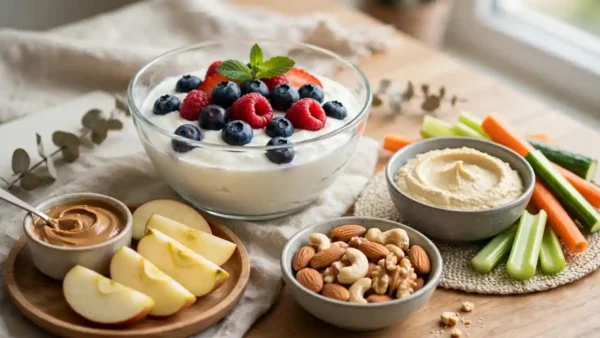
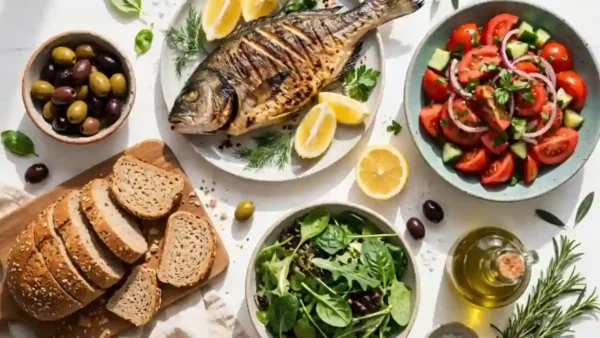
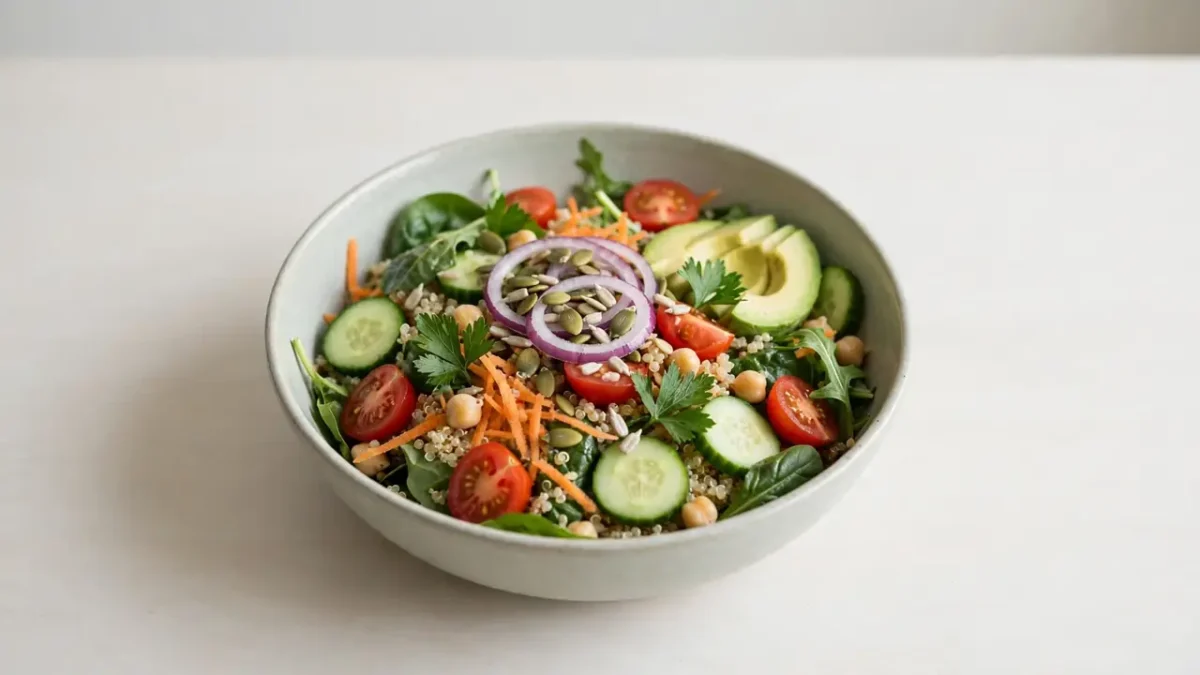
- Build meals around vegetables, fruit, whole grains, beans, nuts, fish, poultry and low-fat dairy.
- Go easy on saturated fat, sugar-sweetened drinks, sweets and cured or processed meats.
- Standard sodium target is 2,300 mg per day; a lower-sodium version uses 1,500 mg per day, chosen with a clinician.
- For a 2,000-calorie day, NHLBI examples are 6-8 grains, 4-5 vegetables, 4-5 fruit, 2-3 low-fat dairy, 2-3 fats and oils, and 6 or fewer meat, poultry and fish servings.
- Start with one meal and one habit: fix dinner first, add a vegetable, swap a sugary drink for water, and compare sodium labels.
On This Page
- Subscribe to CAAW News
- What Is the DASH Diet, in Plain Words?
- What to Eat More Of
- What to Go Easy On
- The Sodium Targets, in Plain Numbers
- How Many Servings? A Simple Starting Reference
- A Simple Day of DASH Eating
- Shopping and Cooking the DASH Way
- Who Should Ask a Clinician First?
- Your Beginner Start Plan for the First Two Weeks
- Common Beginner Mistakes, and How to Avoid Them
- Frequently Asked Questions
- What does DASH stand for?
- Is DASH a weight-loss diet?
- How much sodium should I eat on DASH?
- Can I ever eat pizza, takeaways, or sweets on DASH?
- Do I need special foods or supplements for DASH?
- How quickly does DASH lower blood pressure?
- Is DASH suitable for vegetarians?
- What should I do first if I want to start DASH this week?
- Final Thoughts
- React to this story
I sat in my doctor’s office and heard a word I did not expect to hear about food. Not a drug name. Not a warning. Just four letters: DASH. My blood pressure had been creeping up, and my doctor suggested I look at how I eat before we talked about anything stronger. I went home, searched for the DASH diet, and found a wall of conflicting advice, complicated charts, and meal plans that looked like they belonged to someone else’s life. So I did the slow, honest work myself, and this guide is what I wish someone had handed me that day.
Here is my promise. By the end of this guide you will understand what the DASH diet actually is, what to eat more of and less of, how much sodium matters, and how to start this week without overhauling your whole kitchen. This guide is for you if you are a beginner, if your doctor has mentioned blood pressure or heart health, and if you want a food plan built on ordinary groceries rather than special products.
Trust nudge: I am not a doctor or a dietitian, and this guide is general information, not a personal prescription. The DASH eating plan comes from research funded by the United States National Heart, Lung, and Blood Institute, and I base this guide on its published guidance. If you have kidney disease, heart failure, diabetes, a potassium restriction, or medicines that affect potassium, ask your clinician or dietitian before making a big change.
In this guide, you will learn: what DASH stands for and how it was tested; the foods to build around and the foods to go easy on; the sodium targets in plain numbers; a simple day of DASH eating; and a beginner start plan for your first two weeks.
What Is the DASH Diet, in Plain Words?
I like to start with the name, because the name tells the story. DASH stands for Dietary Approaches to Stop Hypertension, and hypertension is the medical word for high blood pressure. The plan was developed from research funded by the National Heart, Lung, and Blood Institute in the 1990s. Researchers fed people a diet rich in fruit, vegetables, and low-fat dairy, and watched their blood pressure fall. Later trials showed that cutting sodium on top of that diet lowered blood pressure further still.
Here is the part that surprised me most. DASH is not a branded product, a cleanse, or a kit you buy. The National Heart, Lung, and Blood Institute describes it as a flexible and balanced eating plan that helps create a heart-healthy eating style for life. It requires no special foods. Instead, it gives daily and weekly nutritional goals, and you fill those goals with foods you already know.
Think of DASH as a pattern, not a punishment. You eat more of the foods that bring potassium, calcium, magnesium, fibre, and protein, and less of the foods that bring excess sodium, saturated fat, and added sugar. That pattern, repeated across ordinary meals, is what lowers blood pressure and LDL cholesterol in the studies behind it. No single meal does the work. The pattern does.
What to Eat More Of
I started my DASH journey by adding foods before I removed anything, and I recommend you do the same. Adding first feels generous rather than restrictive, and it works, because DASH is mostly about what you eat more of.
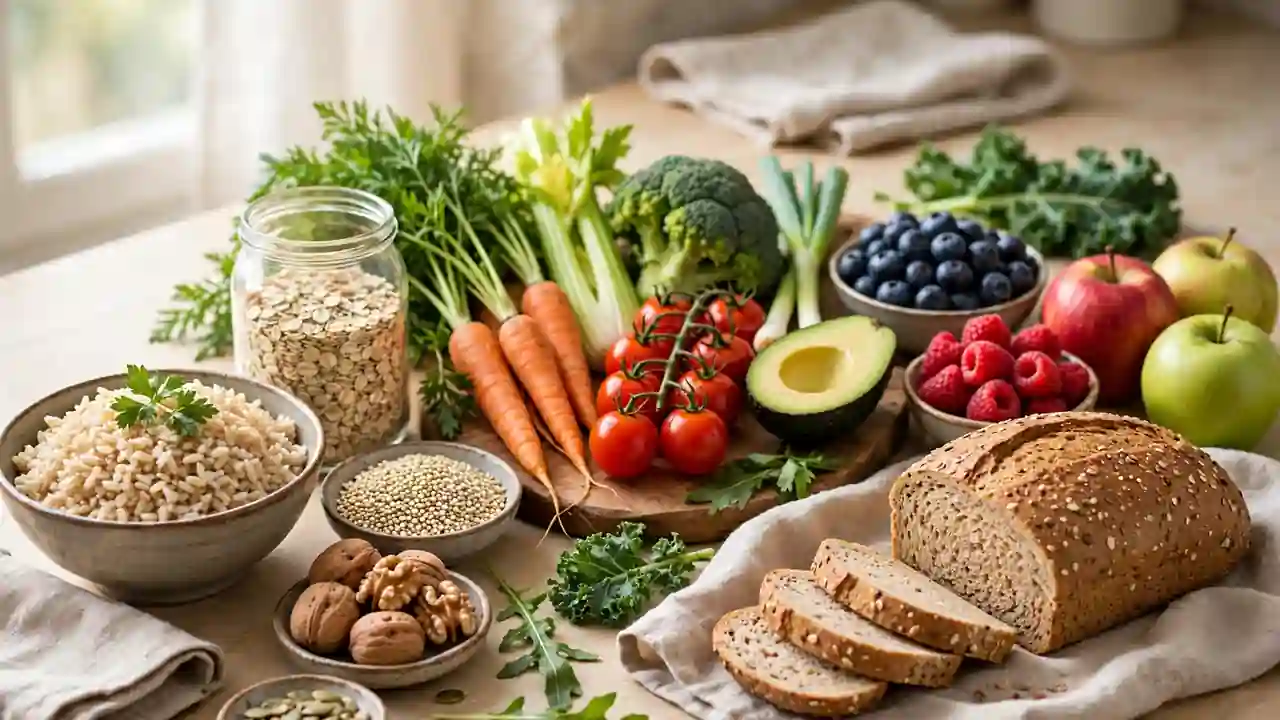
Eat more vegetables, fruits, and whole grains. Leafy greens, tomatoes, carrots, sweet potatoes, bananas, oranges, and berries are all strong DASH foods, and they bring the potassium, magnesium, and fibre the plan is built on. Oats, brown rice, and wholemeal bread cover the whole-grain side. You do not need exotic produce. Ordinary vegetables and fruit, fresh or frozen, count.
Eat more fat-free or low-fat dairy products, fish, poultry, beans, and nuts. Skimmed or semi-skimmed milk, plain yogurt, and low-fat cheese give you calcium without the saturated fat of full-fat dairy. Fish and skinless chicken give you lean protein. Beans and lentils give you protein and fibre together, which is a combination that keeps you full. Unsalted nuts give you healthy fats, but watch the portion, because nuts are energy-dense and the salted kind defeats the purpose.
Use vegetable oils rather than tropical oils such as coconut, palm kernel, and palm oils, which are high in saturated fat. This is a small swap with a real effect, because cooking oil touches almost every meal you make. Olive oil, rapeseed oil, and other ordinary vegetable oils fit the DASH pattern well.
What to Go Easy On
I will be honest with you. This section was harder for me than the adding section, because the foods to limit were foods I loved. But DASH does not ban them. It asks you to make them occasional rather than everyday, and that distinction matters.
Limit foods high in saturated fat, such as fatty meats, full-fat dairy products, and tropical oils. Limit sugar-sweetened beverages and sweets. A fizzy drink every day adds sugar without nutrition, and it crowds out water and better choices. Sweets are not forbidden on DASH, but the guidance for a two-thousand-calorie day allows five or fewer servings of sweets per week, which tells you how occasional they are meant to be.
Limit cured and processed meats such as ham, bacon, and sausages. These foods are doubly unhelpful for DASH, because they are high in both saturated fat and sodium. You do not have to give them up forever to follow DASH, but making them a rare treat rather than a daily staple moves your pattern in the right direction.
Above all, watch sodium, because most of it does not come from your salt shaker. It is already in bread, cheese, cured meat, soup, sauces, ready meals, and takeaways. One teaspoon of salt holds about two thousand three hundred milligrams of sodium, which is your whole day’s standard limit. Once I learned that, I started reading labels, and I have never looked at a tin of soup the same way again.
The Sodium Targets, in Plain Numbers
Sodium is the part of DASH people find most confusing, so let me make it simple. The standard DASH sodium target is two thousand three hundred milligrams per day. A lower-sodium version of DASH uses one thousand five hundred milligrams per day, and the National Heart, Lung, and Blood Institute notes that one thousand five hundred milligrams lowers blood pressure even further than two thousand three hundred.
Which target suits you is a question for your clinician, not for this guide. I started with the standard target, because it was already a big change from how I had been eating, and I treated the lower target as something to discuss with my doctor later. Do not chase the lower number on your own if you have a condition or medicine that affects sodium or potassium.
On labels in the United Kingdom you will see salt rather than sodium. Multiply sodium by two and a half to get salt, so two thousand three hundred milligrams of sodium is about five and three-quarter grams of salt. On labels elsewhere, look for sodium directly. Either way, compare similar products, because sodium varies wildly between brands of the same food. Broth, soup, canned beans, tortillas, marinara sauce, salad dressing, and frozen meals can differ by hundreds of milligrams per serving.
How Many Servings? A Simple Starting Reference
I avoided serving charts for weeks because they looked like homework. Then I realised they are simply a way to check whether your day is roughly balanced, not a test you pass or fail. The National Heart, Lung, and Blood Institute gives serving examples for a two-thousand-calorie day, and I use them as a starting reference, not a personal prescription. Your calorie needs may differ, and your clinician or dietitian can help you adjust.
For a two-thousand-calorie day, the DASH examples are: grains, six to eight servings; vegetables, four to five; fruit, four to five; low-fat or fat-free dairy, two to three; fats and oils, two to three; meats, poultry, and fish, six or fewer; sodium, two thousand three hundred milligrams. Weekly, add nuts, seeds, dry beans, and peas, four to five servings, and sweets, five or fewer.
What counts as a serving is simpler than it sounds. A slice of bread, half a cup of cooked rice, a small piece of fruit, half a cup of cooked vegetables, and a cup of milk are all roughly one serving in their groups. You do not need to weigh everything. Eat a vegetable or fruit at most meals, a whole grain at most meals, and a protein food at most meals, and you are already close to the pattern.
Do not try to hit every number perfectly in week one. I did not, and trying made me miserable. Pick one group to improve first, such as vegetables, and let the rest follow over the following weeks. DASH is a style of eating for life, not a score for a single day.
A Simple Day of DASH Eating
I learn best from examples, so here is a day that follows the pattern using ordinary food. Breakfast: oats made with skimmed or semi-skimmed milk, topped with a banana and a handful of berries. That gives you a whole grain, fruit, and low-fat dairy before you have even left the house.
Lunch: a wholemeal sandwich with skinless chicken, lettuce, tomato, and cucumber, plus a piece of fruit. If you use bread, check the label, because bread is a surprising source of sodium, and brands differ. Add a small pot of plain yogurt if you are still hungry.
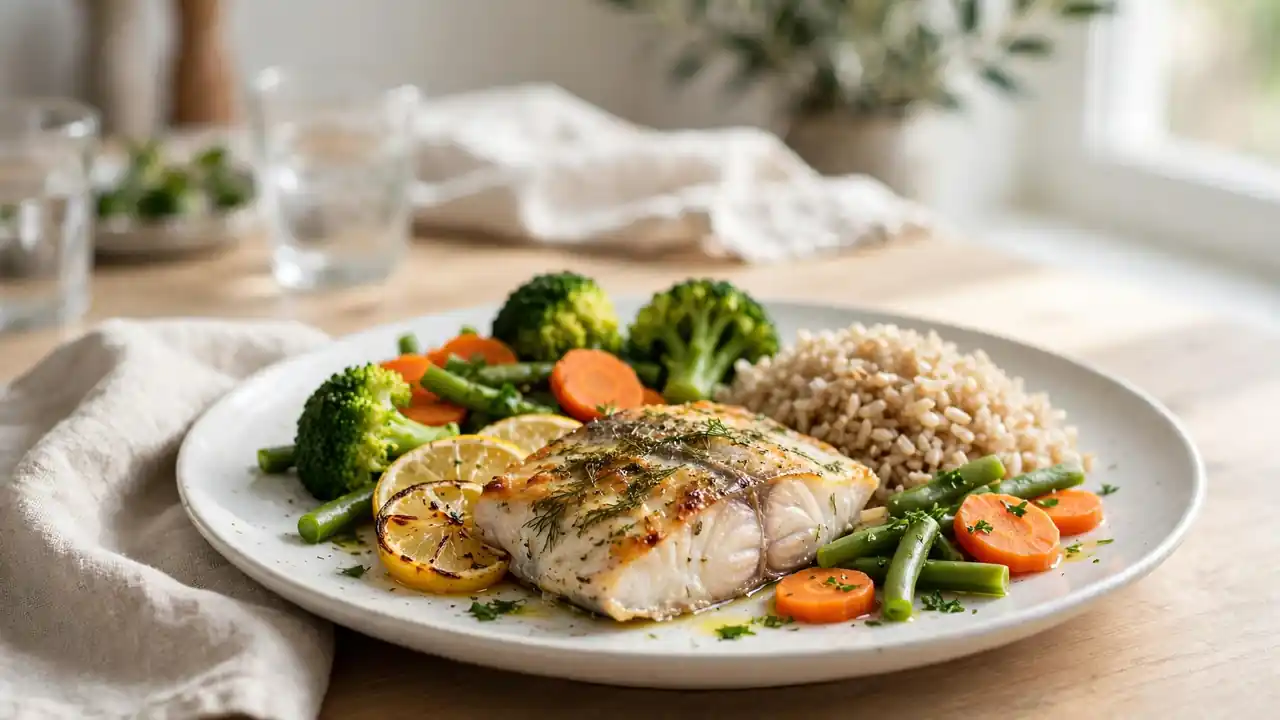
Dinner: baked fish or chicken with brown rice, steamed broccoli and carrots, and a drizzle of olive oil. If you eat meat, keep the portion moderate, about the size of your palm, and let the vegetables and grains fill the rest of the plate. That plate, with its colours and proportions, is DASH in action.
Snacks: a small handful of unsalted nuts, a piece of fruit, or plain yogurt with berries. If you snack on crisps or salted nuts today, do not treat the day as ruined. Notice it, enjoy it if you choose it, and return to the pattern at the next meal. One snack never defines a diet. The pattern across weeks does.
Shopping and Cooking the DASH Way
I changed my shopping before I changed my cooking, and it made cooking easier. I started buying fresh, plain, or frozen vegetables instead of vegetables in sauce. I bought fresh poultry, fish, and lean meat rather than canned, smoked, or processed types. I bought reduced-salt or no-salt-added products where they tasted good, and I rinsed canned beans to wash away some of their sodium.
Flavour without salt became my favourite kitchen project. Herbs, garlic, lemon juice, vinegar, chilli, and black pepper add flavour without sodium, and they make simple food taste like food you actually want to eat. I cook with less salt than I used to, and I add salt at the table only if a dish truly needs it, which is rarer than I expected.
Eating out needs a plan, not perfection. Ask for sauces and dressings on the side. Choose grilled over fried. Ask for vegetables instead of chips when you can. Restaurant food is often high in sodium, so a restaurant meal is a good day to be generous with vegetables and modest with bread, cheese, and cured meats. You are not trying to be perfect at a restaurant. You are trying to keep the pattern roughly on track.
Who Should Ask a Clinician First?
I repeat this section because it matters, and because I do not want enthusiasm to replace care. DASH is a mainstream eating pattern, but it still touches sodium, potassium, fibre, medication, and medical conditions. Ask your clinician or registered dietitian before making a big change if you have kidney disease, heart failure, diabetes, a strict sodium limit, a potassium restriction, a history of eating disorders, or medication that affects potassium levels.
That advice is not meant to scare anyone away from DASH. It is the boring, grown-up guardrail that keeps a good food plan from colliding with an existing care plan. If your doctor has already suggested DASH to you, as mine did, this guide is a companion to that conversation, not a replacement for it.

Your Beginner Start Plan for the First Two Weeks
Week one is about one meal and one habit. Pick one meal to fix first, and dinner is usually the easiest win, because restaurant food, sauces, and packaged sides sneak sodium into dinner more than any other meal. Add a vegetable to that meal, swap a sugary drink for water, and compare the sodium labels on two products you buy often. That is enough for week one, and I mean that.
Week two is about breakfast and labels. Choose a repeatable breakfast, such as oats with fruit, yogurt with fruit, eggs with vegetables, or whole-grain toast, and keep it simple every morning. A repeatable breakfast removes one daily decision, and fewer decisions mean fewer chances to drift. Keep comparing labels, especially for soup, bread, cheese, and sauces, and choose the lower-sodium option when it tastes good.
After two weeks, add one more change. Add beans or lentils to two meals a week. Swap a sugary drink for water most days. Try one new vegetable. Small, steady changes are how DASH becomes a style of eating rather than a two-week diet, and a style of eating is what the research behind DASH actually tested.
My honest take: DASH did not change my life in a week, and it will not change yours in a week either. What it did was give my everyday meals a clear, kind direction: more plants, more whole grains, more low-fat dairy and lean protein, less salt and less sugar. That direction, followed most days, is worth more than any perfect week.
Common Beginner Mistakes, and How to Avoid Them
The first mistake I made was trying to be perfect from day one. I counted every serving, stressed over every label, and quit for a week out of frustration. Perfection is not the DASH plan. The pattern is the plan, and the pattern tolerates an imperfect day.
The second mistake was cutting salt but keeping everything else the same. DASH works as a combination, with more potassium, calcium, magnesium, and fibre alongside less sodium. If you only remove salt and keep eating few vegetables and little whole grain, you miss half the benefit. Add before you subtract, and let the additions do much of the work.
The third mistake was buying special DASH products. You do not need them. DASH requires no special foods, no branded kit, and no app. Ordinary groceries, chosen with a little more care, are the whole plan. Anyone selling you a DASH-branded product is selling you something the plan itself says you do not need.
Frequently Asked Questions
What does DASH stand for?
DASH stands for Dietary Approaches to Stop Hypertension. Hypertension is the medical term for high blood pressure, and the plan was developed from research on eating patterns that lower blood pressure.
Is DASH a weight-loss diet?
DASH was designed for blood pressure and heart health, not specifically for weight loss, though some people lose weight when they replace sugary drinks, fatty meats, and large portions with vegetables, whole grains, and lean protein. If weight loss is your goal, discuss a calorie plan with your clinician or dietitian.
How much sodium should I eat on DASH?
The standard DASH target is two thousand three hundred milligrams of sodium per day, and a lower-sodium version uses one thousand five hundred milligrams per day. Which target suits you depends on your health and medicines, so discuss it with your clinician rather than choosing alone.
Can I ever eat pizza, takeaways, or sweets on DASH?
Yes, as occasional foods rather than everyday staples. DASH is a pattern, not a ban. Sweets are allowed at five or fewer servings per week in the two-thousand-calorie example, and restaurant meals are best handled by choosing grilled options, vegetables, and sauces on the side.
Do I need special foods or supplements for DASH?
No. DASH requires no special foods, and its nutrients come from ordinary foods such as vegetables, fruit, whole grains, beans, nuts, fish, poultry, and low-fat dairy. Ask your clinician before starting any supplement, especially potassium supplements.
How quickly does DASH lower blood pressure?
Published guidance notes that DASH can lower blood pressure in as little as two weeks for some people, though results vary with starting blood pressure, sodium intake, medicines, and how closely the pattern is followed. Keep taking prescribed medicines unless your doctor tells you otherwise.
Is DASH suitable for vegetarians?
Yes, with care. Beans, lentils, nuts, seeds, whole grains, vegetables, fruit, and low-fat dairy fit DASH well, and vegetarians often find the pattern natural. A dietitian can help you cover protein, calcium, and iron if you eat no animal products at all.
What should I do first if I want to start DASH this week?
Pick one meal to fix first, usually dinner, add a vegetable to it, swap a sugary drink for water, and compare sodium labels on two products you buy often. That small start is more useful than a perfect plan you never begin.
Final Thoughts
I started DASH because a doctor suggested it, and I stayed with it because it made sense in my kitchen, not just in a study. My meals got more colourful. My shopping got simpler. My blood pressure became something I worked on with food, not just something I worried about. That shift, from worry to action, is the part I most want to pass on to you.
Start this week, with one meal and one label. Add before you subtract. Talk to your clinician if you have a condition that affects the plan. And remember that DASH is not a test you pass in a day. It is a way of eating you build, meal by meal, until it feels like your own. I am cheering for you, and I would love to hear in the comments which meal you plan to fix first.
Sources: DASH guidance, serving examples, and sodium targets are drawn from the National Heart, Lung, and Blood Institute’s DASH Eating Plan and from an explanation of what the DASH diet is. This article is general information only and is not medical advice.
React to this story