Key Points
Key Points
- Morning stiffness is normal after hours in one position
- A gentle ten-minute routine covers neck, spine, hips and legs
- Hold each stretch for about 30 seconds, never bounce or push into pain
- Consistency over weeks matters more than one perfect session
- Anchor stretching to breakfast so the habit actually sticks
On This Page
- What You Will Learn
- Why Your Body Feels Stiff First Thing in the Morning
- Subscribe to CAAW News
- Before You Start: Three Rules I Live By
- The Ten-Minute Routine I Actually Do
- How Long Should You Hold Each Stretch?
- The Mistakes I Made So You Can Skip Them
- How to Make It Stick Past the First Week
- Frequently Asked Questions
- Is it better to stretch in the morning or at night?
- How long should a morning stretching routine take?
- Should stretching hurt?
- Can stretching prevent injuries?
- Do I need equipment?
- What if I am very inflexible?
- Final Thoughts
- React to this story
I used to wake up feeling like I had slept in a cardboard box. My neck was stiff, my lower back complained before my feet even touched the floor, and the first ten steps to the kitchen felt like a negotiation. I am not an athlete, and I never wanted a complicated fitness programme, but I did want my mornings to stop hurting. That is why I built myself a simple morning stretching routine, and it is the reason I am writing this guide for you today. If you wake up stiff, sit for most of the day, or feel older than you are before breakfast, this is for you, and by the end of this article you will have a gentle ten-minute routine you can start tomorrow without any equipment.
I have tried the rushed, bouncy, painful version of stretching, and it made things worse. This routine is the slower, kinder version that actually stuck, and I will be honest about what stretching can and cannot do.
What You Will Learn
- Why your body feels stiff first thing in the morning
- A gentle ten-minute routine you can do in your living room
- How long to hold each stretch without forcing it
- The mistakes I made so you can skip them
- How to turn stretching into a habit that lasts past January
Why Your Body Feels Stiff First Thing in the Morning
I used to assume morning stiffness meant something was wrong with me. Then I learned that it is mostly ordinary. We spend hours in one position overnight, our joints and muscles barely move, and then we expect them to work perfectly the moment the alarm goes off. That first shuffle to the bathroom is not a character flaw, it is a body that has not warmed up yet.
What helped me most was changing my expectation. Stretching in the morning is not about becoming flexible in a week or touching my toes by Friday. It is about easing that stiffness, reminding my joints how they move, and starting the day with a few calm minutes instead of rushing straight into a chair. Research summaries I read while preparing this guide put it well: stretching reliably improves joint range of motion, but it is not a cure for injury or a detox, and honest expectations are what keep a routine alive.
I also learned that early gains often come from my nervous system relaxing and allowing more movement, not from my muscles physically lengthening overnight. That explained why I felt looser after a week even though nothing dramatic had changed. My body was learning that movement in the morning was safe.
Before You Start: Three Rules I Live By
I made every beginner mistake first, so let me save you the trouble. First, never bounce. I used to jerk into stretches like I was trying to win something, and all I won was soreness. Slow, steady holds are the whole point. Second, mild tension is enough. If you feel sharp pain, you have gone too far, and you should ease back immediately. Third, breathe normally. I used to hold my breath without realising it, which made everything tighter, so now I deliberately breathe out as I settle into each stretch.
Guides aimed at beginners echo the same advice, including holding a stretch for about 30 seconds, avoiding bouncing, and stopping if it hurts, as described in this gentle ten-minute routine for beginners. I keep those three rules on a mental sticky note, and they have kept me consistent for far longer than any ambitious plan ever did.
The Ten-Minute Routine I Actually Do
I do this routine in my living room, in whatever I slept in plus a warm layer, on a rug or a mat. I do not time it with a stopwatch. I count slow breaths instead, which keeps me calm and stops me rushing. Here is the order that works for me, from top to bottom.
Start with your neck and shoulders. I sit tall, drop one ear gently towards one shoulder, and hold it while I breathe out slowly. Then I switch sides. After that I roll my shoulders backwards in slow circles, five times, then forwards five times. My neck used to crack and complain every morning, and this quiet start is the part I would never skip now.

Next comes my spine. I stand with my feet hip-width apart, reach my arms overhead, and lengthen tall like I am trying to reach a high shelf. Then I fold forwards gently, knees soft, arms hanging, and let my head hang heavy for a few breaths. I roll up slowly, one vertebra at a time, or at least as slowly as I can manage before the kettle calls me. This is the moment my back usually sighs with relief.
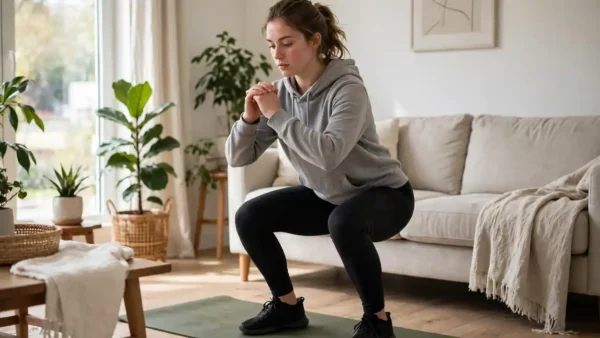
Then I work on my hips, because sitting all day makes mine tight and grumpy. I step one foot forwards into a gentle lunge, keeping my chest tall, and feel a stretch at the front of the back hip. I hold it, breathe, and switch sides. On days when my hips feel extra stubborn, I sit on the floor and do a simple figure-four stretch, crossing one ankle over the opposite knee and easing forwards only as far as comfort allows.
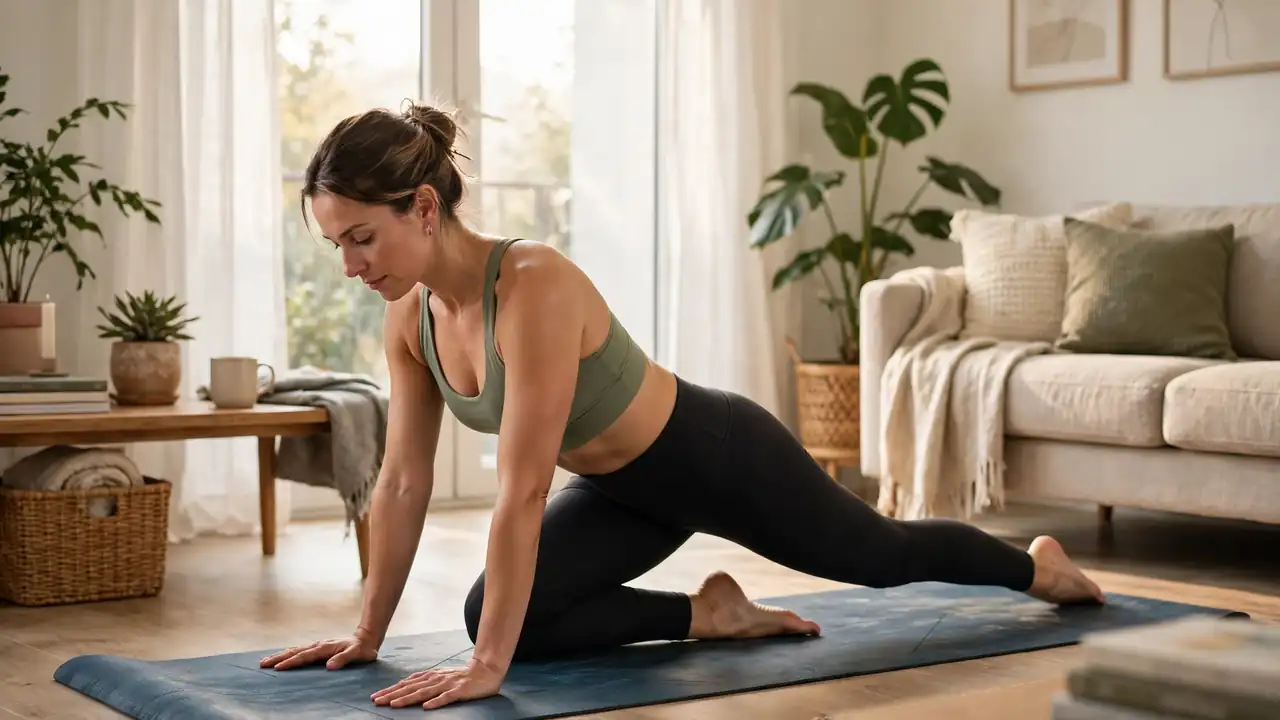
After that I stretch my legs. I stand near a wall for balance, bend one knee behind me, and hold my foot to stretch the front of my thigh, keeping my knees close together. Then I step forwards and gently stretch my calves against the wall, one leg at a time. I finish with a wide, easy hamstring stretch, one heel forwards and toes up, leaning back slightly from the hips rather than rounding my back like a frightened cat, which was my old technique and did nobody any favours.
I finish standing tall. Arms overhead again, a big breath in, a long breath out, and a slow twist to each side with my arms relaxed. It sounds too simple to matter, but this closing moment is what turns ten minutes of movement into a proper start to the day. I walk to the kitchen feeling like my body belongs to me again.

How Long Should You Hold Each Stretch?
I aim for roughly 30 seconds per stretch, or about five slow breaths, and I do each side separately. That matches the widely repeated guidance from health sources, and it is long enough to feel a change without turning the morning into a chore. Some days I hold a little longer if a spot feels particularly tight, and some days I shorten everything to five minutes because life happens. A short routine done honestly beats a perfect routine skipped entirely.
What matters more than the exact seconds is consistency. I noticed real change after a few weeks, not after one heroic session, which fits what Harvard Health reporting on stretching suggests about flexibility improving over weeks of regular practice. I tell readers the same thing I tell myself: give it three weeks before you judge it.
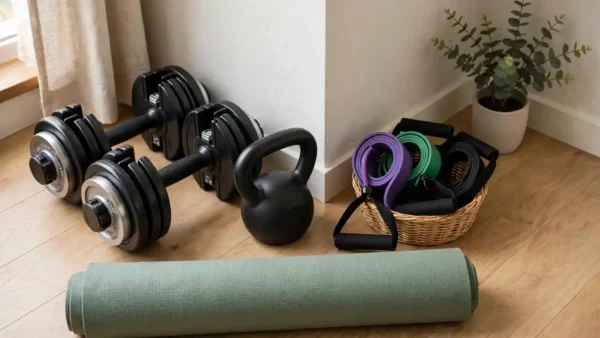
If you already train, this routine pairs well with other home movement. I often follow it later in the day with ideas from our guide to strength training at home, and if you are setting up a corner for exercise, our look at the best home workout equipment will help you avoid buying things you never use.
The Mistakes I Made So You Can Skip Them
My first mistake was treating stretching like a competition. I pushed into pain, compared myself to people online, and felt like a failure when I could not fold in half. Pain is not progress, and flexibility is not a moral quality. The second mistake was doing it only when I already felt good, which meant I skipped it on the stiffest mornings when I needed it most. The third mistake was making it too long. A twenty-minute routine sounded impressive and lasted four days. Ten minutes lasts because it fits before breakfast.
I also learned to respect warning signs. Stretching does not fix persistent pain, numbness, weakness, or an injury, and if any of those are present, a doctor or physiotherapist is the right next step, not a longer hold. I say that as someone who once tried to stretch away a real problem and only delayed getting proper advice. Be kind to yourself, but be honest too.
How to Make It Stick Past the First Week
I anchor my routine to something I already do: I stretch while the kettle boils and my breakfast warms up. No separate alarm, no special clothes, no decision to make. I also keep my mat rolled out in the corner, because a mat in a cupboard is a routine in a cupboard. On busy mornings I do a two-minute version, neck, spine, hips, and I count that as a win, because keeping the habit alive matters more than keeping it perfect.
I also pair stretching with better sleep habits, since how I sleep affects how I wake up. Our guide to the best foods for better sleep helped me rethink late-night snacks, and I genuinely wake up less stiff when I have slept properly. Small changes stack up, and that is the quiet truth behind most health advice: no single habit transforms you, but a few steady ones change how your days feel.
Try this tomorrow: Set your mat out tonight, and tomorrow morning do just the neck, spine and hip sections, five breaths each. That is under five minutes. Notice how you feel walking to the kitchen, and then decide whether you want the full ten minutes the next day. Start small, stay gentle, and let the habit grow.
Frequently Asked Questions
Is it better to stretch in the morning or at night?
Both can help, and the best time is the one you will actually do. I prefer mornings because it eases overnight stiffness and sets up my day, but evening stretching can help you unwind. If you can only manage one session, pick the time that fits your life and stick with it.
How long should a morning stretching routine take?
Ten minutes is a sweet spot for most people, and five minutes is still worthwhile. The routine in this article takes about ten minutes at a relaxed pace, but you can shorten it by doing fewer repetitions or skipping a section on busy days.
Should stretching hurt?
No. You should feel gentle tension, not sharp or stabbing pain. If a stretch hurts, ease back or skip it. Pain is your body asking you to stop, not challenging you to push harder.
Can stretching prevent injuries?
Stretching alone has not been clearly shown to prevent all injuries, and it does not replace warming up with progressive movement before exercise. Think of morning stretching as maintenance for flexibility and comfort, not as injury insurance.
Do I need equipment?
No. You need floor space and optionally a mat or rug. A wall or chair for balance helps with some standing stretches, but you do not need bands, blocks or special clothing to start.
What if I am very inflexible?
Then this routine is especially for you. Start with smaller movements, bend your knees, and hold for less time if needed. Flexibility improves gradually with regular practice, and being stiff at the start is the reason to begin, not a reason to avoid it.
Final Thoughts
I started stretching because my mornings hurt, and I kept going because my mornings changed. I still wake up stiff sometimes, I still skip days, and I still cannot touch my toes without bending my knees, and none of that matters. What matters is that I move gently before the day moves me, and I feel steadier, calmer and more like myself by breakfast. You deserve that kind of start too, and it only takes ten quiet minutes.
So tonight, put your mat where you can see it, and tomorrow, try the short version before your first coffee. Then come back and tell me in the comments how it felt, what was tightest, and which stretch became your favourite. I read every comment, and I would love to hear how your mornings change.
React to this story