Key Points
Key Points
- Fibre variety matters more than any single gut superfood
- Increase fibre gradually and drink enough water to avoid bloating
- Fermented foods add live cultures; small amounts often work best
- Prebiotics in garlic, onions, oats and cooled rice feed gut bacteria
- Beans and lentils help most when added slowly over weeks
On This Page
- What You Will Learn
- Your Gut Is a Garden, Not a Machine
- Subscribe to CAAW News
- Fibre: The Foundation, Built Slowly
- Fermented Foods: Small Amounts, Often, Varied
- Prebiotics: Food for the Bacteria Already There
- Beans, Lentils and the Bloating Trap
- What to Limit, and a Gentle Seven-Day Plan
- Frequently Asked Questions
- What is the best single food for gut health?
- Do I need probiotic supplements?
- Can I improve gut health without fermented foods?
- Why does more fibre sometimes cause bloating?
- How much fibre do I need each day?
- When should I see a doctor about gut symptoms?
- Final Thoughts
- React to this story
I used to think gut health was a complicated, expensive puzzle, full of powders, tests and rules I could never follow. Then my digestion taught me a humbler lesson: after a week of rushed meals, little fibre and too much processed food, I felt bloated, sluggish and uncomfortable, and after a week of simple, varied, home-cooked food, I felt like myself again. If your stomach feels unpredictable, if you bloat after meals, or if you simply want to know what actually helps your gut without buying a shelf of supplements, this guide is for you. By the end of it you will know the foods that feed your gut microbes, the fermented foods worth trying, and a gentle way to build a gut-friendly week that fits real life.
I am not a doctor, and this is general information, not medical advice. If you have persistent pain, blood in your stool, unexplained weight loss, or symptoms that worry you, please see a doctor before trying any home plan, because some symptoms need proper investigation, not a new recipe.
What You Will Learn
- Why fibre variety matters more than any single superfood
- Which fermented foods are worth adding, and how much to eat
- The prebiotic foods already sitting in your kitchen
- How to add beans and lentils without the bloating trap
- A gentle seven-day plan and the signs to get checked
Your Gut Is a Garden, Not a Machine
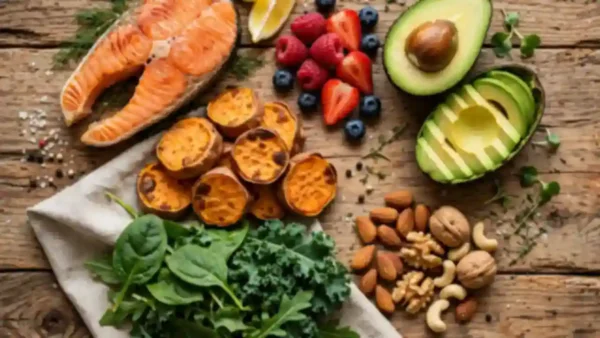
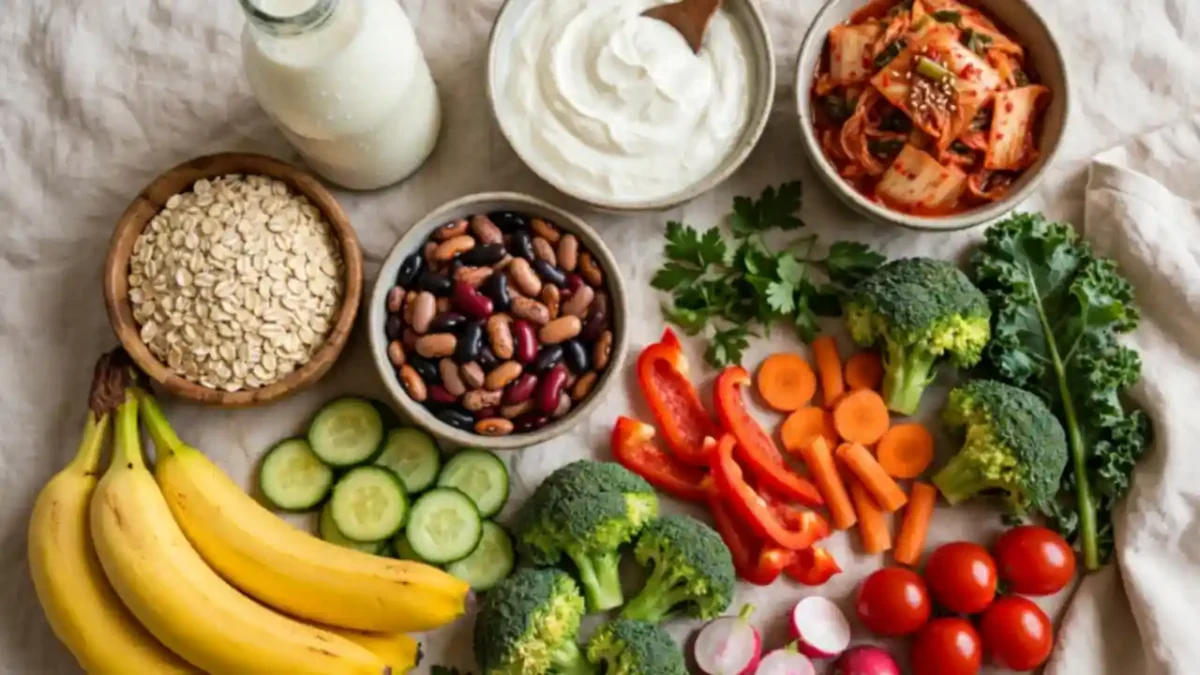
I like the garden metaphor because it changed how I eat. My gut microbes are like plants: what I feed them shapes which ones thrive, and variety feeds a more diverse, resilient garden than any single food can. That is why the strongest, simplest advice I found keeps returning to the same point: eat a wide range of whole plant foods, and let diversity do the heavy lifting.
A practical, science-backed guide I read while researching this article puts it plainly: the single most reliable lever is variety of fibre-rich plants, including vegetables, fruit, whole grains, legumes, nuts and seeds, and fermented foods add beneficial microbes as an easy place to start. That summary, from a practical guide to the best foods for gut health, matches what I experienced at home. When I ate more kinds of plants, my digestion settled, and when I narrowed my diet to the same few foods, it did not.
Another evidence summary I found makes the same point from the other direction: heavily processed foods high in refined starch and added sugar do the opposite of what fibre-rich plants do, and they crowd out the foods your microbes actually need. I did not need a test to tell me that, because my body told me every time I lived on takeaways for a week, but it helped to see the pattern confirmed rather than blamed on willpower.
Fibre: The Foundation, Built Slowly
Fibre is the food your gut microbes ferment, and their fermentation produces compounds such as short-chain fatty acids that support gut health. That is the science in one sentence, and the practical version is simpler: eat more plants, of more kinds, and increase the amount gradually. I learned the gradual part the hard way, because I once doubled my fibre overnight with a giant bean salad and spent the evening regretting my enthusiasm.
Oats are my favourite starting point, because they are cheap, gentle and versatile. Their soluble fibre, beta-glucan, can be fermented by gut microbes and supports bowel regularity, and a bowl of porridge with fruit and seeds is a genuinely gut-friendly breakfast. I also eat lentils, chickpeas and beans regularly, whole grains such as brown rice and whole wheat bread, and a wide range of vegetables and fruit, because different fibres feed different microbes, and variety is the point.
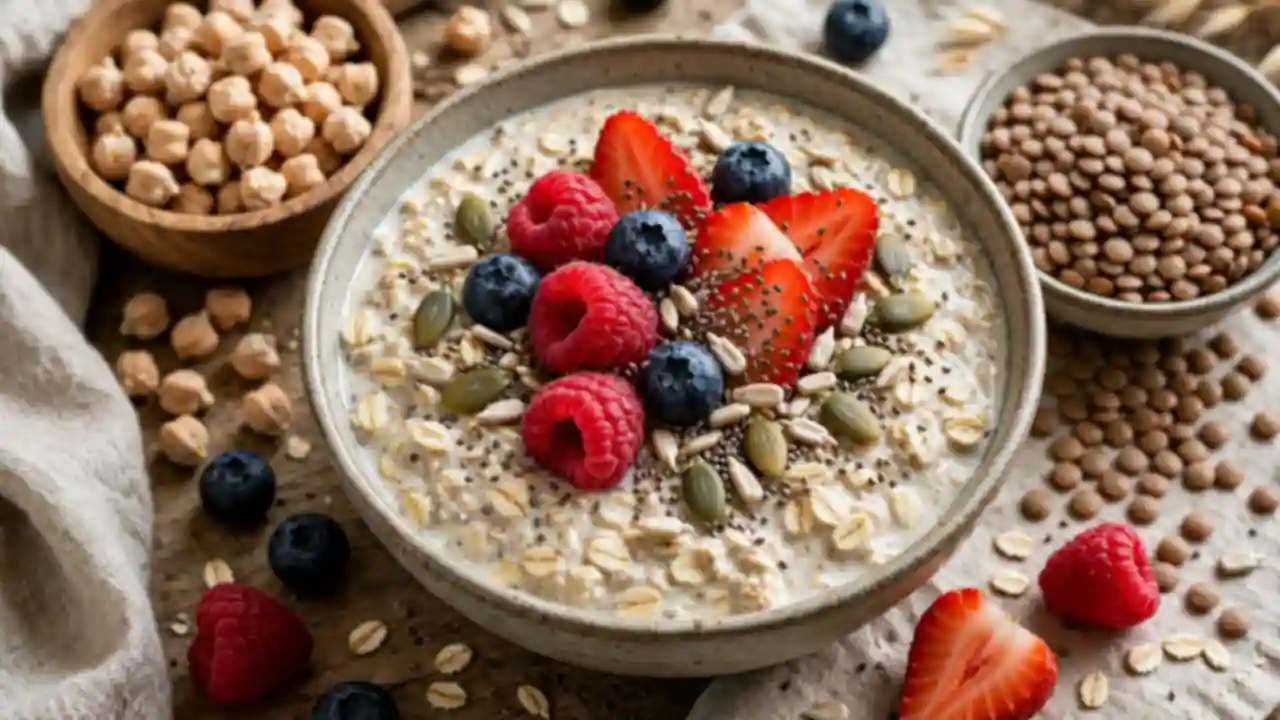
Some specific foods are worth knowing about. A medium avocado provides around ten grams of fibre, a medium pear with its skin on provides roughly five to six grams, and a cooked cup of chickpeas provides around twelve grams, according to a Harvard-trained gut doctor’s recommendations reported in the Economic Times summary of fibre-rich foods for gut health. I do not count grams every day, but knowing which foods are fibre-rich helps me build meals without a spreadsheet.
Water matters just as much as fibre, and I learned that by forgetting it. Fibre without enough water can make constipation worse, not better, so I drink a glass of water with high-fibre meals and keep a bottle nearby through the day. It is a boring tip, and it is also one of the most useful in this whole article.
Fermented Foods: Small Amounts, Often, Varied
Fermented foods are foods where bacteria or yeasts have broken down sugars, creating tang, acidity and, in many cases, live cultures. Plain yogurt, kefir, kimchi, sauerkraut, miso and traditionally brewed kombucha are the main examples, and when they contain live and active cultures, they add beneficial microbes directly to your gut. I started with plain yogurt because it was familiar, then added kefir at breakfast, and only later tried kimchi, which I now love in small amounts with rice.
The evidence that convinced me to keep going comes from a Stanford trial, in which healthy adults who ate more fermented foods over ten weeks showed a measurable increase in gut microbiome diversity and a broad drop in markers of inflammation, with larger servings producing stronger effects. That finding, described in a guide to the best foods and drinks for gut health, is important because the high-fibre group in the same trial did not see the same rise in diversity, which suggests fermented foods add something fibre alone does not.
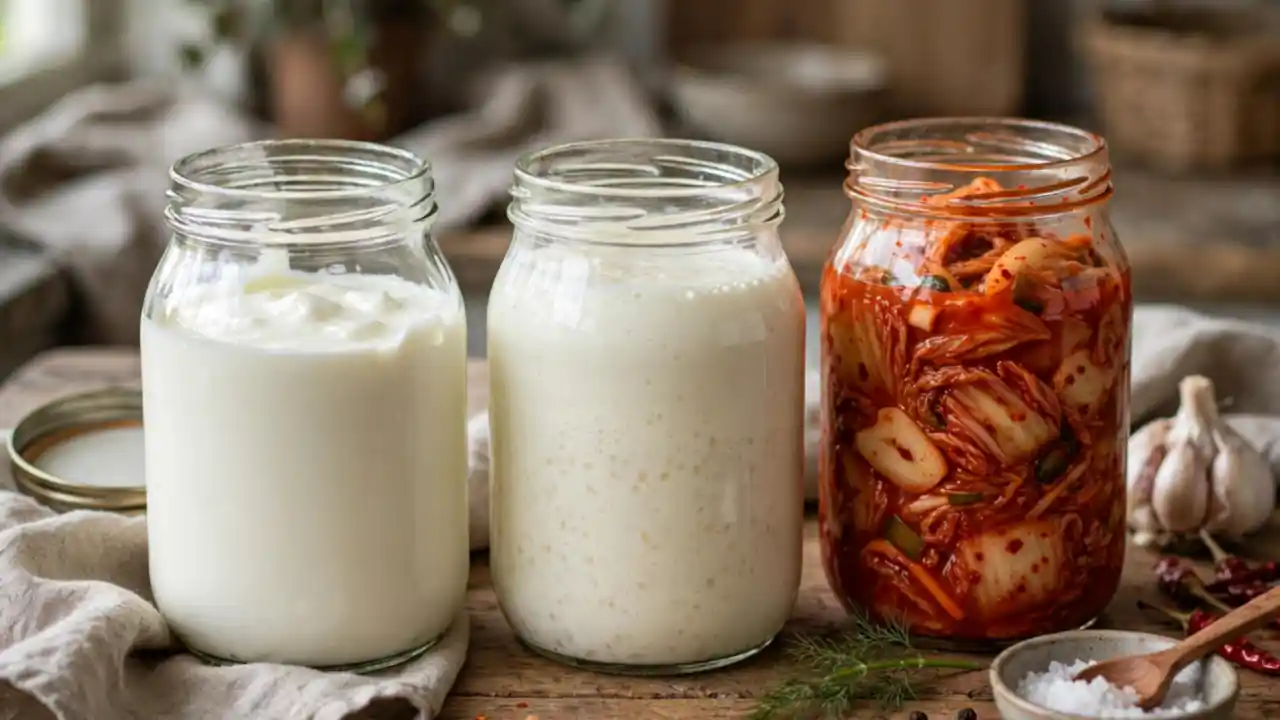
My practical rule, borrowed from that same guide, is small amounts, often, and varied. A spoonful of sauerkraut with dinner, a glass of kefir at breakfast, or a pot of plain yogurt with fruit beats a single heroic serving once a week. I also choose refrigerated sauerkraut and kimchi over shelf-stable versions, because heat processing can kill live cultures, and I check labels for live and active cultures when I buy yogurt.
If you dislike fermented foods, do not panic. Fibre and plant diversity are the foundation of gut nutrition, and their evidence base is deeper than that for fermented foods, as noted in an explained guide to feeding your microbiome. Fermented foods are a promising addition, not a prerequisite, and you can cover most of what matters with fibre variety alone.
Prebiotics: Food for the Bacteria Already There
Here is the distinction that finally made gut health click for me: probiotics are the bacteria, prebiotics are their food. Prebiotic fibres feed the beneficial bacteria already living in your colon, and the best sources are already in most kitchens. Garlic, onions and leeks are classic examples, along with oats, slightly green bananas, and cooked-then-cooled potatoes and rice, which develop resistant starch as they cool.
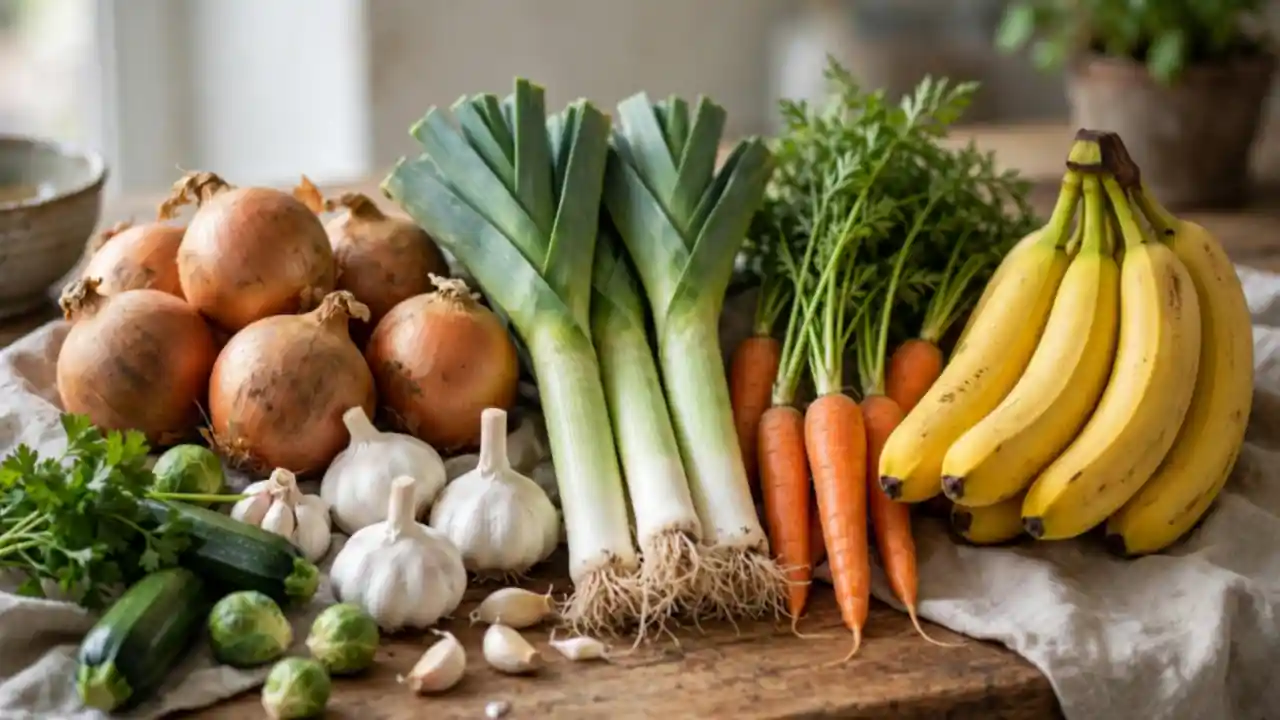
I use prebiotics without thinking about the word, because I cook with onions and garlic almost daily, I eat bananas, and I often cook rice or potatoes in advance and use them cold in salads the next day. That last habit surprised me, because I used to think leftovers were second best, when for gut health they can actually be an advantage. Cooking, cooling and reheating gently still keeps much of the benefit, and it makes weekday lunches easier too.
Other prebiotic-rich foods include asparagus, chicory root, pulses and whole grains, and the pattern is the same as everywhere else in this guide: variety, regularity and ordinary foods, not exotic purchases. I keep coming back to that pattern because it is the only one I have ever managed to sustain, and sustainability is what gut health actually rewards.
Beans, Lentils and the Bloating Trap
Beans and lentils are among the cheapest, highest-fibre foods available, and they are also the foods most likely to cause gas if you rush them. I did rush them, and I blamed beans for years, when the real problem was my sudden jump from almost none to a huge portion. The fix is embarrassingly simple: start with a few spoonfuls, rinse tinned varieties well, and build up over several weeks.
I now add lentils to soups, chickpeas to salads, and beans to rice dishes in small amounts first, and I increase the portion only when my digestion feels comfortable. Soaking dried beans and cooking them thoroughly helps too, and I always drink water with the meal. If a particular bean consistently troubles you, try another one, because different legumes affect people differently, and there is no prize for forcing yourself to love kidney beans.
Two foods with specific trial support are worth knowing: two kiwifruit a day is one of the few food interventions with clinical trial support for chronic constipation, and prunes have similar evidence, though their sorbitol can cause gas in some people, so alternating the two is reasonable. I keep kiwis in the fruit bowl and prunes in the cupboard, and I use them when I feel sluggish rather than reaching for a harsh remedy first.
Gut health connects to the rest of life too. Stress affects gut motility through the gut-brain axis, sleep affects digestion, and movement helps food move through the system, so a gut-friendly week is never only about food. Our guide to the best foods for better sleep helps on the sleep side, starting the day well helps on the breakfast side with the best high-protein breakfasts, and gentle movement from our strength training at home guide supports motility without needing a gym.
What to Limit, and a Gentle Seven-Day Plan
I limit highly processed snacks, excess sugar, deep-fried foods and too much alcohol, not because I never touch them, but because they crowd out fibre and reduce microbial diversity when they dominate my diet. Keeping them occasional, rather than daily, is enough to make a difference, and it leaves room for foods I enjoy without turning eating into a punishment.
Here is a gentle plan I actually use. Day one, add oats at breakfast and a vegetable at dinner. Day two, add plain yogurt or kefir. Day three, add lentils to soup in a small portion. Day four, add a new vegetable you do not usually eat. Day five, try a spoonful of kimchi or sauerkraut with dinner. Day six, cook rice or potatoes ahead and use them cold in a salad. Day seven, review what felt good and repeat the foods you enjoyed. That is the whole plan, and it works because it is small enough to repeat.
Start tomorrow with three things: a bowl of oats, a pot of plain yogurt, and one extra vegetable at dinner. Drink water with each meal, eat slowly, and notice how you feel after a week. If bloating increases, slow down rather than stopping completely, because gradual change is the gut-friendly way.
Frequently Asked Questions
What is the best single food for gut health?
There is no single best food. Variety of fibre-rich plants matters more than any one item, with fermented foods as a valuable addition. Oats, beans, lentils, vegetables, fruit, nuts and seeds together cover far more than any superfood alone.
Do I need probiotic supplements?
Most people do not need them as a first step. Fermented foods with live cultures and a fibre-rich, varied diet cover the foundations for most people, and supplements are best discussed with a doctor, especially if you have a medical condition or take medication.
Can I improve gut health without fermented foods?
Yes, absolutely. Fibre and plant diversity are the foundation, and their evidence base is deeper than that for fermented foods. If you dislike or cannot tolerate fermented foods, prioritise fibre variety and you are covering most of what matters.
Why does more fibre sometimes cause bloating?
A sudden large increase in fibre commonly causes gas and bloating, because your gut microbes need time to adapt. Increase fibre gradually over weeks, drink enough water, and start with small portions of beans and lentils.
How much fibre do I need each day?
Most adults need around 25 to 30 grams a day, yet many people eat far less. You do not need to count precisely; eating a variety of plants at every meal, including whole grains, legumes, vegetables and fruit, usually moves you towards that range.
When should I see a doctor about gut symptoms?
See a doctor promptly if you notice blood in your stool, unexplained weight loss, severe pain, persistent vomiting, or symptoms that do not improve. Those signs need investigation, not a diet change alone.
Final Thoughts
I started this journey thinking gut health was complicated, and I finished it realising it is mostly about eating more kinds of plants, adding a little fermented food, drinking water, and being patient with my body. My digestion is not perfect, and it never will be, but it is calmer, more predictable and far less of a daily worry than it used to be. That change came from ordinary food, cooked at home, eaten slowly, and repeated week after week.
So try the three things tomorrow, oats, yogurt and one extra vegetable, and then come back and tell me in the comments what worked for you and what did not. I read every comment, and I would love to hear how your gut responds to a gentler, more varied week.
React to this story