Key Points
Key Points
- October 2026 reporting lists console tiers at $9.99 Essential, $14.99 Premium, and $22.99 Ultimate per month
- At $22.99 a month, a year costs about $276, roughly four full-price $70 games
- The IGN and Dentsu Generations in Play 2026 report found 62 percent of respondents no longer buy full-price games
- Subscribers lose access when they cancel or when a game leaves the rotating catalogue
- Game Pass acts as a discovery engine, letting players try genres they would never buy outright
- Decision rule: subscribe to explore, buy outright the games you know you will return to for years
On This Page
- Subscribe to CAAW News
- What You Will Learn in This Guide
- What Game Pass Actually Is in 2026
- The Maths: Who Saves Money and Who Does Not
- Why Younger Players Stopped Buying Games at Full Price
- What You Actually Lose When You Stop Owning Games
- How Game Pass Changed What Gets Made
- The New Middle Ground: Subscribe Sometimes, Buy What You Love
- Frequently Asked Questions
- Do I own the games on Game Pass?
- How much does Game Pass cost in 2026?
- Is Game Pass worth it if I only play one game?
- Do games leave Game Pass?
- Can I play Game Pass games without a console?
- Is buying games on sale cheaper than Game Pass?
- Should I subscribe and buy games at the same time?
- Final Thoughts
- React to this story
I still remember the first time I did the maths on my games shelf and felt slightly sick. I counted the boxes, added up what I had paid, and realised I had spent hundreds on games I played for a weekend and never touched again. Then a friend told me he had played six new games that month for the price of one takeaway pizza, and I felt even worse. He was on Game Pass. I was not. That was the moment I stopped treating subscription gaming as a gimmick and started taking it seriously.
By 2026, Game Pass is no longer an experiment. It is one of the main ways millions of people play games, and it has changed what it means to own a game, to discover a game, and even to finish one. Some players love it. Some players resent it. Most players, if they are honest, have mixed feelings, because the deal is genuinely good in some ways and genuinely uncomfortable in others.
If you are wondering whether to subscribe, whether to keep buying games outright, or whether you can do both without wasting money, this guide is for you. I will walk you through what Game Pass actually is in 2026, what it costs, who it saves money for, who it quietly overcharges, and what it means for the future of owning games at all. I will do the maths with you, and I will be honest about where my own feelings sit, because this is not a simple good-or-bad story.
Prices and tiers change, and they vary by country, so treat every price in this guide as reported in October 2026 coverage, not as a permanent fact. Check the current price on Xbox’s own pages before you subscribe, and I will flag clearly where a claim comes from a report rather than from Microsoft itself.
What You Will Learn in This Guide
- What Game Pass is, and how its tiers differ in plain language
- The honest maths: when a subscription saves you money, and when it does not
- Why younger players are abandoning full-price purchases
- What you actually lose when you stop owning games
- How Game Pass changed what developers make, for better and worse
- A simple decision rule for your own playing habits
What Game Pass Actually Is in 2026
I think the simplest way to explain Game Pass is to compare it with something you already understand. Buying a game is like buying a book. You pay once, it sits on your shelf, and you can return to it whenever you like. Game Pass is like a library card with a monthly fee. You pay every month, and while you pay, you can borrow from a large rotating collection. Stop paying, and the books go back.
In October 2026 reporting, the console tiers are described as Essential at $9.99 a month, Premium at $14.99 a month, and Ultimate at $22.99 a month, with larger libraries and more perks as you go up, including online console multiplayer on every tier, hundreds of games on the higher tiers, and day-one releases plus partner perks on Ultimate. PC pricing is reported separately in some coverage, which is another reason to check your region before subscribing. The exact library sizes shift constantly, because games join and leave the catalogue over time.
That last sentence matters more than it looks. A subscription library is not a shelf. It is a river. Games flow in, games flow out, and the game you planned to play next month might not be there when you get to it. Microsoft gives notice before removals, and first-party Xbox games tend to stay, but third-party games can leave, and that impermanence is the central trade of the whole model.
The Maths: Who Saves Money and Who Does Not
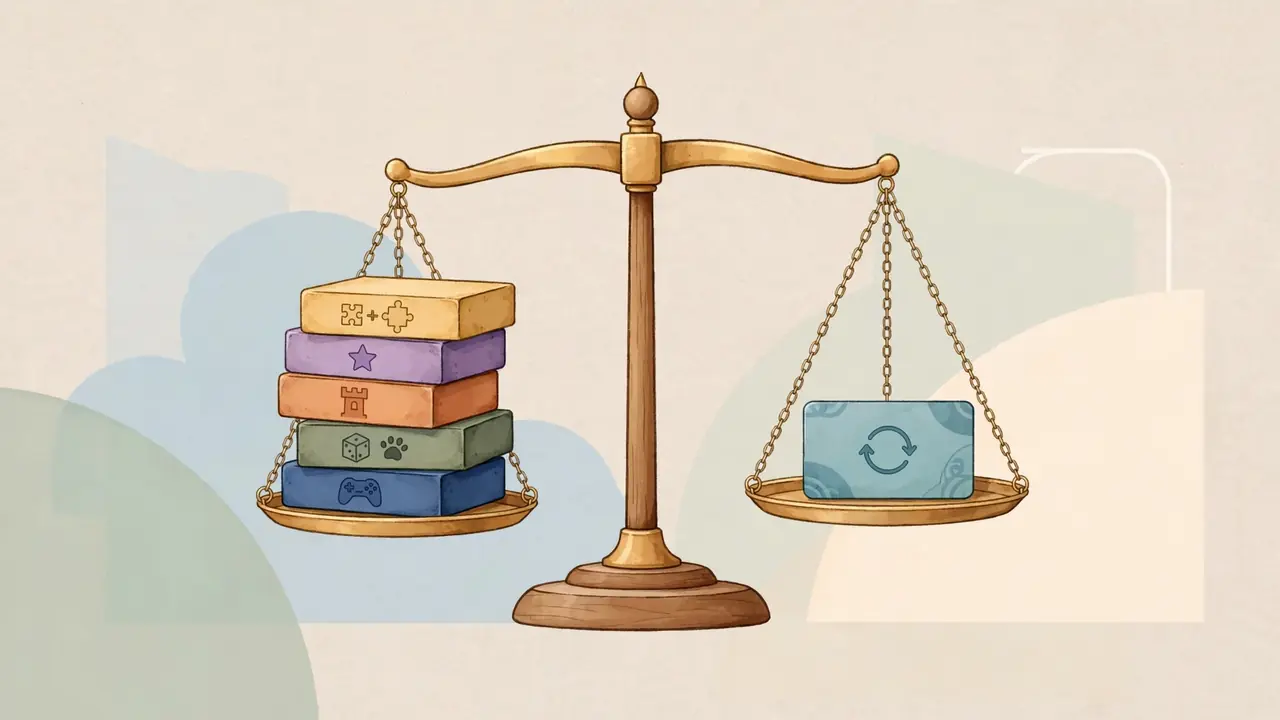
I want to do this honestly, because the marketing only shows you one side. Let us take Ultimate at the reported $22.99 a month. Over a year, that is about $276. A new full-price game costs around $70. So if you play four or more new games a year through the subscription that you would otherwise have bought at full price, you come out ahead. If you play ten different games in a year, the saving is large. If you play one game all year, the subscription costs you far more than buying that game once.
That is why the answer depends entirely on how you play. Variety samplers win big: players who try ten or more games a year, who like discovering new genres, who play with friends and need a shared library, all get strong value. Day-one fans of Xbox’s own big releases win too, because one launch-day game can nearly cover a month’s fee on its own. Families and households sharing a library spread the cost further, which lowers the effective price per person.
On the other side, single-game grinders lose. If you spend a whole year inside one game, especially one that is not on Game Pass, the monthly fee buys you nothing you use. Collectors lose too, because they care about permanent ownership, and a rotating library cannot give them that. Casual players with little free time lose quietly, because they pay twelve months for three or four games they could have bought on sale for less. And sale prices matter: Steam sales routinely cut prices deeply, so a patient buyer who waits can often beat the subscription on the same games.
My own rule of thumb, after years of going back and forth, is this. Count how many games you actually finished or played seriously last year, not how many you wish you had played. Multiply the ones you would have bought at full price by $70. If that number is bigger than a year of the tier you want, subscribe. If it is smaller, buy the games you love and skip the subscription, or subscribe for one month at a time when something specific arrives.
Why Younger Players Stopped Buying Games at Full Price
I found one statistic from 2026 that stopped me in my tracks. A study reported by Windows Central, the IGN and Dentsu “Generations in Play: 2026 Audience Insights Report”, found that 62 percent of respondents no longer purchase full-price games, with younger audiences, particularly Gen Z, shifting towards subscriptions and rotating through whatever they are currently playing. That does not mean young players do not spend money on games. It means they spend it differently, on subscriptions, on in-game content, on trying many things rather than committing to one expensive purchase.
I understand that shift, because I feel it myself. When games cost $70, buying one is a decision, a commitment, a small risk. You research it, you watch reviews, you worry about wasting money. A subscription removes that risk. Trying a strange game costs nothing extra, so you try it. Quitting a game you dislike costs nothing extra either, so you quit without guilt. That freedom changes your taste, because you sample more widely than you would if every experiment cost $70.
There is a flip side that worries me, though. When trying is free and quitting is free, finishing becomes rarer. I have abandoned more games since subscribing than I ever did when I bought them, because a purchased game carried a sense of obligation that a borrowed game does not. I am not sure that is a bad thing, unfinished games are not a moral failure, but it is a real change in how I play, and I think many players would recognise it in themselves.
What You Actually Lose When You Stop Owning Games
I want to be blunt here, because the word “owning” gets fuzzy in digital gaming. Even when you buy a digital game, you usually buy a licence to play it, not a physical object you can resell freely. So the difference between buying and subscribing is not as simple as owning versus renting. But there is still a real difference, and it matters.
When you buy a game, it stays in your library as long as your account is active, and you can return to it years later. When you subscribe, your access depends on two things: your subscription staying active, and the game staying in the catalogue. Cancel the subscription, or watch the game leave the catalogue, and you lose access through Game Pass. You can often buy the game at a subscriber discount to keep it permanently, but that adds cost on top of the monthly fee, which is worth remembering before you fall in love with a game that might leave.
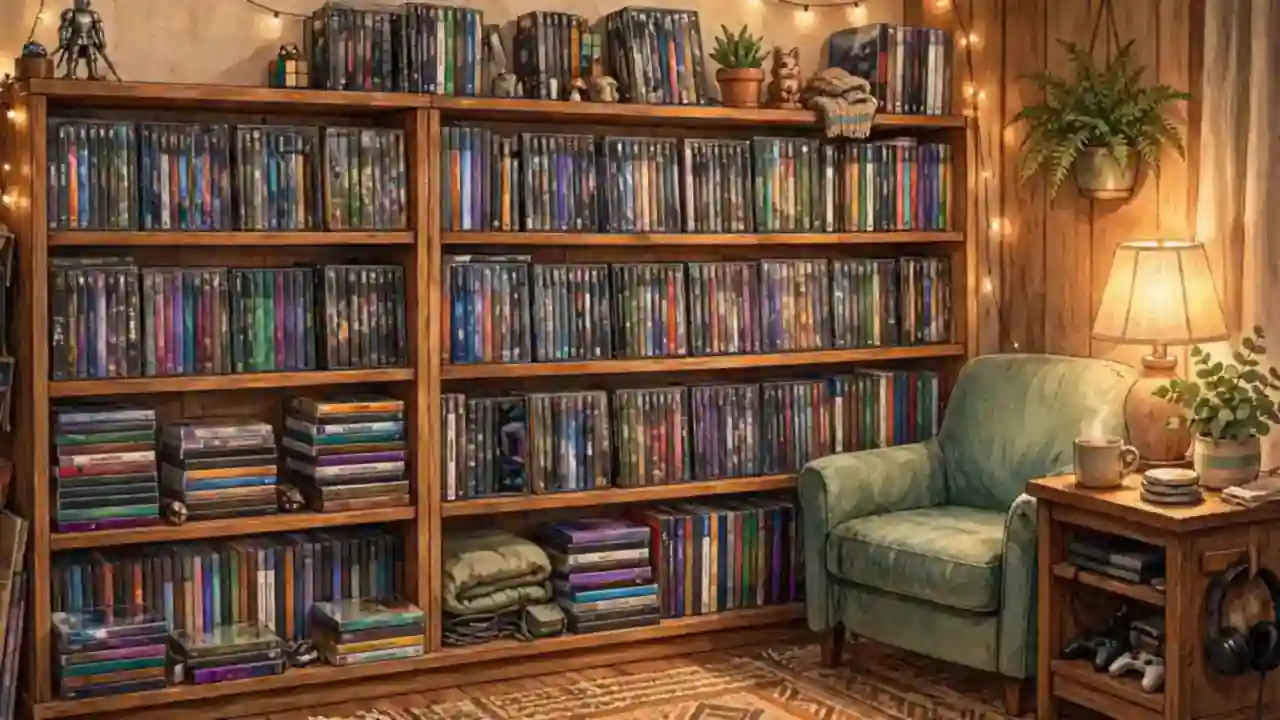
There is also a quieter loss, and it is about control. A library you built over years reflects your taste, your history, your late-night obsessions. A subscription library reflects a company’s catalogue decisions. That is not a tragedy, but it is a change in the relationship between player and games, from collecting to borrowing, and some players feel that loss more keenly than others. I know collectors who tried Game Pass, enjoyed it, and still went back to buying, because they wanted their shelf to be theirs.
How Game Pass Changed What Gets Made
I think this is the most interesting part of the story, and the part players talk about least. When a subscription service needs to keep subscribers paying every month, it needs a steady flow of new things to try. That rewards variety. A weird puzzle game, a cozy farming game, a short narrative experiment, all of these become more valuable to a subscription library than they would be as standalone $70 purchases, because they give subscribers a reason to stay for another month.
That is genuinely good for discovery. Subscription services have been described as discovery engines, and I think that description is fair. Players try genres they would never have bought, small developers reach audiences they could never have afforded to market to, and the industry as a whole becomes a little less dependent on a handful of giant hits. Some of the most interesting games of recent years found their audience partly because subscribers could try them at no extra cost.
But there are criticisms too, and I want to give them fair weight. One criticism, reported in 2026 coverage of Game Pass, is that some major titles have moved from day-one availability to arriving roughly a year after launch on the service, which weakens the day-one promise for players who subscribed mainly for those titles. Another concern is about how developers are paid in a subscription world, and whether a model built on engagement and retention rewards the same kinds of games that players love most. These are open questions, not settled verdicts, and they deserve more attention than the marketing gives them.
The New Middle Ground: Subscribe Sometimes, Buy What You Love
I used to think I had to choose a side, subscriber or buyer, as if it were a team. I have changed my mind. The smartest approach I have found, and the one I actually use now, is a hybrid. I subscribe for a month or two when a batch of games I want to try arrives. I play widely, I discover things, and I let the subscription lapse when I am busy or when nothing excites me. When a game truly wins me over, a game I know I will return to for years, I buy it outright, so it is mine regardless of catalogues and subscriptions.
This approach needs a little discipline, because subscriptions are designed to be forgotten. Set a reminder to review yours every few months. Ask yourself a simple question: how many games did I actually play through this service last month, and would I have bought any of them anyway? If the answer is none, cancel without guilt. You can always come back. The service will still be there, and so will the games, or at least most of them.
I also think it is worth watching the new experiments around Game Pass, because the model is still moving. In October 2026, reporting described new cloud options, including hourly Cloud Playtime packs for players who already own games and want to stream them without a full subscription, and even a free ad-supported streaming test for insiders. Those options suggest Microsoft is learning that one subscription does not fit every player, and that players who own games want streaming too, on their own terms.
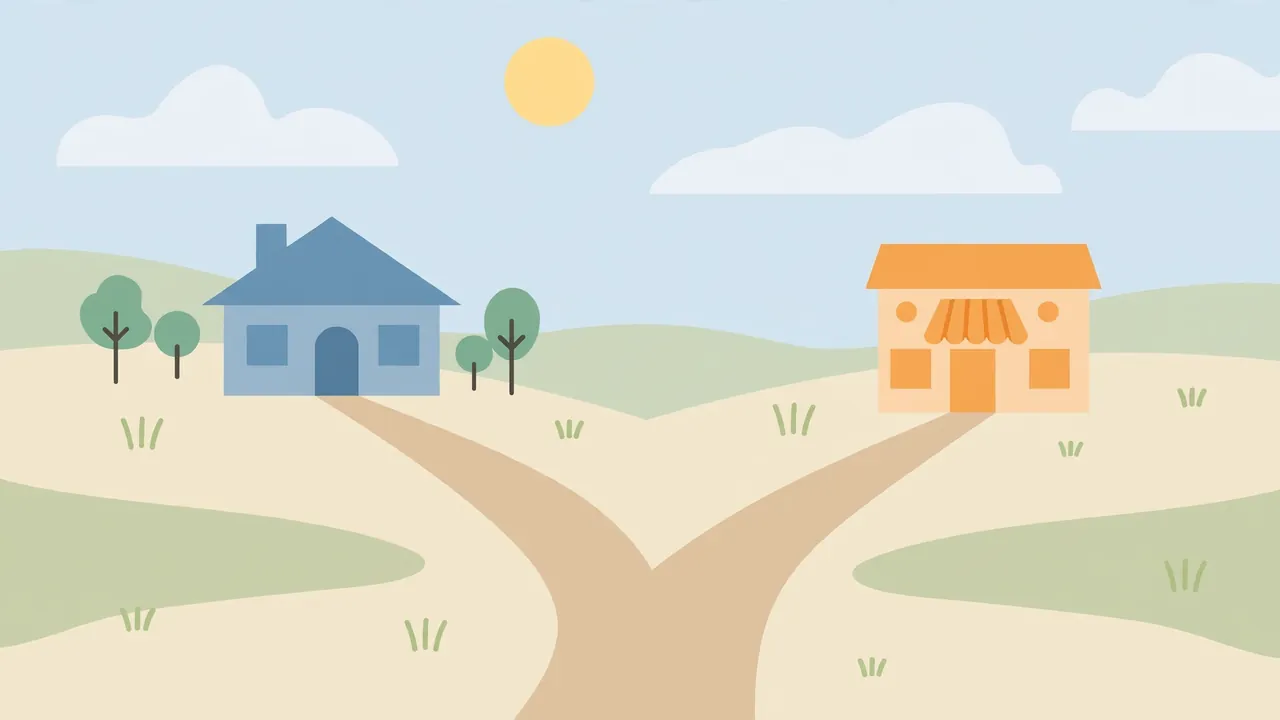
My honest take: Game Pass is the best deal in gaming for players who sample widely, and a quiet waste of money for players who play one game at a time. Neither side is wrong. Count your real playing habits, not your intentions, and let that number decide. Then buy the games you love, because a library you chose yourself is still the best library there is.
Frequently Asked Questions
Do I own the games on Game Pass?
No. Game Pass gives you access while your subscription is active and while each game remains in the catalogue. If you cancel, or if a game leaves, you lose access through the service, though you can often buy it at a subscriber discount to keep it permanently.
How much does Game Pass cost in 2026?
October 2026 reporting lists console tiers at $9.99 for Essential, $14.99 for Premium, and $22.99 for Ultimate per month, with PC pricing reported separately in some coverage. Prices vary by region and change over time, so check Xbox’s current pages before subscribing.
Is Game Pass worth it if I only play one game?
Usually not. If you spend most of your time in a single game, especially one not on Game Pass, buying that game once is almost always cheaper than a year of subscription fees.
Do games leave Game Pass?
Yes. The catalogue rotates, and third-party games leave regularly, with notice before removal. Xbox’s own first-party titles tend to stay longer, but nothing in a subscription library is guaranteed forever.
Can I play Game Pass games without a console?
Yes, through PC Game Pass and cloud gaming on supported devices, though the exact library and features depend on your tier and region. Cloud gaming lets you stream games without downloading them, where supported.
Is buying games on sale cheaper than Game Pass?
It can be, especially for patient players. Store sales routinely discount games deeply, so if you play a few games a year and you are happy to wait for sales, buying can beat a subscription. The subscription wins when you play many different games, especially new releases.
Should I subscribe and buy games at the same time?
Many players do, and it can be the smartest approach: subscribe for discovery and variety, and buy outright the games you know you will return to for years. Review your subscription every few months and cancel when you are not using it.
Final Thoughts
I began this guide counting the boxes on my shelf, and I will end it with a different kind of counting. Count the games you truly loved this year, not the ones you downloaded, not the ones you meant to play, the ones that stayed with you. Then ask yourself whether a subscription helped you find them, or whether you found them another way. That answer tells you more about Game Pass than any price comparison ever will.
For me, the answer is both. Game Pass helped me discover games I would never have bought, and buying helped me keep the ones I could not let go. That middle ground, subscribe to explore, buy to keep, is where I have landed, and I suspect many of you will land there too. Tell me in the comments: are you a subscriber, a buyer, or a bit of both, and which game made you sure? I would love to hear how you play, because the way we play is changing, and we are all figuring it out together.
React to this story