Key Points
Key Points
- A hybrid bike suits most beginners for roads and light paths
- Saddle height matters more than frame price for comfort
- Start with 15 to 20 minute rides, three times a week
- Practise starting, braking and gears in a quiet car park first
- A helmet, lights and a lock are the only essential gear to begin
On This Page
- What You Will Learn
- Why Cycling Is Such a Good Place to Start
- Subscribe to CAAW News
- Choosing Your First Bike Without Overspending
- Getting the Fit Right: Saddle, Reach and Comfort
- Your First Rides: A Gentle Four-Week Plan
- The Basic Skills That Keep You Safe
- Essential Gear: What You Truly Need
- Staying With It When Motivation Dips
- Frequently Asked Questions
- What type of bike should a beginner buy?
- How fit do I need to be to start cycling?
- How much should I spend on my first bike?
- Is cycling on roads safe for beginners?
- Do I need special clothing?
- How often should a beginner cycle?
- Final Thoughts
- React to this story
I bought my first proper bike as an adult with a mixture of excitement and dread. I had not ridden regularly since I was a teenager, I was convinced I would look foolish, and I nearly talked myself out of it in the shop. Then I rode home slowly, wobbling slightly, grinning like a child, and I wondered why I had waited so long. If you are standing where I stood, unsure which bike to buy, worried about traffic, or afraid you are too unfit to start, this guide is for you. By the end of it you will know exactly how to choose a bike, set it up, and build from your first short ride to a habit you actually enjoy.
I started with short, slow rides and a lot of questions, and I still ask experienced riders for advice. Everything here is what I wish someone had told me on day one, in plain language, without jargon or pressure.
What You Will Learn
- How to choose the right first bike without overspending
- How to set up your saddle and brakes so riding feels comfortable
- A gentle four-week plan that builds confidence slowly
- The basic skills every beginner needs on quiet roads
- How to stay safe and keep the habit going
Why Cycling Is Such a Good Place to Start
I chose cycling because it is low impact, which means it is kinder to my knees than running, and because it gets me outside without feeling like a workout I have to endure. On a bike I can go further than I can walk, I can explore my neighbourhood, and I can stop whenever I want. That freedom matters when you are starting out, because the best exercise is the one you will actually repeat.
Beginner guides make the same point in different ways: start small, build gradually, and let consistency come before distance. One habit-building guide I found suggests starting with rides of around 20 minutes three times a week, then adding time slowly, which is almost exactly how I began, and it worked because I never dreaded the next ride. You can read a similar approach in this complete beginner guide to building a cycling habit, and I recommend its emphasis on small wins.
I also love that cycling doubles as transport. A ride to the shops or to a friend’s house counts, and it turns exercise from a separate chore into part of my day. That is how habits survive busy weeks, by hiding inside ordinary life.
Choosing Your First Bike Without Overspending
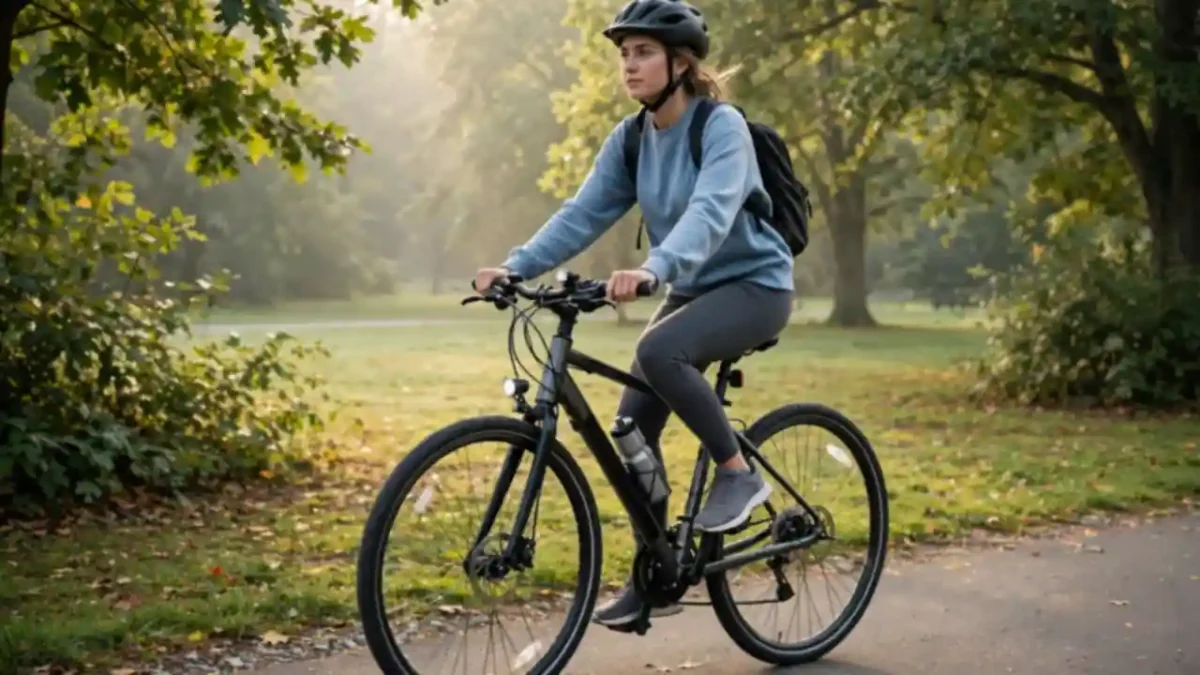
I made the classic mistake first: I assumed a more expensive bike would make me a better rider. It does not. What matters is that the bike fits the riding you will actually do. For most beginners, a hybrid bike is the sensible choice, because it is comfortable on roads and light paths, upright enough to see traffic, and forgiving when the surface is imperfect. A road bike is faster but less comfortable for a newcomer, and a mountain bike is wonderful off-road but heavy on tarmac.
A good beginner guide puts it plainly: work out what kind of riding you actually want to do before you spend anything, because buying a road bike for potholed city streets, or a hybrid for serious training rides, is how bikes end up gathering dust in a garage. That advice from BikeTips and its complete starter guide for 2026 saved me from a purchase I would have regretted, and I pass it on to every friend who asks me about bikes.
If your budget is tight, a good second-hand bike from a reputable shop is a fine start, provided someone knowledgeable checks the brakes, tyres and gears first. I would rather ride a well-maintained used hybrid than a shiny new bike that nobody has set up properly. Spend the money you save on a helmet and lights, which matter far more than a fancy frame.
Getting the Fit Right: Saddle, Reach and Comfort
Here is the part I underestimated completely. Saddle height matters more than almost anything else. When I first rode, my saddle was too low, my knees ached, and I felt like I was pedalling a clown bike. Raising the saddle so my leg was almost straight at the bottom of the pedal stroke, with a slight bend in the knee, changed everything. Suddenly I could pedal smoothly, my knees stopped complaining, and I stopped dreading hills.
A good rule I learned is that you should be able to touch the ground with your toes when you stop, not sit flat-footed on the saddle. If you can sit flat-footed, the saddle is probably too low for comfortable riding. Ask a shop to help you set it, or use a wall for support while you adjust it at home in small steps. Take a short ride after each adjustment, because comfort is something you feel, not something you calculate.
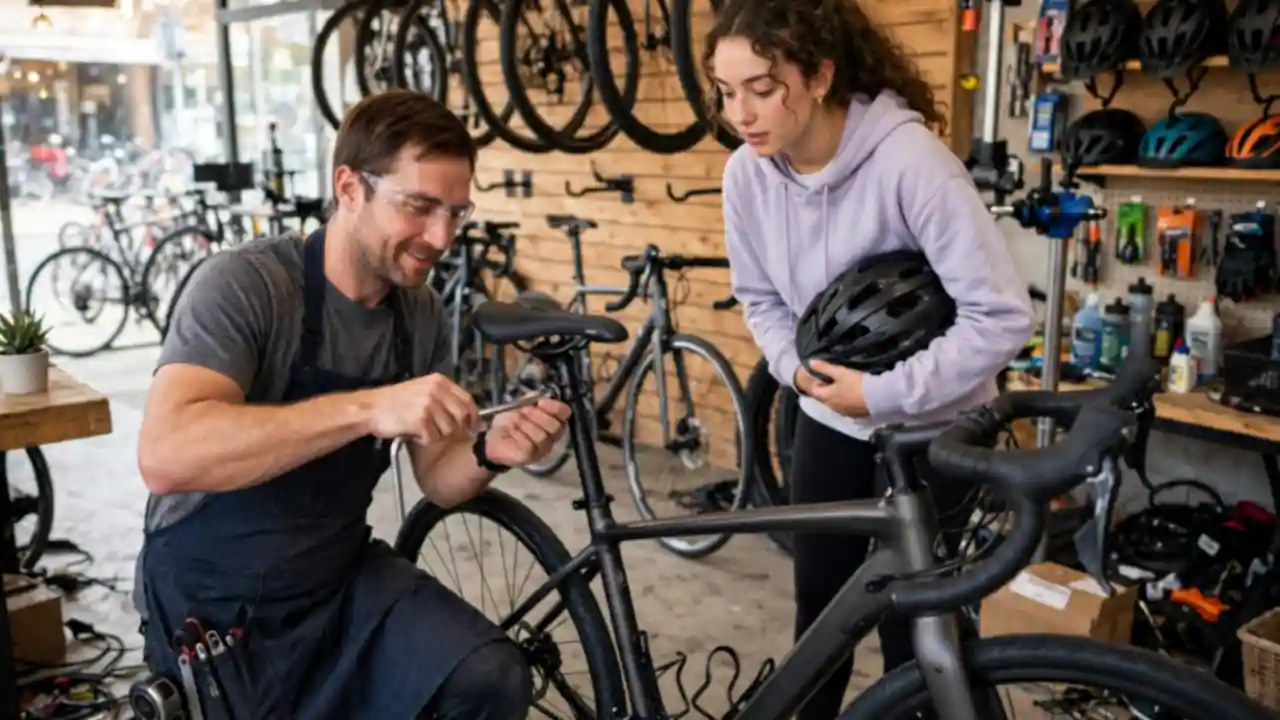
Handlebar reach matters too. If you feel stretched out or your shoulders ache, the bike may be too long for you, or the stem may need adjusting. I also learned to wear padded shorts once my rides passed thirty minutes, because discomfort is the quiet reason many beginners quit. Nobody tells you that at the start, but I am telling you now: comfort is not cheating, it is strategy.
Your First Rides: A Gentle Four-Week Plan
I started in an empty car park, not on a road, and I recommend you do the same. I practised starting, stopping and turning slowly, with nobody watching and no traffic to worry about. Only when stopping felt automatic did I move to quiet streets, and only later to busier roads. That slow progression built confidence faster than any brave leap into traffic ever would.
Here is the plan I followed, adapted slightly for you. In week one, ride for 15 to 20 minutes, three times, on flat, quiet paths, at a pace where you can talk comfortably. In week two, ride for 25 to 30 minutes, three or four times, and try one gentle hill. In week three, add a longer weekend ride of 40 minutes and practise using your gears properly. In week four, ride four times, including one ride of an hour if you feel ready. If a week feels hard, repeat it. There is no exam, and nobody is marking you.
Other beginner guides recommend a similar shape, starting with short 15 to 20 minute rides and building gradually, as described in this beginner guide to starting cycling as a hobby in 2026. I like that guide’s reminder that you only truly need a helmet, lights and a lock to begin, and that the rest can wait until you know you love riding.
The Basic Skills That Keep You Safe
Starting smoothly was my first skill to learn. I used to wobble badly because I tried to sit on the saddle before moving. The trick that changed it for me was standing over the frame, putting my stronger foot on a pedal, pushing down, and lifting myself onto the saddle once I was already rolling. I practised it ten times in a car park, and by the tenth try it felt natural.
Braking came next, and I practised it deliberately. I learned to use both brakes together, gently, rather than grabbing the front brake in a panic, which can throw you forwards. I also learned to look where I want to go, not down at my front wheel, because your bike follows your eyes more than you expect. On my first rides I stared at the ground and wobbled everywhere, and the day I forced myself to look ahead, I suddenly rode in a straight line.
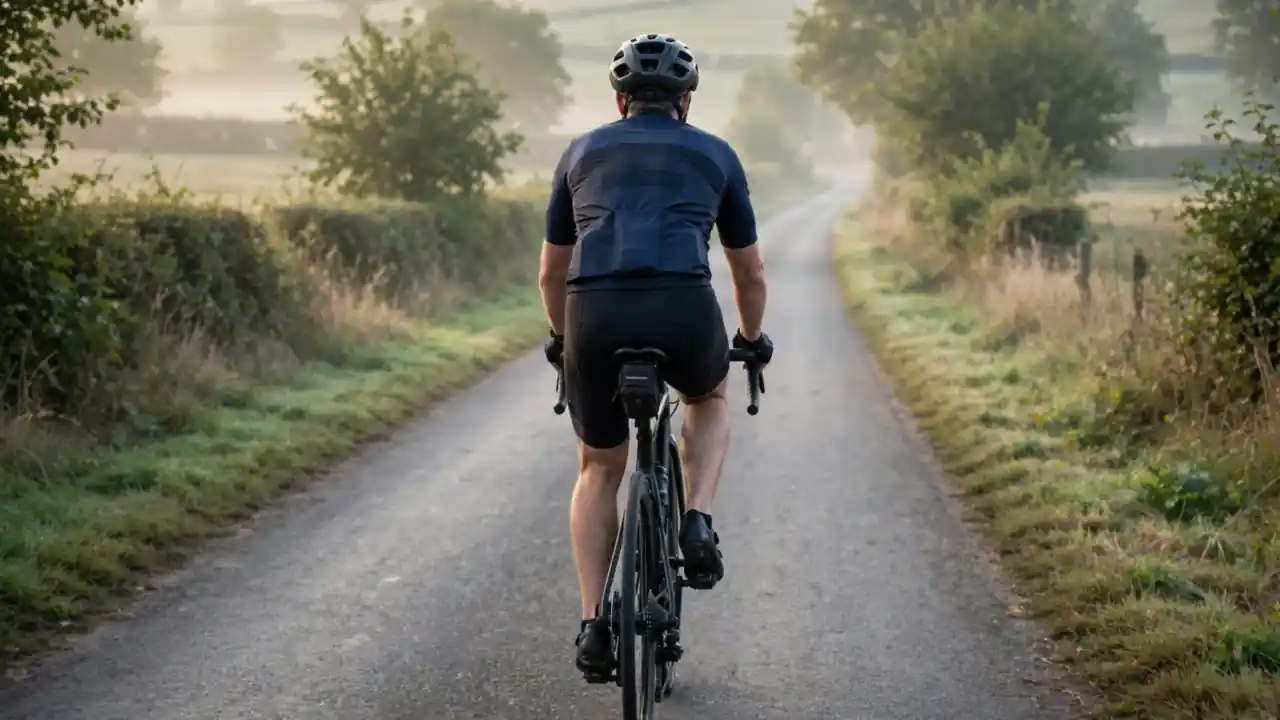
Gears confused me at first, so here is the simple version I wish I had learned earlier. Low gears make pedalling easier and are for hills and starting off. High gears make you go faster on flat ground but are harder to push. Change gear before the hill gets steep, pedal gently while you change, and do not worry about using every gear. I spent my first month mostly in the middle gears, and that was perfectly fine.
On the road, I ride predictably, signal with my hand before turning, and check over my shoulder before moving out. I stay out of the gutter, because drains and debris live there, and I give parked cars a wide berth in case a door opens. These habits sound boring, but boring is exactly what safe riding feels like, and I will take boring over dramatic every time.
Essential Gear: What You Truly Need
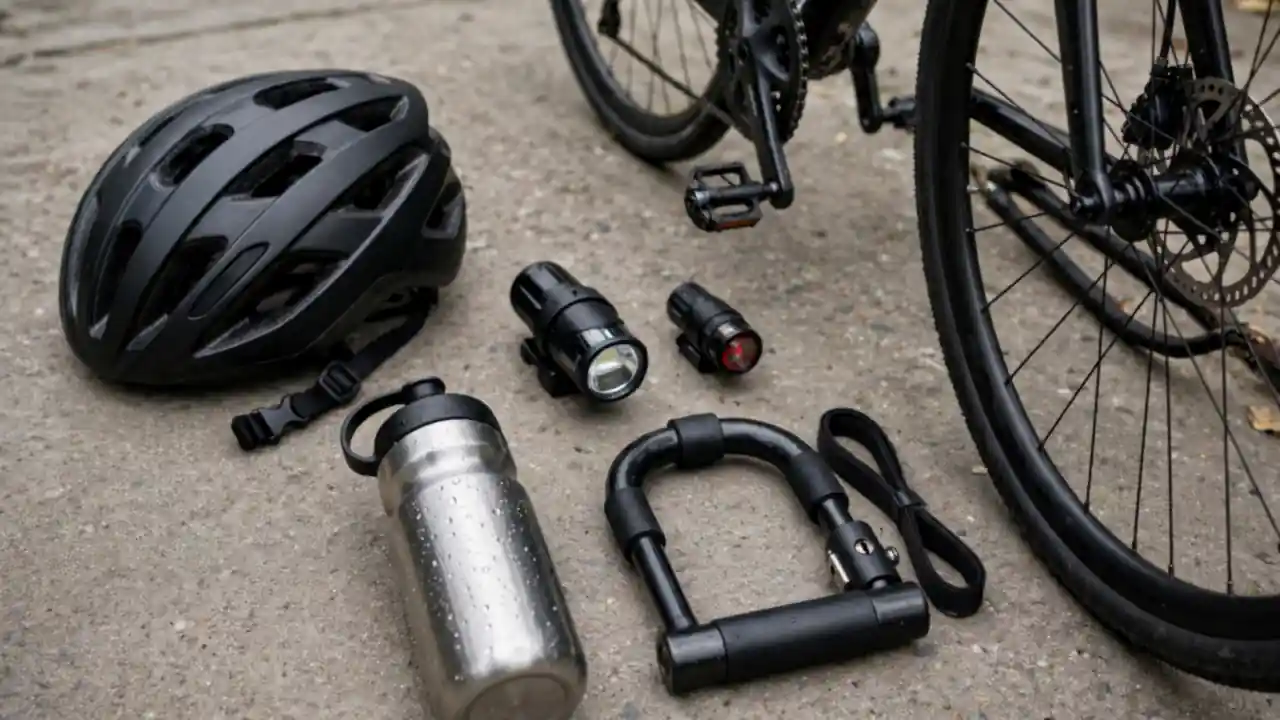
You need a helmet that fits properly, front and rear lights if you ride near dusk, and a lock if you leave your bike anywhere. Everything else is optional at first. I added gloves because my hands went numb on longer rides, a bottle cage because I kept forgetting water, and padded shorts because comfort matters, as I said before. I did not buy special shoes, a computer, or expensive clothing until I had ridden for months and knew what I actually wanted.
Before every ride I do a quick check, which takes less than a minute. I squeeze both brakes, spin both wheels to check they are not rubbing, and press my tyres to check they feel firm. I once set off with a soft tyre and spent the ride wondering why everything felt so heavy, so now the check is automatic. Keep a small pump and a spare tube at home, and learn to fix a puncture when you are calm, not when you are stranded.
Cycling also pairs beautifully with strength work at home, because stronger legs and a stronger core make hills easier and riding more comfortable. Our guide to strength training at home is a good next step, and if you are building a home setup, the best home workout equipment guide will help you choose wisely. Recovery matters too, and good sleep makes early rides far more enjoyable, so our guide to the best foods for better sleep is worth a read on rest days.
Staying With It When Motivation Dips
I will be honest: I nearly quit in week three, when it rained for days and my enthusiasm evaporated. What saved me was lowering the bar instead of raising it. I told myself a ten-minute ride counted, and it did, because it kept the habit alive until the weather improved. I also started riding with a friend once a week, and that social ride became the anchor that held the whole habit together.
Tracking helped me too, but gently. I noted distance and time in a phone app, not to compete with anyone, but to see my own progress. The first time I rode for an hour without stopping, I felt genuinely proud, and that pride carried me through the next rainy week. Celebrate your own milestones, however small they look to anyone else, because they are yours.
Your first ride this week: Find a quiet path, ride for just 15 minutes, and practise starting and stopping five times. Do not worry about speed, distance or looking professional. Notice how you feel afterwards, and then book your second ride before the feeling fades. That is how a hobby begins.
Frequently Asked Questions
What type of bike should a beginner buy?
For most beginners, a hybrid bike is the best choice, because it is comfortable, upright and versatile on roads and light paths. Buy for the riding you will actually do, not the riding you imagine, and make sure the size and saddle height are set up properly.
How fit do I need to be to start cycling?
You do not need to be fit at all. Start with short, flat rides of 15 to 20 minutes at a conversational pace, and build up gradually over weeks. Cycling is low impact, and your fitness will improve simply by riding regularly.
How much should I spend on my first bike?
Spend what you can afford comfortably, and prioritise fit, brakes and tyres over a fancy frame. A good second-hand bike checked by a shop can be an excellent start, and money saved is better spent on a helmet and lights.
Is cycling on roads safe for beginners?
Start on quiet paths and car parks, then move to quiet streets as your confidence grows. Ride predictably, signal, use lights, wear a helmet, and stay visible. Busy roads can wait until your handling skills feel automatic.
Do I need special clothing?
No, ordinary comfortable clothes are fine for short rides. Padded shorts help once rides pass thirty minutes, and gloves help on longer rides, but you do not need specialist cycling clothing to begin.
How often should a beginner cycle?
Three times a week is a great starting point, with rest days between rides. Consistency matters more than frequency, so a schedule you can maintain beats an ambitious plan you abandon.
Final Thoughts
I still remember that first wobbly ride home, and I still feel a version of that grin every time I set off now. Cycling gave me fresh air, stronger legs, quiet thinking time, and a habit I actually look forward to, and it started with one short, imperfect ride. You do not need to be fit, fast or fearless to begin. You only need a bike that fits, a helmet, and fifteen minutes on a quiet path.
So this week, take that first ride, however short, and then come back and tell me in the comments how it went. What surprised you, what scared you, and what did you enjoy most? I read every comment, and I would love to cheer on your first miles.
React to this story