Key Points
Key Points
- President Donald Trump says he will decide soon whether to resume the war with Iran, keep up economic pressure, or reach a deal. He spoke after meeting his national security team on Thursday, while Qatari mediators work on a two-day plan to rebuild trust between Washington and Tehran.
On This Page
What did Trump actually say?
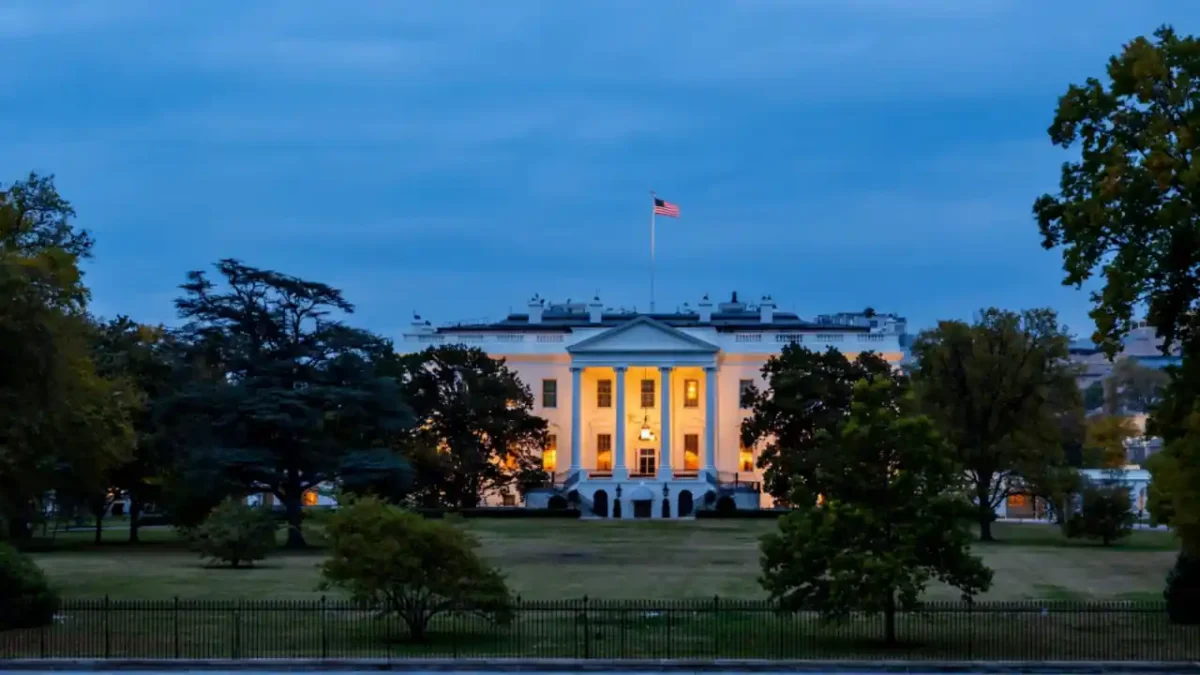
President Donald Trump says he will decide soon whether to resume the war with Iran, keep squeezing it with economic pressure, or reach a deal. He spoke to reporters in the Oval Office on Thursday, 5 November, after meeting his national security team — his first meeting on Iran since the midterm elections. “Now we will make a decision,” he said. “I would rather not destroy the rest of the country if possible, but maybe I’ll have to. You’ll know soon enough.”
Those are the words of a president who has not yet chosen. I will explain the three paths he is weighing, the deal the mediators are trying to build, and why the next few days matter so much.
Why you can trust this post: the quotes come from Trump’s own remarks to reporters, reported by the Times of Israel and The National. The mediation details come from Reuters, Axios and the Qatari government’s own statements.
In this post
What Trump actually said; the three options; the Qatar plan, day by day; Iran’s seven demands; the diplomacy around it; what the February war already cost; what happens next; your questions; my final thoughts.
The three options
Trump is weighing three paths, according to Axios, citing people familiar with the meeting. The first is fresh strikes — resuming large-scale attacks to stop Iran rebuilding its nuclear programme. The second is continued economic pressure — keeping the naval blockade and sanctions in place while Iran’s finances weaken. The third is a deal — an agreement that would give Iran major concessions in exchange for limits on its nuclear programme.
No order to resume military operations has been issued, and Trump set no deadline for a decision. But the military is getting ready. US Central Command is finishing preparations that would allow it to restart major combat operations, and the USS Theodore Roosevelt carrier strike group is expected to move to the Middle East in mid-November. The signal is clear: Washington wants the option open.
The tone has shifted fast. On Monday, Trump told Axios he was in no hurry — Iran wanted a deal “more than they ever wanted.” By Thursday, after the security meeting, the message was different: a decision is coming soon. The Democrats swept Congress in the midterms, and fears of pre-election strikes are over. The choice can no longer wait.
The Qatar plan, day by day
While Trump weighs his options, mediators are trying to build a bridge. Qatar is leading the effort, with a draft plan that would rebuild trust in two days before larger talks begin. Here is how it would work, as described by officials familiar with the draft.
On day one, the United States would end its naval blockade and free up part of Iran’s frozen money. In return, Iran would formally invite inspectors from the International Atomic Energy Agency to visit the nuclear sites damaged in the war, under an agreement reached in Cairo a year ago. On day two, the Strait of Hormuz would reopen, and nuclear talks would start again — focused on Iran’s stockpile of highly enriched uranium.
Neither side has accepted it yet, and neither government has agreed to carry out its steps. But a written draft exists, and both sides are still talking about it. Qatar’s Emir, Sheikh Tamim bin Hamad Al Thani, spoke to Trump by phone on Friday, urging him to avoid further escalation and keep the Strait of Hormuz open.
Iran’s seven demands
Iran is not waiting quietly. Tehran has sent its own nuclear proposal to Washington through Qatar, and the US is reviewing it, according to a senior Iranian official who spoke to Reuters. But the official added a hard condition: the proposal would only be discussed once Washington meets Iran’s seven demands.
Those demands were presented in August. They are: compensation for war damages; unfreezing Iranian assets; lifting sanctions; ending the naval blockade on Iran; withdrawing troops from the region; permanently ending the war with Iran and its allies; and a commitment never to threaten Iran again. Until Washington meets them, the official said, the Strait of Hormuz will not open and there will be no negotiations. That is a high bar — but the demands are a starting position, not necessarily a final one.
The diplomacy around it
Thursday was a busy day for phone calls. Iran’s Foreign Minister, Abbas Araghchi, spoke with his counterparts from Qatar, Saudi Arabia, Turkey, the UAE, Oman and Egypt. Mohsen Rezaei, who heads Iran’s Supreme National Security Council, met Russian President Vladimir Putin at the Kremlin; Putin has offered to help mediate.
Israel is watching closely, and pushing. Prime Minister Benjamin Netanyahu has urged Trump to consider renewed strikes after the midterm elections. In Israel itself, no bloc won enough seats to form a government after the 27 October election, so Netanyahu’s own position is unsettled even as he presses Washington. The price of oil is another pressure point: any new fighting in the Gulf would push it up, hurting every economy, including America’s.
What the February war already cost
This is not a new conflict. The United States and Israel launched the war with Iran on 28 February 2026, aiming to destabilise the regime and destroy its ballistic missile and nuclear programme. The fighting damaged nuclear sites, killed senior figures, and left Iran under a naval blockade. The war has not ended with a peace treaty. It has paused — and the pause is what Trump is now deciding about.
That history is why the decision matters. Resuming the war would mean returning to a fight that was never finished. A deal would mean accepting that Iran keeps some of what it built. And continued pressure would mean betting that time and money do more damage than bombs. None of the three paths is clean.
What happens next
Watch for three things. First, whether Trump announces his decision in the coming days, as his “soon enough” remark suggests, or lets the mediation run longer. Second, whether the Qatar plan moves from draft to action — the first sign would be movement on the naval blockade or the frozen funds. Third, the carrier group: if the USS Theodore Roosevelt sails for the Middle East in mid-November as expected, it will tell you how seriously Washington is preparing for the military option.
Frequently asked questions
Is the US about to bomb Iran again? Not yet. Trump has not issued an order to resume military operations. He is weighing strikes, pressure, or a deal, and says a decision will come soon.
What does Qatar’s plan involve? A two-day sequence: on day one, the US ends its naval blockade and releases some frozen Iranian funds, while Iran invites IAEA inspectors to its damaged nuclear sites. On day two, the Strait of Hormuz reopens and nuclear talks resume. Neither side has accepted it yet.
What are Iran’s seven demands? Compensation for war damages, unfreezing assets, lifting sanctions, ending the naval blockade, withdrawing troops from the region, permanently ending the war with Iran and its allies, and a promise never to threaten Iran again.
What did the February war do? The US and Israel launched the war on 28 February 2026 to destabilise Iran’s regime and destroy its missile and nuclear programme. Nuclear sites were damaged, and Iran has lived under a naval blockade since.
Could there still be a deal? Yes. Mediators are still talking, Iran has sent a proposal through Qatar, and Trump has said he would rather not destroy the country. But the gap between the two sides is wide.
Final thoughts
“You’ll know soon enough.” Those four words are doing a lot of work. They tell Iran that time is short. They tell the mediators to hurry. And they tell the rest of us that a decision is coming before we are ready for it. The hope is that the Qatar plan gives both sides a way to step back without losing face. The fear is that the carriers sail first. In the next few days, we will find out which one it is.
React to this story