Key Points
Key Points
- High-ticket means $500+ commission per sale; 10 sales a month can replace a full-time income
- Liquid Web pays up to $7,000 per sale; Kinsta pays up to $500 plus 10% for life
- Recurring programs (HighLevel 40%, ClickFunnels 40%) build income that compounds monthly
- Long cookies matter: HubSpot and WP Engine offer 180 days for considered purchases
- Match the program to your existing audience — the biggest payout is worthless without buyer fit
- An email list converts high-ticket better than any banner ad
On This Page
- Subscribe to CAAW News
- What counts as “high-ticket” in 2026 (and what doesn’t)
- The math that makes high-ticket work
- The 10 programs that pay $500+ per sale
- 1. Liquid Web — up to $7,000 per sale
- 2. Kinsta — up to $500 + 10% for life
- 3. ClickFunnels — 40% recurring plus high-ticket back-end offers
- 4. HubSpot — up to $1,000 per sale or 30% recurring
- 5. WP Engine — $200+ per sale
- 6. Semrush — up to $300 per sale
- 7. Authority Hacker — up to $1,500 per sale
- 8. HighLevel — 40% recurring
- 9. Fiverr — up to $1,000 per sale
- 10. Villiers Jets — 30% profit share, lifetime
- How to choose the right one for your audience
- The mistakes that kill high-ticket earnings
- Getting started this week
- Frequently asked questions
- Is high-ticket affiliate marketing still worth it in 2026?
- How much traffic do I need for high-ticket affiliate marketing?
- Do I need a website to join high-ticket programs?
- Are high-ticket affiliate programs legit or scams?
- Should beginners start with high-ticket or low-ticket programs?
- How do taxes work on affiliate income?
- Final thoughts
- React to this story
I made $3.17 on my first month of affiliate marketing. Three dollars and seventeen cents. I’d written eleven product reviews, pasted in my affiliate links, and waited for the money to roll in. It didn’t. My sister laughed and told me to get a real job. That stung — but it also made me ask the question that changed everything for me: what if the problem isn’t my traffic, but the price of what I’m selling?
That’s the question this guide answers. I’ve spent years testing affiliate programs, and I can tell you this with confidence: a single referral to the right high-ticket program can pay more than a thousand Amazon commissions combined. You’re scared of wasting another year on content that earns pennies — I get it, I lived it. My promise is simple: by the end of this guide, you’ll know exactly which ten programs pay $500 or more per sale in 2026, how each one pays, and which one fits your audience. If you’re a content creator, blogger, or YouTuber who wants real income from fewer sales, keep reading.
Why trust this? I’ve run affiliate campaigns across SaaS, hosting, and digital education for years. Every commission figure below comes from published 2026 program terms and affiliate-network data, not from sales pages. Where terms changed this year (and some did), I say so. I also tell you the honest downsides — because a $7,000 payout with a 0.1% conversion rate helps nobody.
What counts as “high-ticket” in 2026 (and what doesn’t)
There’s no official definition, but in 2026 the industry has settled on a rough line: high-ticket means a commission of $500 or more per sale, with mid-ticket covering $100–$500 and low-ticket everything under $100. That’s the breakdown used in 2026 program roundups, and it matches how buyers behave — a $500+ payout means the product itself is usually priced at $1,000 or more, and the buyer is making a considered decision, not an impulse click.

But here’s the thing most “top 10” lists won’t tell you: the dollar figure is only half the story. A true high-ticket program has three traits. First, the product price (generally $500+). Second, the commission per sale ($200–$500+ at minimum). Third — and this is the one beginners ignore — a customer decision process that involves research. These aren’t impulse purchases. Buyers read reviews, watch demos, and compare options. That means your content and trust matter far more than clever copywriting.
Software (SaaS), web hosting, finance, and high-ticket digital education are the four categories that consistently pay the most in 2026. SaaS programs typically pay 20–40% recurring for the life of the customer, hosting pays flat bounties of $50–$150 per signup, finance offers pay $100–$500 per funded account, and high-ticket courses or coaching programs pay $500–$1,000+ per sale. The highest earners I’ve seen combine one high-paying offer with an email list — not dozens of low-commission products. If you want the full background on why SaaS leads, my breakdown of AI tool affiliate programs paying real recurring commissions in 2026 goes deeper on that niche.
The math that makes high-ticket work
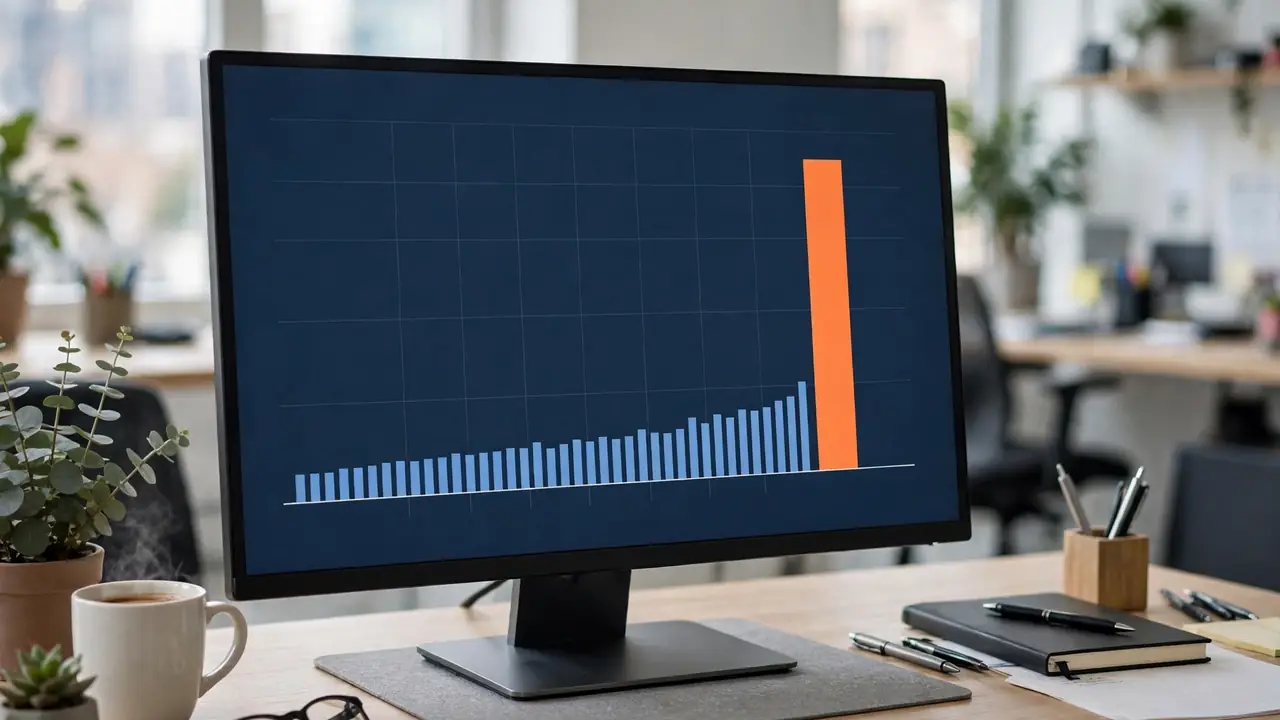
Let me show you why I abandoned low-ticket programs. To earn $5,000 a month on a $20 commission, you need 250 sales. At a generous 2% conversion rate, that’s 12,500 clicks — roughly 50,000+ monthly visitors. Now do the same math with a $500 commission: 10 sales. At a more realistic 0.5% conversion on expensive products, that’s 2,000 clicks — around 1,000–5,000 monthly visitors. High-ticket needs roughly 20x less traffic for the same income.
Realistic expectations matter too. High-ticket guides agree the timeline to consistent income is 6–12 months, and 5–10 sales a month can replace a full-time income. That’s not “get rich quick” — it’s a genuine business model. Statista reports US affiliate marketing spend passed $8.2 billion back in 2022 and has climbed every year since, and more than 80% of brands now run affiliate programs. Companies budget for these payouts because customers acquired through affiliates stick around. As Pat Flynn of Smart Passive Income puts it: “The best affiliate marketers focus on building systems, not chasing tactics.”
The 10 programs that pay $500+ per sale
Every program below is verified against its published 2026 terms. Commission rates and cookie windows can change, so always confirm the current terms on each program’s page before you promote.
1. Liquid Web — up to $7,000 per sale
Liquid Web is premium managed hosting, and its affiliate terms are the most generous I’ve ever seen: 150–300% of the monthly plan price, with top referrals paying up to $7,000 and a 90-day cookie. The catch? Your audience needs to be businesses or agencies buying serious hosting. If you write about WordPress development or run an agency blog, this is the single highest-paying program on this list.
2. Kinsta — up to $500 + 10% for life
Kinsta pays a one-time bonus of $50–$500 per referral plus 10% monthly recurring for the life of the customer, with a 60-day cookie. It gets both sides of the income equation: fast cash and lifetime revenue. Enterprise referrals here can reach five figures on annual plans. My full review covers whether it’s still worth promoting: Semrush Affiliate Program Review 2026 sits alongside Kinsta in the same hosting-adjacent battle, and comparing the two reviews helped me decide where my hosting content links point.
3. ClickFunnels — 40% recurring plus high-ticket back-end offers
The standard ClickFunnels program pays 40% recurring on funnel software with a 45-day cookie. The real money, though, is in their back-end: high-ticket events and coaching programs that pay $2,000–$5,000+ per sale. You need an audience of digital marketers and course creators, and you’ll convert best with an email list — not a banner ad.
4. HubSpot — up to $1,000 per sale or 30% recurring
HubSpot’s affiliate program is one of the most trusted in B2B. Depending on the tier, you can earn up to $1,000 per sale or 30% recurring commissions for up to a year, with a long 90–180-day cookie that suits HubSpot’s famously long sales cycle. Enterprise license referrals can push a single payout well past $5,000. Perfect if your audience is marketers, sales teams, or agencies.
5. WP Engine — $200+ per sale
WP Engine pays $200 or more per referral with a 180-day cookie — one of the longest tracking windows in the industry. It’s premium WordPress hosting, so it converts with web designers, developers, and agencies. The long cookie is a genuine advantage: expensive products take time to decide on, and WP Engine still credits you if the buyer returns months later.
6. Semrush — up to $300 per sale
Semrush restructured into “Semrush One” plus standalone toolkits, and the affiliate payouts follow the product: $300 per Semrush One sale (scaling to $450 at top volume tiers), $200 for the SEO toolkit, plus a $10 trial bounty — all on a 120-day cookie via Impact. It’s a one-time CPA structure, not recurring, but the flat numbers are among the highest in the SEO tools category. I reviewed the full deal here: Semrush Affiliate Program Review 2026: Is the $200-Per-Sale Deal Still Worth Promoting?
7. Authority Hacker — up to $1,500 per sale
Authority Hacker’s marketing education courses pay up to $1,500 per sale with a 60-day cookie. This is the pure digital-education play: the product is a premium course, the buyer is someone building an affiliate or content business, and the commission reflects the high price of transformation. It converts best on blogs and YouTube channels about making money online.
8. HighLevel — 40% recurring
HighLevel (GoHighLevel) is the agency CRM and automation platform, paying 40% recurring with a 90-day cookie. Do the math on an agency paying $297–$497 a month: that’s $119–$199 every month per referral. Agencies rarely churn once their client data lives in the platform, so this is one of the best lifetime-value plays on the list.
9. Fiverr — up to $1,000 per sale
Fiverr’s affiliate program pays up to $1,000 per sale on its business and pro services, with a 30-day cookie. It works because everyone already knows Fiverr — you’re not explaining what the product is, just pointing the right buyer (startups, creators, small businesses) at the right service category.
10. Villiers Jets — 30% profit share, lifetime
Yes, really: luxury private jet charters. Villiers pays a 30% profit share with lifetime attribution and a 365-day cookie. One charter booking can mean thousands in commission. The audience is tiny and ultra-specific — luxury travel bloggers, executive lifestyle channels — but if that’s your world, nothing else pays like it. It proves the high-ticket rule: the weirder and more expensive the niche, the less competition you’ll face.

The $500+ reality check: Most of these programs have an application process, and some require an established audience. Don’t apply to all ten today. Pick the ONE that matches the audience you already have, apply, and build a single great piece of content around it. Depth beats breadth in high-ticket.
How to choose the right one for your audience
Ask yourself three questions before you apply. What’s your niche? The best program is the one your audience already needs — promoting hosting to a cooking blog won’t work, however high the commission. Match your content: websites and hosting content suits Kinsta, WP Engine, Liquid Web; marketing and sales content suits HubSpot, Semrush, HighLevel; online-business and creator content suits ClickFunnels, Authority Hacker, Teachable.
Do you want one-time payouts or recurring income? One-time bounties (Semrush, WP Engine, Fiverr) pay fast but you must keep finding new customers. Recurring programs (Kinsta’s 10% for life, HighLevel’s 40%, ClickFunnels’ 40%) build a snowball — a 25% cut of a subscription your referral renews for two years is worth five times a single flat payout. How long is the cookie? Expensive products take longer to buy. HubSpot’s 180 days and WP Engine’s 180 days give you real protection; a 30-day cookie on a $2,000 product is a gamble.
And build where the buyers are. An email list converts high-ticket better than anything else — the buyer needs trust, and trust is built over emails, not banners. Pair your affiliate content with a lead magnet; my guide on starting a paid newsletter in 2026 covers the platform fee math if you go the newsletter route. For hosting-adjacent content, understanding the product helps enormously — my shared vs VPS vs cloud hosting guide is the exact background reading I’d give a new affiliate before promoting Kinsta or Liquid Web.

The mistakes that kill high-ticket earnings
Mistake one: promoting without using the product. High-ticket buyers research. They’ll smell a review written from a sales page in seconds, and one dishonest review burns the trust that took months to build. Use it, screenshot your own dashboard, show real results.
Mistake two: chasing the biggest number. A $7,000 Liquid Web payout means nothing if your audience buys $5/month shared hosting. A $200 Semrush sale to an SEO audience you already own will outperform it. Match the offer to the buyer, not to your greed. Mistake three: ignoring the cookie. That 24-hour Amazon-style window is brutal on $2,000 products — always check the cookie before you invest content in a program.
Mistake four: no disclosure. Affiliate disclosure isn’t optional — it’s the law in most countries and it’s basic honesty. A simple “I may earn a commission” line at the top of your post builds trust instead of breaking it. Watch out for scams in this space too; my step-by-step guide on how to spot phishing scams in 2026 is worth reading before you hand your email to every “affiliate network” that slides into your DMs.
Getting started this week
You can do this in seven days. Day one: pick ONE program from the list that matches your existing audience. Day two: apply (have a live site, a niche focus, and a disclosure page ready — most applications ask for all three). Days three to five: use the product and take screenshots. Days six and seven: publish one honest, in-depth review or comparison — the kind of article you’d want to read before spending $1,000 yourself.
Then start your email list. Even fifty subscribers who trust you beat five thousand casual visitors when the product costs four figures. The high-ticket game is won on relationships, not traffic. Ten sales a month at $500 each is a full-time income — and you don’t need to go viral to get ten sales. You need to be genuinely helpful to a small group of people with a real problem and a real budget.

Frequently asked questions
Is high-ticket affiliate marketing still worth it in 2026?
Yes — arguably more than ever. Advertisers keep raising payouts because affiliate-acquired customers retain well. The catch is that it takes 6–12 months of consistent content to see steady income, and you need genuine expertise in what you promote.
How much traffic do I need for high-ticket affiliate marketing?
Far less than low-ticket. Around 1,000–5,000 qualified monthly visitors can support 5–10 sales a month at $500+ commissions — enough for a full-time income. The visitors must be buyers, not browsers, which is why niche focus beats raw traffic.
Do I need a website to join high-ticket programs?
Almost always, yes. Most programs review your site or channel before approving you. A small but real site with a clear niche, a privacy policy, and an affiliate disclosure page is usually enough — it doesn’t need to be huge.
Are high-ticket affiliate programs legit or scams?
The programs on this list are established companies with published terms. Be cautious of any “high-ticket” offer that requires you to buy the product first to promote it, or that pays mainly for recruiting other affiliates — that’s the shape of a pyramid scheme, not affiliate marketing.
Should beginners start with high-ticket or low-ticket programs?
Start where your audience is. If you already have trust with buyers who spend real money (agencies, marketers, businesses), high-ticket can work from day one. If you’re starting from zero, many beginners learn the ropes on easier programs first — then graduate to high-ticket once they have proof and traffic.
How do taxes work on affiliate income?
Affiliate commissions are taxable income in most countries. Networks typically report payouts above thresholds to tax authorities. I’m not a tax advisor — talk to one in your country before the money gets serious.
Final thoughts
I still remember that $3.17 month. It wasn’t a failure — it was tuition. It taught me that effort isn’t the bottleneck in affiliate marketing; the economics of what you promote is. Ten sales a month changed my life in a way a thousand $3 commissions never could, and the work to earn those ten sales was honestly less — because I was helping real people make real decisions, not chasing clicks.
So here’s my challenge to you: pick one program from this list this week. Not ten. One. Learn it, use it, and write the review you’d want to read before spending your own $1,000. Congrats on reading this far — most people won’t. The ones who act on it are the ones who’ll be writing their own success story next year. Drop a comment and tell me which program you’re starting with — I read every one.
Published: October 23, 2026 · Updated: October 23, 2026
React to this story