Key Points
Key Points
- Dragon Ball Super: Beerus premiered in Japan on Fuji TV on 11 October 2026 at 11:15 p.m. JST, taking over the timeslot of One Piece.
- It is an enhanced edition/remake of Dragon Ball Super — new and redrawn cuts, updated animation, improved sound and a reconstructed narrative — not a new season.
- Episode 1 is titled 'The God Who Destroys'; Episode 2 airs 18 October, titled 'The God of Destruction Heads to the Planet of the Kai'.
- Koichi Yamadera returns as Beerus and Masako Nozawa voices Goku; the series is produced by Toei Animation and had its world premiere at New York Comic Con on 8 October.
- Streaming on Hulu and Crunchyroll from 11 October, Disney+ in the UK and France from 14 October, and Netflix US from 17 October; it has reached No. 4 on Disney+'s US TV chart.
On This Page
- A legend returns in a new form
- Subscribe to CAAW News
- A world premiere at New York Comic Con
- The voices behind the gods
- What “enhanced edition” actually means
- Where to watch around the world
- Storming the streaming charts
- Why the distinction matters
- The weight of the timeslot
- What to watch for in the coming weeks
- React to this story
A legend returns in a new form
The most famous anime franchise on the planet has a new chapter — or rather, a newly rebuilt old one. Dragon Ball Super: Beerus premiered in Japan on 11 October 2026, airing on Fuji TV and its affiliate stations at 11:15 p.m. JST. The series has taken over the late-night timeslot previously held by One Piece, whose last episode of the year aired on 27 September.
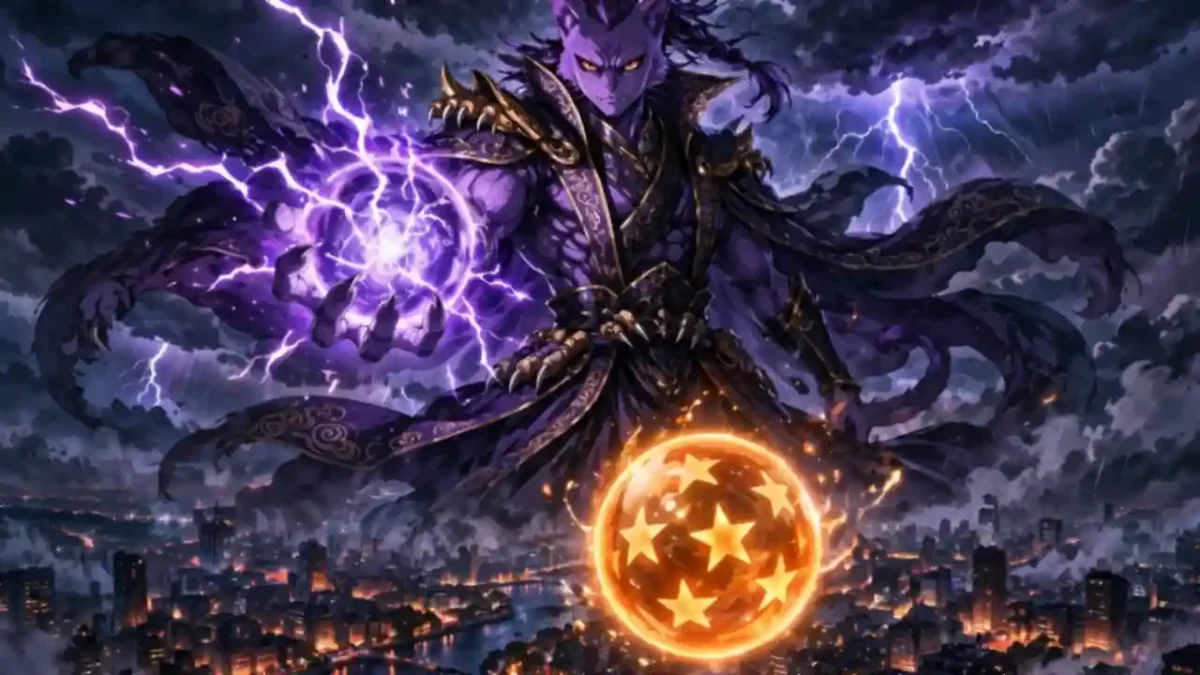
It is important to be precise about what this series is. Dragon Ball Super: Beerus is not a brand-new season of Dragon Ball Super. It is billed as an enhanced edition — effectively a remake of the original series — with new and redrawn cuts, updated animation, improved sound and a reconstructed narrative. The project begins with the Battle of Gods arc, the storyline that introduced the God of Destruction Beerus to the Dragon Ball universe.
According to reports, the series will also cover the Resurrection ‘F’ arc, with some outlets adding that the Universe 6 arc is included in the plans as well. The production is handled by Toei Animation, the studio that has been the home of Dragon Ball on screen since the beginning.
A world premiere at New York Comic Con
Before its Japanese broadcast debut, the series had its world premiere at New York Comic Con on 8 October, three days ahead of the Fuji TV broadcast. The early screening gave international fans the first look at the rebuilt animation and set the tone for a launch designed to feel like a global event rather than a domestic one.
Episode 1 carries the title “The God Who Destroys,” a fitting introduction to the character at the centre of the remake. Episode 2, scheduled for 18 October, is titled “The God of Destruction Heads to the Planet of the Kai,” which follows the story of Beerus’s arrival and his fateful encounter with Goku and the Z fighters.
The voices behind the gods
Two of the most recognisable voices in anime return for the remake. Koichi Yamadera reprises his role as Beerus, the feline God of Destruction whose debut in the Battle of Gods storyline revitalised the franchise more than a decade ago. Masako Nozawa, the legendary voice of Goku since the character’s earliest days, returns as the Saiyan hero.
Their return is significant. Nozawa has voiced Goku across every era of the franchise, and Yamadera’s Beerus has become one of the most beloved additions to the Dragon Ball canon. Hearing them perform these roles again — with updated animation and reconstructed storytelling around them — is a major part of the remake’s appeal.
What “enhanced edition” actually means
The distinction between a new season and an enhanced edition matters, and the production has been careful to make it clear. The original Dragon Ball Super television run was famously troubled in its early stages, with production schedules so tight that the animation quality of its first episodes became a talking point among fans. The Battle of Gods arc, in particular, retold a story that had already been seen in film form, and the television version suffered by comparison in places.
Dragon Ball Super: Beerus is the answer to that history. New and redrawn cuts replace the weakest material, the animation has been updated throughout, the sound has been improved, and the narrative has been reconstructed — tightened, re-paced and rebuilt for a modern audience. The result is intended to be the definitive version of the story: the same saga, told the way it deserves to be told.
For longtime fans, it is a chance to revisit the arc that brought Dragon Ball back to television with fresh eyes. For newcomers, it is arguably the best entry point the franchise has ever offered — the beginning of the modern Dragon Ball era, presented at its best.
Where to watch around the world
The streaming rollout for the series has been unusually aggressive, with the show available across multiple platforms in quick succession. In the United States, Hulu began streaming the series on 11 October, the same day as the Japanese broadcast. Crunchyroll is running its own simulcast from 11 October as well, with new episodes arriving every Sunday on both services.
Netflix announced on 1 October that it would add the show in the US on Saturday, 17 October — six days after the Japanese debut. The staggered Netflix arrival gives the series a second wave of attention in the American market, as the platform’s enormous subscriber base discovers it fresh.
Beyond the US, Disney+ is streaming the series in other regions, including the UK and France, from 14 October. The multi-platform strategy means that within a week of its Japanese premiere, the remake is available to the vast majority of the global anime audience — a distribution footprint that reflects the franchise’s status as a worldwide phenomenon.

Storming the streaming charts
The strategy is already paying off. Within days of its launch, the series reached No. 4 on Disney+’s US television chart — a remarkable achievement for an anime remake competing against the full weight of Western streaming originals.
Ahead of it on the chart were three very different propositions: No. 1 was Family Guy Happy Hell-o-ween, No. 2 was Coven Academy, and No. 3 was Cartoonified! With Kiff. That a Japanese anime remake sits directly behind those titles on one of the biggest streaming platforms in the world speaks to the enduring, almost gravitational pull of the Dragon Ball brand.
The chart performance is particularly notable because it came within days of launch, before the Netflix US debut on 17 October had even happened. With Netflix’s audience still to come, and new episodes arriving weekly, the series has a clear runway to climb higher.
Why the distinction matters
It would be easy to dismiss Dragon Ball Super: Beerus as a simple retread, but that would miss the point of the project. The Dragon Ball franchise has always been willing to revisit and refine its own history — from the various recuts and remasters of Dragon Ball Z to the films that reimagined key storylines. Each generation of fans has received its own definitive version of the saga.
This remake arrives at a moment when the franchise is between major new chapters, and it serves multiple purposes at once: it repairs the most criticised stretch of the modern television run, it gives new viewers a polished entry point, and it keeps the world’s most recognisable anime property in the weekly conversation.
With Beerus himself — the character who ushered in the era of gods, multiverses and tournaments — at the centre of it all, the remake is both a celebration of how far Dragon Ball has come and a reminder of the story that started it all. New episodes arrive every Sunday. The God of Destruction has returned, and this time, he looks better than ever.
The weight of the timeslot
The broadcast details tell their own story about how seriously Fuji TV is taking this launch. The 11:15 p.m. JST slot on Saturday nights is prime late-night anime real estate, and handing it directly from One Piece — the other pillar of the modern shonen landscape — to Dragon Ball Super: Beerus is a statement of intent. The two franchises have defined Japanese mainstream anime for a generation, and the seamless handover keeps the momentum of the timeslot intact.
One Piece’s last episode of the year aired on 27 September, giving the schedule a two-week breathing space before the Dragon Ball remake took over on 11 October. The timing also positions the series perfectly for the autumn season, when anime viewership traditionally peaks and new shows compete hardest for attention.
What to watch for in the coming weeks
The immediate schedule is clear: Episode 2, “The God of Destruction Heads to the Planet of the Kai,” arrives on 18 October, continuing the story of Beerus’s search for the Super Saiyan God. Beyond that, the key question for fans is how the remake handles the arcs to come. Reports indicate that the Resurrection ‘F’ storyline will be covered, with some outlets suggesting the Universe 6 arc will follow.
Each of those arcs presents the remake team with the same opportunity they had with Battle of Gods: to take stories that fans already know and love, and present them with the polish, pacing and visual quality they always deserved. If the chart performance of the first week is any indication, audiences are more than ready to watch it happen — one Sunday at a time.
React to this story