
Key Points
Key Points
- The national aggregate home price fell 0.8% YoY to $810,000 in Q3 2026 (Royal LePage); detached homes -0.5% to $856,500, condos -1.5% to $571,900.
- The Greater Toronto Area is down 3.7% YoY to $1,073,100 — the correction is concentrated where the pandemic frenzy ran hottest; Prairies remain resilient.
- The US-Canada trade war froze the market: August 2026 brought 50% US tariffs, broken negotiations, and buyers too uncertain to act despite better choice and prices.
- The CMHC reversed its forecast mid-year, now projecting 457,200 sales (down from 470,314) — admitting 'price reductions have not yet been enough.'
- Buyers hold the best hand in years — more inventory, more negotiating power — and are using it to wait: the opportunity is there, the confidence is elusive.
- Forecasters point to 2027: RBC sees transactions up 6.7% and prices up 0.8% — a modest recovery, contingent on trade tensions easing and rates cooperating.
On This Page
- What you’ll learn in this article
- The $810,000 question: prices are falling — just barely
- Subscribe to CAAW News
- Why buyers won’t budge: the tariff-sized elephant
- Toronto vs the Prairies: a market split in two
- The inventory paradox: more choice, less action
- 2027: the recovery everyone keeps predicting
- What this means for you
- Frequently asked questions
- Are Canadian home prices actually falling in 2026?
- Why aren’t lower prices bringing buyers back?
- Which Canadian cities are seeing the biggest price drops?
- Is 2026 a good time to buy a house in Canada?
- When will Canada’s housing market recover?
- How do US tariffs affect Canadian house prices?
- Final thoughts
- React to this story
Let me ask you something. If I told you Canadian home prices fell this year, would you believe me? After a decade of bidding wars, blind offers, and prices that only went one direction, the idea feels almost un-Canadian. But the numbers don’t lie: the national aggregate home price slipped 0.8 per cent to $810,000 in the third quarter of 2026. The Greater Toronto Area — the market that defined the frenzy — is down 3.7 per cent. So yes, prices are falling. The real question is whether anyone’s buying. And the answer, honestly, is: not really.
Why trust this? Every figure comes from the sources that actually track Canadian housing: Royal LePage’s Q3 2026 House Price Survey, the CMHC’s mid-year Housing Market Outlook, and RBC Economics’ mid-year analysis. Linked throughout, so check me.
What you’ll learn in this article
- The $810,000 question: prices are falling — just barely
- Why buyers won’t budge: the tariff-sized elephant
- Toronto vs the Prairies: a market split in two
- The inventory paradox: more choice, less action
- 2027: the recovery everyone keeps predicting
- What this means for you

The $810,000 question: prices are falling — just barely
Let’s get the headline numbers straight, because the details matter more than the headline. According to the Royal LePage House Price Survey released October 15, 2026, the aggregate price of a home in Canada decreased 0.8 per cent year over year to $810,000 in Q3 2026. On a quarter-over-quarter basis, it dipped 0.6 per cent.
Broken down by type: the national median price of a single-family detached home fell 0.5 per cent to $856,500, while the median condo price dropped 1.5 per cent to $571,900. These are real declines — but they’re modest, orderly declines, not a crash. Nobody’s underwater. Nobody’s panicking. The market is, in Royal LePage president Phil Soper’s perfect phrase, “treading water.”
“The Canadian housing market has spent the past three months treading water, with home prices largely flat and national sales volumes on track to finish 2026 slightly below even the sluggish pace of 2025,” Soper said. Read that again: slightly below even the sluggish pace of 2025. We’re not watching a collapse. We’re watching a market that can’t find its pulse.
Here’s the thing that surprised me: the CMHC — Canada’s own housing agency — actually reversed its forecast mid-year. In February it expected sales and prices to rise. By July, it was projecting 457,200 home sales in 2026, down from 470,314 in 2025, with the average selling price falling to $675,200 from $679,543. “Price reductions have not yet been enough to bring demand back into the market,” said Kevin Hughes, the agency’s deputy chief economist. When the national housing agency admits cheaper prices aren’t working, you know something deeper is going on. It’s the same uncertainty trade driving gold’s safe-haven rally — capital hiding from risk, not chasing opportunity.
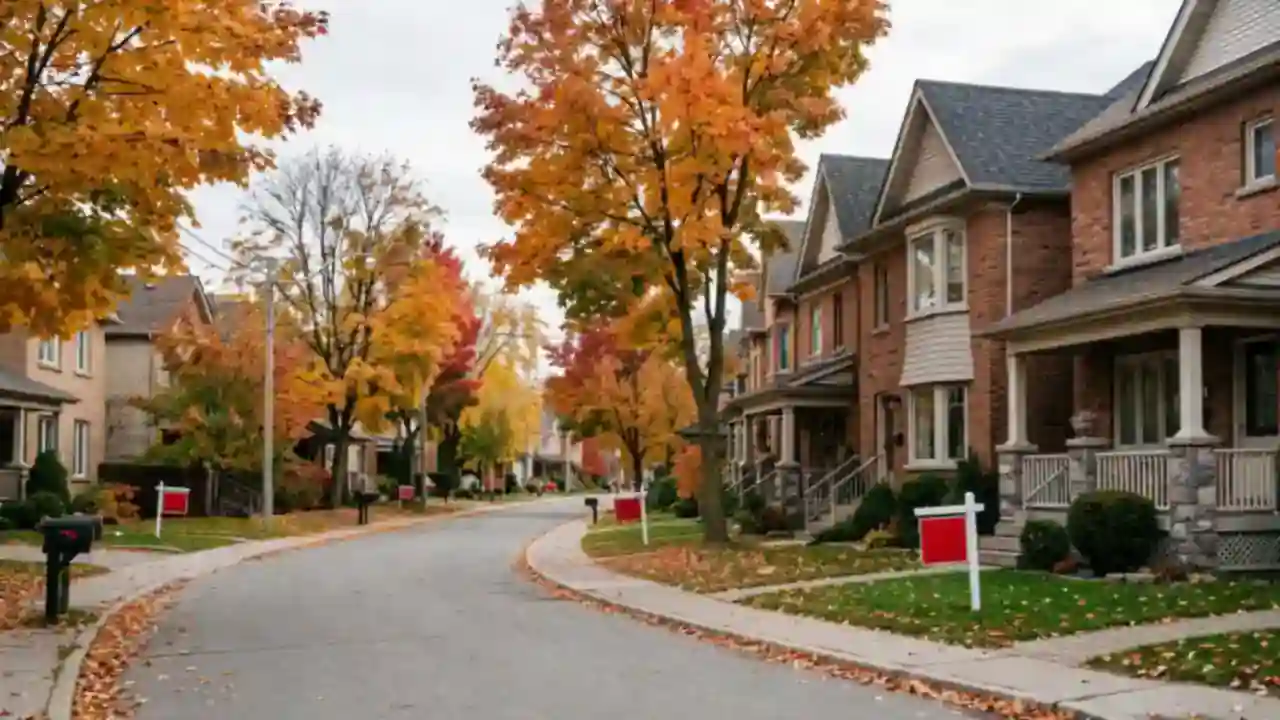
Why buyers won’t budge: the tariff-sized elephant
So prices are down, there’s more choice than buyers have seen in years — and still nobody’s buying. Why? Because the biggest force in Canadian housing in 2026 isn’t housing at all. It’s trade.
The US-Canada trade dispute has become the market’s dominant weather system. Negotiations broke down on August 21, 2026, with no further talks scheduled. The following day, the United States announced a 50 per cent tariff on billions of dollars in Canadian goods — wine, furniture, dairy, cement, clothing — layered on top of existing levies on automotive, steel, aluminum and lumber exports. Ottawa retaliated with counter-tariffs. The US responded with an import ban on certain Canadian products. CUSMA technically remains in force until 2036, but it’s entered an annual review period wrapped in uncertainty, Wealth Professional reported. And with US inflation jumping to 3.7 per cent, the rate pressure isn’t easing from the south either.
Now connect the dots. Tariffs threaten jobs in manufacturing, autos, steel, lumber — the industries that employ the people who buy houses. Add the CMHC’s note that the ongoing US-Iran conflict is forecast to temporarily lift inflation, plus slower population growth and elevated borrowing costs, and you get a buyer who’s thinking: why would I take on the biggest debt of my life right now?
Soper nailed the psychology: “Autumn, the second-busiest season of the year, typically injects energy into the market. This year, economic uncertainty and concern that mortgage rates could move materially higher are keeping would-be buyers on the sidelines.” And a Toronto broker, Shawn Zigelstein, put it even more plainly: “It’s exactly what we expected the entire year… We have not seen a jump. We have not seen a drop. It has just been very flat.”
Toronto vs the Prairies: a market split in two
Here’s something the national average hides: Canada doesn’t have one housing market in 2026. It has at least two.
The Greater Toronto Area recorded a year-over-year decline of 3.7 per cent, with the aggregate home price falling to $1,073,100 in Q3 — and down 2.6 per cent just since Q2. Toronto is where the pandemic-era excess was concentrated, and it’s where the correction is biting hardest. Condos nationally are down 1.5 per cent, and the pain is sharpest in the big-city apartment towers that were built for investors who’ve now vanished.
Meanwhile, the Prairie provinces proved more stable and resilient through the summer, per Royal LePage’s regional breakdown. Cheaper markets with real local economies — less exposed to the tariff crossfire, less inflated by the pandemic frenzy — are holding their ground. Ontario and British Columbia, as RBC Economics notes, carry “a deep mark on sentiment” from their prolonged corrections that “will take time to heal.”
I find this split genuinely important. If you’re reading national headlines about “Canadian housing,” you’re reading an average of two different realities. The question isn’t whether Canada’s market is falling — it’s which Canada you live in. The divide mirrors the broader North American picture, where household finances are stretched on both sides of the border.
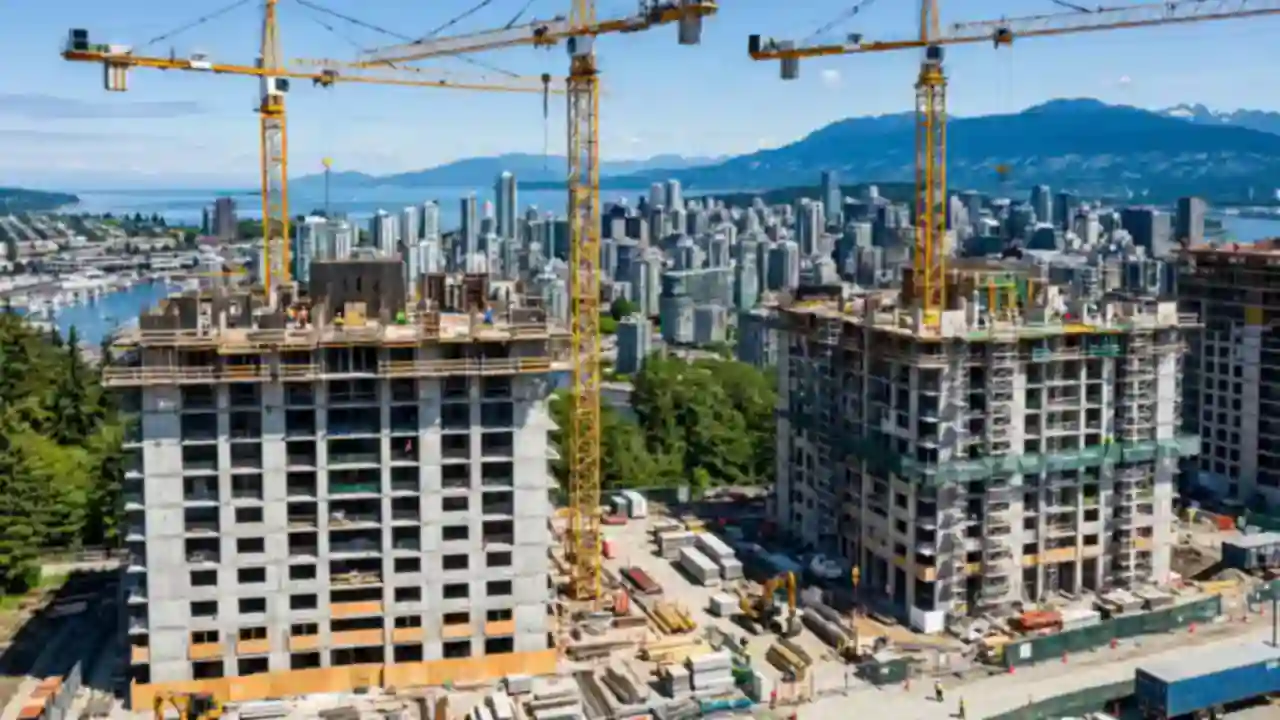
The inventory paradox: more choice, less action
This is my favourite weird fact about 2026. For the first time in years, buyers have advantages that were hard to imagine during the pandemic-era frenzy: prices have retreated from their peaks in most markets, and a larger selection of homes for sale gives buyers more time, more choice and greater negotiating power. After years in which scarce inventory forced buyers to compete fiercely, today’s market offers room to be selective.
And buyers are using that room… to wait. That’s the paradox. More choice should mean more transactions. Instead, sales are flatlining. As Soper put it: “The opportunity is there; the confidence to act remains elusive.”
RBC’s economists see the mechanics clearly: home resales have actually been on a winning streak since April, inventory has levelled off, and prices appear to be stabilising or at least falling more slowly. They think there are hundreds of thousands of Canadians who put buying plans on hold over the past several years as ownership costs spiked — many living longer than they’d like in rented accommodation. That pent-up demand is real. It’s just waiting for a reason to move. Improved affordability and brightening job prospects could unlock it. But “could” is the operative word, and 2026 hasn’t delivered the trigger.
Meanwhile, builders are pulling back. The CMHC expects housing construction to “remain suppressed as the industry factors in today’s elevated inventories and weaker demand.” So the inventory overhang gets worked down slowly, new supply slows, and the market drifts sideways. Nobody’s building for a boom that hasn’t arrived.

2027: the recovery everyone keeps predicting
Every forecaster agrees on one thing: 2026 is a write-off, and 2027 is when things turn. The question is how much you believe them.
RBC projects the turnaround becomes visible in 2027: transactions growing 6.7 per cent to 483,600 units, with the benchmark price edging 0.8 per cent higher to $800,700. For 2026 itself, they project resales down 3.6 per cent to 453,200 units and the benchmark price down 2.3 per cent to $794,200 — “mainly reflecting weakness this winter and early spring.”
Read the fine print, though: “An upturn of this magnitude won’t be transformative while welcome. The general tone of Canada’s market will still be soft with our resales projections far below levels before the pandemic and home values just a smidgeon above the cyclical low.” That’s RBC describing its own optimistic scenario. The recovery they see is real but modest — a market crawling out of a hole, not sprinting.
And the recovery has conditions. It needs the trade war to stop escalating. It needs mortgage rates to cooperate — remember, buyers are explicitly worried rates “could move materially higher,” a fear amplified by the rate-hike chatter we’ve been tracking south of the border. It needs job prospects to brighten enough to unlock that pent-up demand. If any of those break wrong, 2027 looks a lot like 2026.
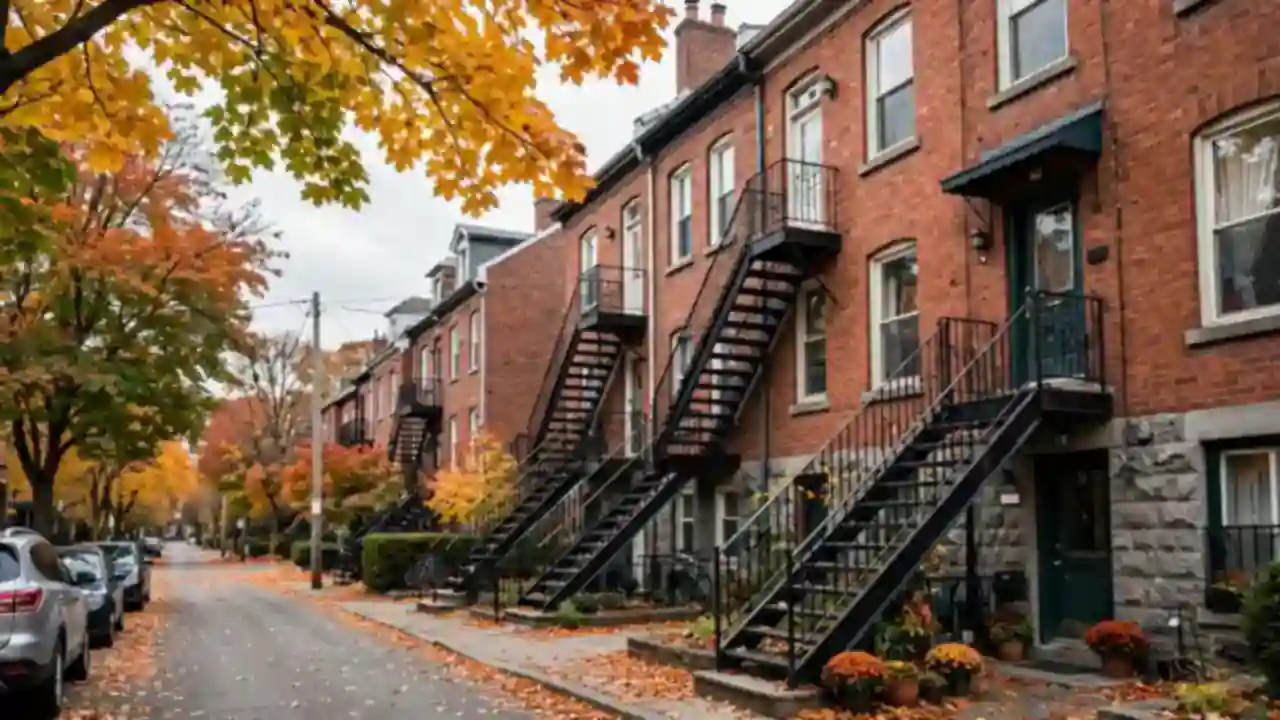
What this means for you
If you’re a buyer: this is genuinely the best buying environment in years — more choice, more negotiating power, prices below peak. But don’t confuse a buyer’s market with a bargain market. Prices are falling slowly, not crashing, and the trade war could still hit your job before it hits your mortgage rate. Buy because the home is right, not because you think you’ve timed the bottom. Nobody times the bottom.
If you’re a seller: the data is blunt — price reductions alone aren’t moving the needle. If you need to sell, price realistically from day one and make the property shine; stale listings in a flat market just go staler. And if you don’t need to sell, there’s no shame in waiting for 2027.
If you’re an investor: condos are the weakest segment (down 1.5 per cent nationally, worse in Toronto), and elevated inventories mean rental competition is rising. The broader household-debt picture suggests caution on leverage. Cash-flow the deal at today’s rates, or don’t do the deal.
Frequently asked questions
Are Canadian home prices actually falling in 2026?
Yes, modestly. The national aggregate price fell 0.8 per cent year over year to $810,000 in Q3 2026, per Royal LePage. The Greater Toronto Area is down 3.7 per cent. But this is a gentle slide — not the crash some predicted and others hoped for.
Why aren’t lower prices bringing buyers back?
Uncertainty. The US-Canada trade war (50 per cent tariffs announced in August 2026), fears that mortgage rates could rise, slower population growth and modest income gains have buyers frozen. As the CMHC put it: “Price reductions have not yet been enough to bring demand back into the market.”
Which Canadian cities are seeing the biggest price drops?
The correction is concentrated in Ontario and British Columbia — the markets that ran hottest during the pandemic. The GTA is down 3.7 per cent year over year. Prairie markets have been notably more stable and resilient.
Is 2026 a good time to buy a house in Canada?
It’s the best buyer’s market in years: more inventory, more negotiating power, prices below peak. But “buyer’s market” doesn’t mean “bargain.” Buy for the right home at a price you can afford if rates move against you — don’t try to time the bottom.
When will Canada’s housing market recover?
Forecasters point to 2027. RBC projects transactions up 6.7 per cent and benchmark prices up 0.8 per cent next year — a modest recovery, still far below pre-pandemic levels. But it depends on trade tensions easing and mortgage rates cooperating — the rate outlook will decide as much as any housing policy. If those break wrong, the wait continues.
How do US tariffs affect Canadian house prices?
Indirectly but powerfully. Tariffs on autos, steel, aluminum, lumber and more threaten Canadian jobs and business investment, which saps the consumer confidence that drives home purchases. Royal LePage directly blames the fresh round of August 2026 tariffs for Q3’s flatlined sales.
Final thoughts
I’ll be honest: I started this article hoping to give you a clean answer — yes, prices are falling, or no, they’re not. The truth is messier and, I think, more useful. Prices are falling just enough to matter and just slowly enough that nobody feels rescued. Buyers have the best hand they’ve held in a decade, and they’re folding anyway, because confidence — not price — is the currency that actually moves housing markets.
Congratulations on making it through the numbers — you now understand Canada’s housing market better than most of the people arguing about it online. And here’s my genuine take: the 2026 market isn’t broken. It’s rational. When the world feels this uncertain, waiting is the smart move. The question is what finally makes everyone stop waiting.
What do you think — would you buy in this market, or are you waiting for 2027? Tell me in the comments. I read every one.
Published: 23 October 2026 · Updated: 23 October 2026
React to this story