Key Points
Key Points
- EVA training starts in the classroom with procedures and contingency drills
- Neutral buoyancy pool training gives 5-7 hours underwater per spacewalk hour
- Tools and tethers are rehearsed so nothing drifts away in orbit
- VR and gravity-offload rigs support, but do not replace, pool training
- Artemis lunar training adds walking, geology, and harsh-light practice
- The NBL has been NASA's flagship EVA facility since 1997
On This Page
- Subscribe to CAAW News
- Table of Contents
- What a spacewalk really is, and why it is so hard
- How classroom training builds the safety habit first
- Why astronauts spend so many hours underwater
- How tools, tethers, and teamwork are rehearsed
- How virtual reality and partial-gravity rigs help
- How Moon training in 2026 is different from station training
- What a training week actually feels like
- Frequently Asked Questions
- How long does it take to train for a spacewalk?
- Why do astronauts train underwater instead of in space?
- Is underwater training a perfect simulation of space?
- What is the hardest part of spacewalk training?
- How is Artemis Moon training different?
- Do astronauts train for emergencies during spacewalks?
- Final Thoughts
- React to this story
I have never floated in space, and I will be honest about that right away, because the first time I watched a spacewalk live I was sitting on my sofa in my pyjamas, clutching a mug that had gone cold, and I still felt my stomach drop when the astronaut let go of the handrail. I am not an astronaut, but I have spent weeks reading NASA training material, watching EVA footage, and talking through the details with people who explain this stuff for a living, so I can walk you through it in plain language. If you have ever wondered how anyone stays calm, safe, and useful while floating outside a spacecraft at 28,000 kilometres an hour, you are not alone, and that worry is exactly why training is so long and so careful. In this guide I promise you a clear, step-by-step look at how astronauts train for spacewalks in 2026, from the classroom to the giant pool to the Moon-ready drills, so that by the end you will understand not just what they do, but why every single drill exists. This is for curious readers, students, and space fans who want the real process, not the movie version, so let us start at the beginning, together.
Trust nudge: I have checked the key training facts below against NASA and specialist spacewalk guides, and I link the claim text itself to those sources so you can verify anything that surprises you.
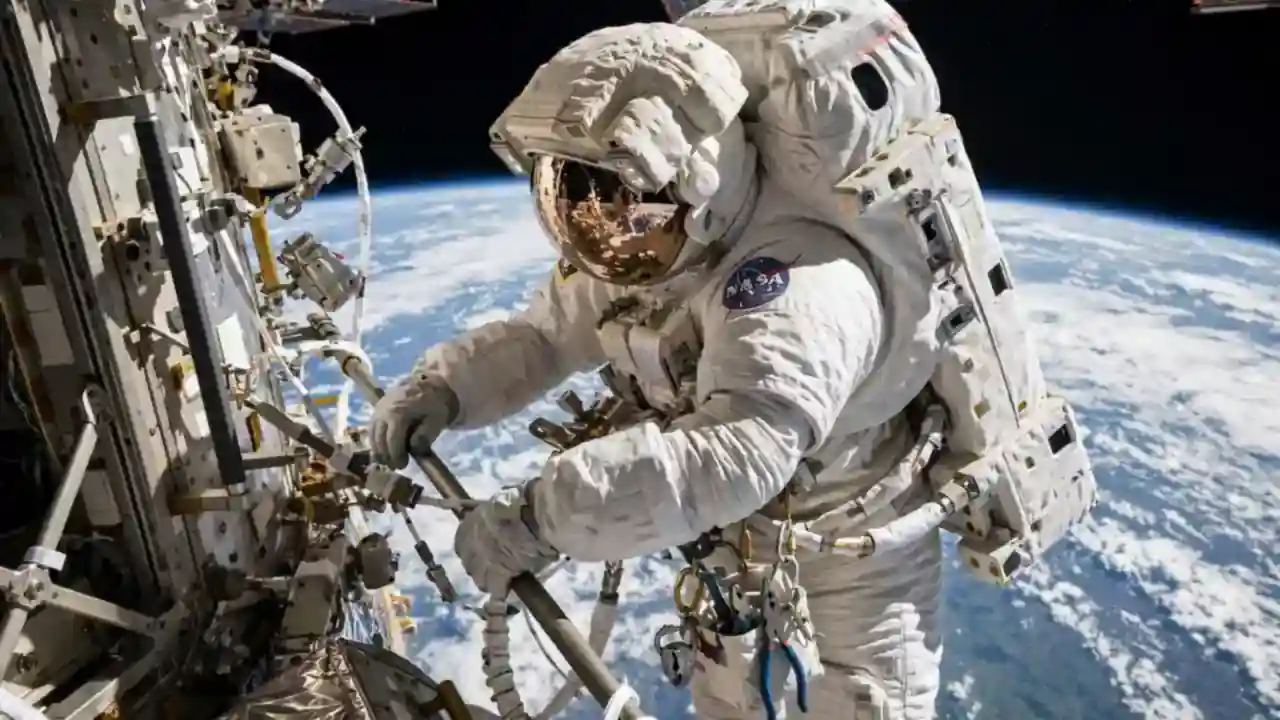
Table of Contents
- What a spacewalk really is, and why it is so hard
- How classroom training builds the safety habit first
- Why astronauts spend so many hours underwater
- How tools, tethers, and teamwork are rehearsed
- How virtual reality and partial-gravity rigs help
- How Moon training in 2026 is different from station training
- What a training week actually feels like
What a spacewalk really is, and why it is so hard
I used to think a spacewalk was basically a float around outside, like a swim with a better view, and I was completely wrong. A spacewalk, or extravehicular activity (EVA), means working outside a spacecraft in a pressurised suit while the station races around Earth, and every simple job becomes a puzzle. There is no up or down you can trust, no air to carry sound, and no chance to just put a tool down on a table, because anything you let go of will drift away. The suit itself is a small spacecraft, stiff, heavy on Earth, and full of life-support systems you must understand, so even bending your fingers takes real effort.
That is why I now respect spacewalkers so much more than I did before I researched this. When NASA describes its Artemis EVA training lead and the new lunar work ahead, it is clear that spacewalking is not a stunt, it is a craft built on repetition. The danger is not just the vacuum outside, it is fatigue, cold, heat, glare, and the slow creep of small mistakes, and training is designed to catch those mistakes on Earth, where they cost embarrassment instead of lives. So if you ever watch an EVA and think it looks easy, remember that ease is the whole point of the training, and it was earned hour by hour.
How classroom training builds the safety habit first
I made the mistake early on of skipping straight to the pool photos, because they look exciting, but the classroom is where spacewalking really starts. Before anyone gets wet, astronauts learn procedures, timelines, and contingency responses, building familiarity with tools, hardware, and decision logic, as a detailed EVA training guide explains. That sounds dry, and honestly some of it is, but I have come to see it as the safety net under everything else. When something goes wrong in orbit, there is no time to learn a procedure from scratch, so it has to already be in your head and your hands.
Think of it like learning to drive before you join a motorway, only with far higher stakes. Astronauts study the suit systems, the airlock sequence, the communication calls, and the abort options until the words feel boring, and boring is good here. They practise talking clearly under pressure, because Mission Control needs short, exact reports, not panicked descriptions. I try to do the same thing when I learn something hard: I write the steps down, I say them out loud, and I test myself before I trust myself, and that habit, simple as it sounds, is the backbone of EVA safety.
Why astronauts spend so many hours underwater
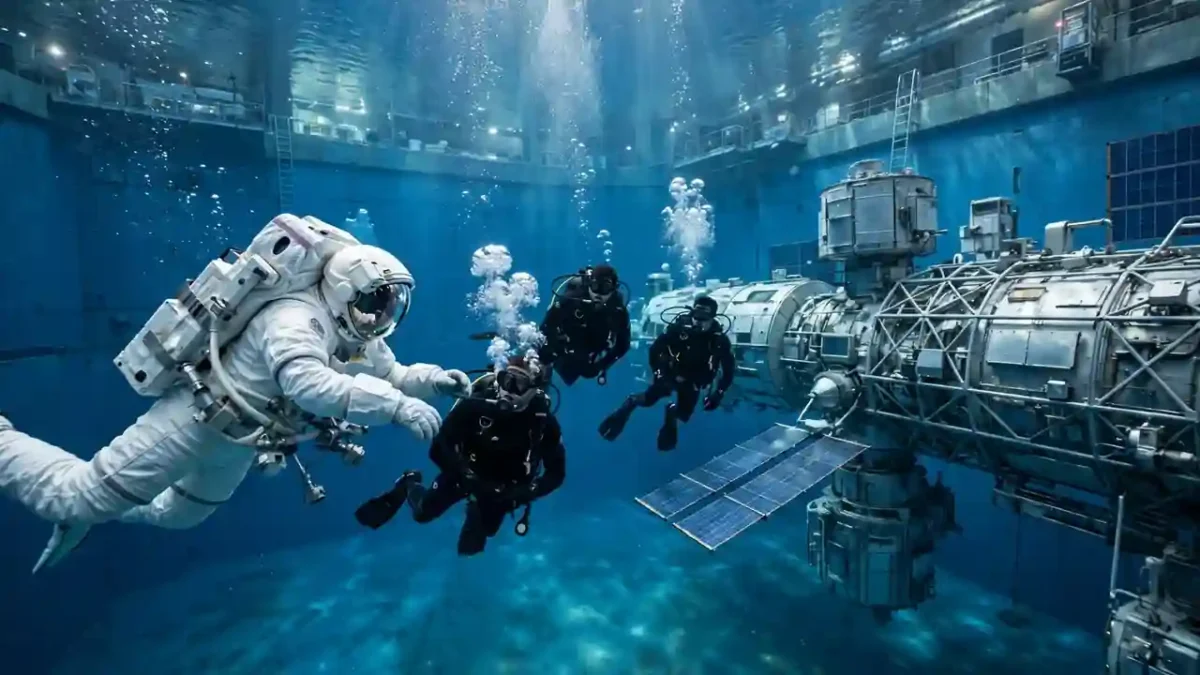
The famous part of training happens in a giant pool, and I still find the scale hard to believe. Neutral buoyancy training takes place in facilities such as NASA’s Neutral Buoyancy Laboratory in Houston, where full-scale station mock-ups sit underwater and astronauts rehearse in modified suits. The pool holds about 6.2 million gallons of water, according to multiple training guides, and it is 202 feet long, 102 feet wide, and 40 feet deep. Support divers add weights and foam until the astronaut neither sinks nor floats, which is the closest sustained approximation to weightlessness we can make on Earth, even though water drag means it is never perfect.
Here is the number that stopped me in my tracks: as a rule of thumb, every hour of spacewalk time equates to around five to seven hours submerged in the pool. Some guides put the range at six to ten hours, which tells you the exact figure varies by task, but the message is the same, and it is humbling. A six-hour spacewalk can mean thirty or more hours underwater, spread across many sessions, plus briefings and debriefs around each one. I used to complain about a long afternoon of rehearsal for a presentation, and now I think about astronauts doing the same bolt, in the same suit, for the tenth time, while divers watch every move. That repetition is not wasted time, it is how the body learns to move efficiently when it is tired, and efficiency is safety when oxygen and daylight are limited.
How tools, tethers, and teamwork are rehearsed
I love this part, because it is so practical, and it cured me of my Hollywood idea of spacewalking. Astronauts rehearse entering and exiting the suit and the airlock, swapping tethers, moving along handrails, and using tools without letting them slip, and every tool is attached to the suit so it cannot drift away the moment it is released. That tether discipline sounds small until you imagine dropping your only wrench during a repair, with no shop to visit and no second chance that day. In the pool, divers help with buoyancy and tool handling, but the astronaut must still do the work, and instructors record mistakes so they can be fixed before flight.
Teamwork is rehearsed just as carefully, and this is the part I wish more workplaces copied. One astronaut works outside while a crewmate helps from inside, and Mission Control follows a timeline, so everyone must speak the same short language. They practise what to do if a glove feels odd, if a tether snags, or if a task runs long, because real spacewalks rarely follow the plan perfectly. I have learned from my own projects that the plan is only half the job, and the other half is how calmly you handle the moment the plan breaks. Astronauts train for that moment deliberately, again and again, until calm becomes a habit rather than a hope.
How virtual reality and partial-gravity rigs help
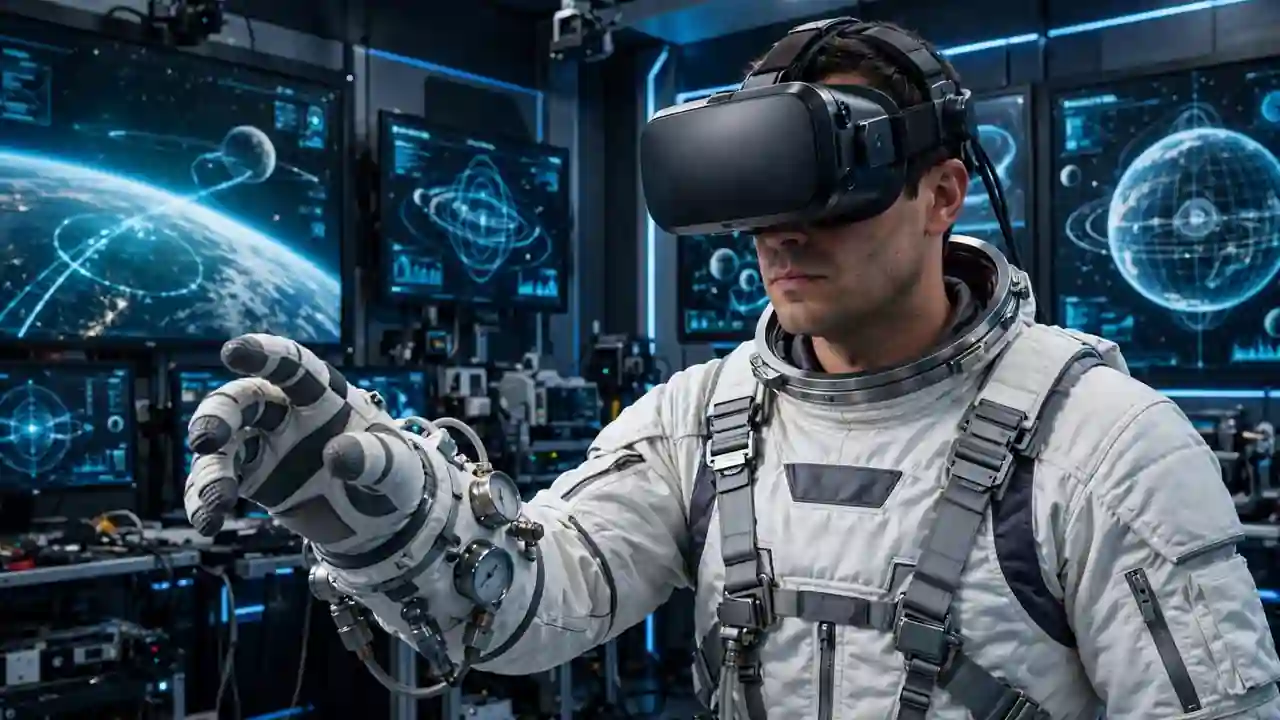
Pool time is precious and expensive, so I was glad to learn that virtual reality now does a lot of the early heavy lifting. VR lets astronauts practise lighting, equipment layouts, and emergency scenarios without booking pool time, and it gives instant feedback on technique and timing. It cannot replace the physical feel of a stiff suit in water, but it can teach the sequence, the sightlines, and the communication calls, so that pool sessions are spent refining rather than discovering. NASA also mixes VR with partial-gravity simulators such as POGO and ARGOS, which offload weight and help astronauts learn how movement changes when gravity is reduced.
I think of VR training like a flight simulator for pilots, and I have used simulators myself for far simpler skills, so I understand the appeal. You can fail safely, rewind, and try a harder version, and that freedom makes you braver about asking what could go wrong. The limit matters too, though, and good trainers say it out loud: VR does not teach you how tired your arms get, or how water drag lies to you about momentum. That honesty is why the best programmes blend methods, using each tool for what it does best, and never pretending one rehearsal replaces them all.
How Moon training in 2026 is different from station training
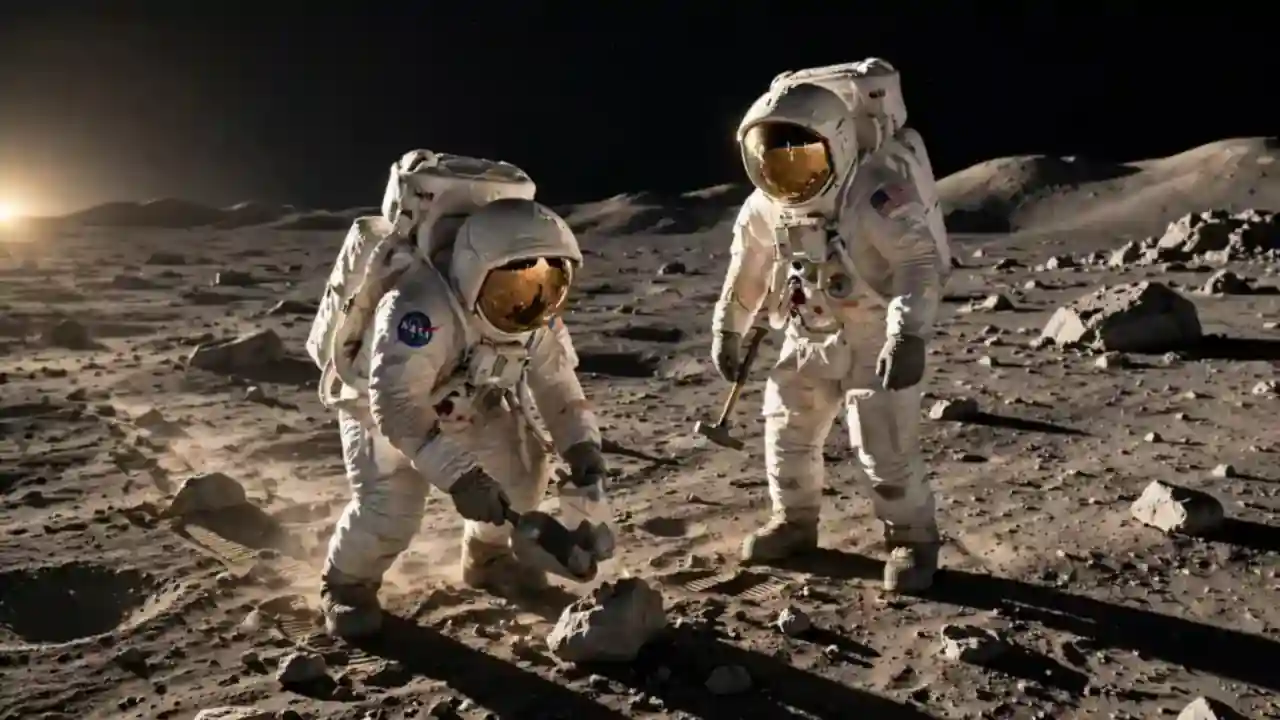
This is where 2026 gets genuinely exciting, and where my old understanding had to change. Station spacewalks mostly involve translating with the hands along rails, but lunar EVAs will involve walking, so astronauts need a completely new suit, new vehicles, and a new environment, as NASA’s Artemis EVA training lead explains. The curriculum now integrates geology, including impact cratering, volcanology, sample collection, and traverse planning, because lunar astronauts must be effective field scientists as well as suit operators. That is a big shift, and I admire it, because it treats the Moon as a place to study, not just a place to visit.
To build these skills, the team uses the Neutral Buoyancy Laboratory, which has been NASA’s flagship EVA facility since it opened in 1997, alongside the Active Response Gravity Offload System for suited mobility practice, virtual reality, lighting laboratories that simulate harsh South Pole lighting, field sites for geology, and suit simulators for caution-and-warning scenarios. I love the lighting labs most, because they capture a problem I had never considered: at the lunar South Pole, shadows are long, black, and confusing, and a rock you need might sit in darkness while the ground beside it glares. Training for that is not glamorous, but it could decide whether a sample is collected safely, and it shows how 2026 training is built around real places, not generic space.
What a training week actually feels like
I will not pretend I have lived a training week, because I have not, but I can piece together the shape of one from the sources above, and it is more ordinary, and more gruelling, than the films suggest. There are briefings, suit checks, pool runs that last hours, debriefs where every fumble is discussed without blame, classroom sessions, fitness work, and robotics practice with systems like Canadarm2. Astronaut candidates also train in Mission Control shifts, survival exercises, and field geology, because a spacewalker is never just a pair of hands outside a hatch. The work is physical, yes, but I think the mental load is heavier: staying focused, staying kind to your crewmates, and staying precise when you are tired.
If you are dreaming of this path, my honest advice, based on everything I read, is to build the boring strengths first. Learn a technical skill deeply, learn to work in a team under stress, learn to communicate in short clear sentences, and learn to love repetition, because repetition is where mastery lives. You do not need to be fearless, and in fact fearlessness without discipline is dangerous here. You need to be careful, curious, and willing to be corrected, and those are strengths any of us can practise in ordinary life, starting today.
Key takeaway: Spacewalk training is not one big test, it is hundreds of small rehearsals, in the classroom, in the pool, in VR, and in the field, until safe movement becomes automatic. The pool ratio alone, roughly five to seven hours underwater for every hour outside, tells you how seriously NASA takes preparation, and the new lunar training shows that 2026 is about walking and doing science on the Moon, not just floating beside a station.
Frequently Asked Questions
How long does it take to train for a spacewalk?
There is no single number, because training builds over years of astronaut preparation, then focuses on a specific mission for many months. Pool rehearsals alone run many hours per planned EVA hour, and classroom, VR, and field work add much more time on top.
Why do astronauts train underwater instead of in space?
Neutral buoyancy in a pool is the closest sustained approximation to weightlessness available on Earth. It lets astronauts practise full tasks in a real suit on a full-scale mock-up, with divers and instructors close by, which would be impossible to do safely as a first attempt in orbit.
Is underwater training a perfect simulation of space?
No, and trainers are honest about that. Water drag slows movement and changes momentum, and the suit feels different in water than in vacuum. That is why VR, gravity-offload rigs, lighting labs, and field training are used alongside the pool.
What is the hardest part of spacewalk training?
Many astronauts point to stamina and precision together: the suit is stiff, the gloves tire your hands, and tasks must stay exact even when you are tired. Communication and tether discipline are just as demanding, because a small slip can become a big problem.
How is Artemis Moon training different?
Station EVAs mostly use hand translation, while lunar EVAs involve walking in a new suit, in harsh South Pole light, while doing geology. Training therefore adds field science, traverse planning, and mobility practice that station training did not need in the same way.
Do astronauts train for emergencies during spacewalks?
Yes, constantly. They rehearse suit warnings, tool problems, tether issues, and timeline changes, in VR, in suit simulators, and in the pool, so that emergency responses are practised habits rather than improvised guesses.
Final Thoughts
When I started this guide, I thought spacewalk training was mostly about being brave enough to step outside, and I was wrong in the best possible way. It is about being prepared enough that bravery is rarely needed, because the steps, the tools, the team, and the backups are already familiar. That is a beautiful idea, and it applies far beyond space: we do our best work not when we improvise brilliantly, but when we have rehearsed the hard parts so well that we can stay calm and kind when they arrive. If you watched a spacewalk and felt awe, you were right to feel it, and now you know what sits behind that calm floating figure. Congratulations for reading to the end, you now understand EVA training better than most viewers ever will, and I would love to hear in the comments which part surprised you most, the pool hours, the lunar geology, or the sheer patience of it all.
For more space reading, see how rockets land themselves, the search for life on Enceladus, and what a black hole really is.
React to this story