Key Points
Key Points
- Vinyl revenue rose 13.7% in 2025, its 19th consecutive year of growth (IFPI).
- US vinyl sales reached 46.8 million units in 2025, up 7.9%.
- Young buyers value ownership, album artwork, and listening without skipping.
- Vinyl's real advantage is deliberate, full-album listening, not automatically better sound.
- Start with a decent player, buy second-hand first, and only buy albums you already love.
On This Page
- In this guide, you will learn
- The record that changed how I listen
- Subscribe to CAAW News
- How big is the comeback, really?
- Why young listeners, of all people, are buying records
- What vinyl gives you that streaming cannot
- The honest downsides nobody mentions in the shop
- How to start a vinyl collection without wasting money
- Is vinyl a bubble, or is it here to stay?
- Frequently asked questions
- Does vinyl really sound better than streaming?
- Why are new records so expensive?
- Do I need an expensive turntable to start?
- Why do RIAA and Luminate vinyl numbers differ?
- Is it worth buying vinyl if I do not own a player yet?
- Are cassettes and CDs coming back too?
- Final thoughts
- React to this story
I bought my first record by accident. I went into a shop to kill time before a train, I saw an album I had streamed a hundred times, and I thought, why not, it looks beautiful. That record cost more than a month of streaming. It sounded, if I am honest, no better than the stream. And yet, a year later, it is the album I know best, because I have actually sat down and listened to it, start to finish, more times than any other album I own. If you are wondering why teenagers and twenty-somethings, who grew up with every song ever made in their pocket, are suddenly buying big black discs, this guide is for you. I will show you what the sales numbers really say, why the ritual matters more than the sound, and how to start a collection without wasting money.
Trust nudge: The sales figures below come from the recording industry’s own mid-year reports, and where two respected sources count sales differently, I show you both numbers and explain why they differ, instead of picking the one that sounds better.
In this guide, you will learn
- How big vinyl’s comeback really is in 2026
- Why the RIAA and Luminate numbers do not match
- Why young listeners, of all people, are driving it
- What a record actually gives you that streaming cannot
- How to start collecting wisely, and what to avoid
The record that changed how I listen
I will confess something first. I am not an audiophile. I cannot hear the difference between a good pressing and a great one, and I suspect most people who claim they can are guessing half the time. What changed for me was not the sound. It was the behaviour. Streaming lets me skip a song in three seconds, build a playlist of only choruses, and treat an album like a buffet. A record does not let me do any of that. I put the needle down, I sit on the sofa, and I listen to side one, in order, because getting up every three minutes to skip a track is too much effort. That small friction is the whole point. Vinyl does not sound better because of magic. It listens better because it slows you down.
That slowdown is exactly what younger listeners say they want, and the numbers back them up. Vinyl has now grown for nearly two decades in a row, which is a strange sentence to write about a format my parents’ generation threw away. But the comeback is not only about nostalgia. Most of today’s new vinyl buyers never owned a record player growing up. They are choosing a format they discovered as adults, not returning to one they remember.

How big is the comeback, really?
Let us start with the headline numbers, and then I will explain why you should read them carefully. According to the International Federation of the Phonographic Industry, vinyl revenue increased by 13.7 per cent in 2025, marking its 19th consecutive year of growth. In the United States, record sales reached 46.8 million units last year, up 7.9 per cent, while revenue climbed 9.3 per cent. The UK also recorded strong growth, with vinyl revenue increasing by 19.9 per cent. Those are not small, niche numbers. They describe a format that outsells many things we assume are mainstream.
The first half of 2026 continued the trend, but this is where you need to pay attention, because two respected sources report different figures. The Recording Industry Association of America, the RIAA, reported that vinyl generated $543.8 million in the first half of 2026, up 17.7 per cent, on 26.5 million units sold, up 20.9 per cent. Luminate, the data company behind the Billboard charts, counted vinyl units up only 2.4 per cent to 21.8 million in the same period. Both can be right, and here is why. The RIAA counts records shipped to shops, while Luminate counts records actually sold to customers at the till. A record shipped in March and still sitting on a shelf in June counts in the RIAA figure but not yet in Luminate’s. When two honest sources disagree, it usually means they are measuring two different things, not that one of them is lying.
The honest summary is this. Vinyl is growing, but its growth in 2026 is steadier than the biggest headlines suggest, and much of its revenue growth comes from higher prices and deluxe editions, not only from selling many more discs. That does not make the comeback fake. It makes it grown-up. A format can be healthy without doubling every year.
Why young listeners, of all people, are buying records
This is the part that surprises older music fans most, so let me explain it the way young buyers explained it to me. First, they did not grow up with vinyl, so it is not nostalgia for them. It is discovery. A record shop is one of the few places left where you browse without an algorithm deciding what you see next. You flip through crates, you judge a cover, you take a chance. That randomness is fun in a way a recommendation feed is not, because a feed gives you more of what you already like, while a crate gives you something you never knew you wanted.
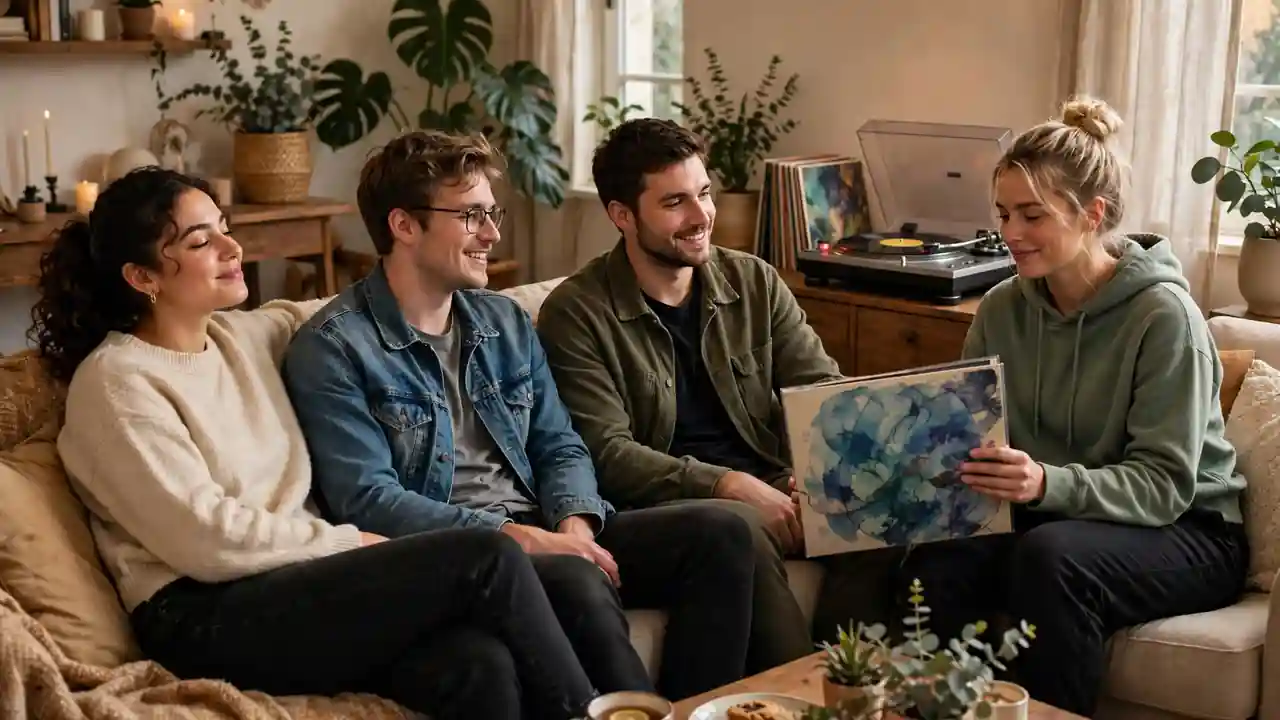
Second, a record is something you can own in a world where almost nothing is owned. Your streaming library can change overnight when a licence expires. Your playlists belong to a company. A record on your shelf belongs to you, and nobody can delete it with a software update. Third, records are social in a way streaming is not. You lend one to a friend. You show off a shelf. You put one on when people come over, and the whole room listens to the same album, instead of everyone wearing headphones and living in their own feed. I have seen this at friends’ flats, and it is real. For a generation raised on screens, a physical object that demands your full attention feels like a small rebellion.
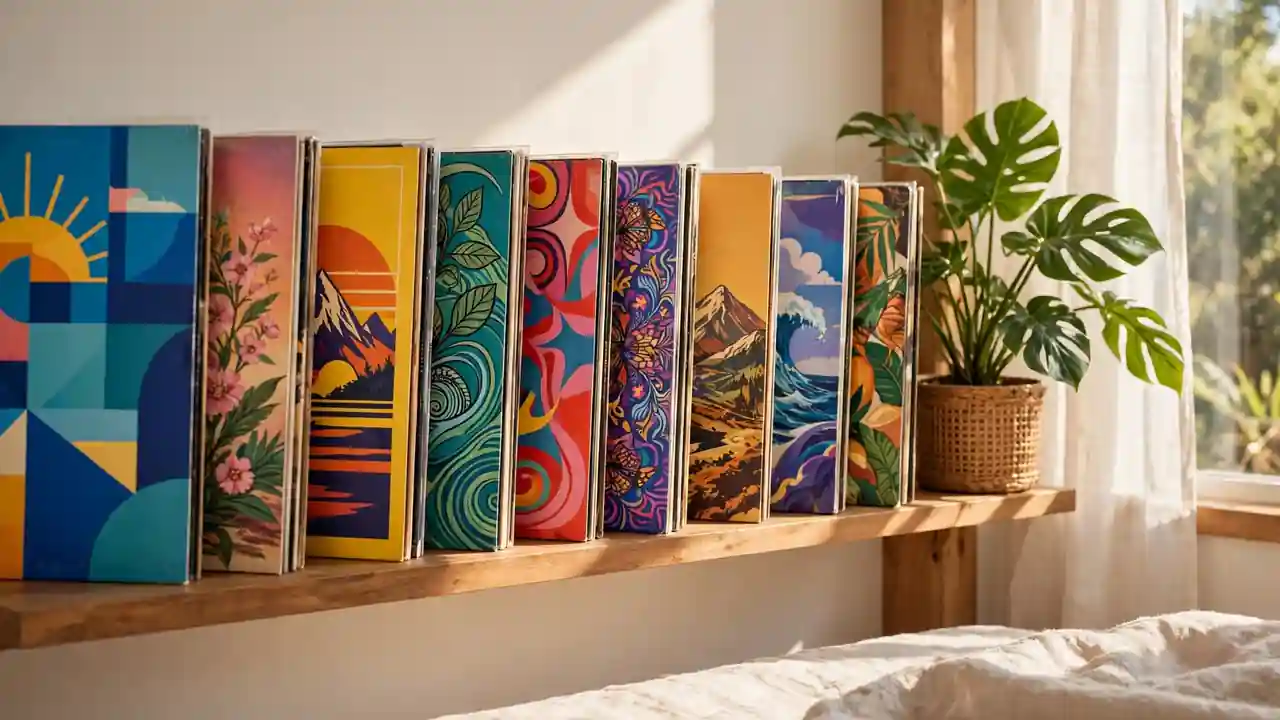
Fourth, and this one matters more than adults like to admit, records look good. Album art was designed to be twelve inches square, not a thumbnail on a phone. A beautiful sleeve on a wall or a shelf is part of the pleasure, and there is no shame in that. Music has always been visual too, from posters to T-shirts, and vinyl gives that visual side room to breathe again.
There is also a humbler reason. A report on the physical music market notes that approximately half of Generation Z and millennial consumers who purchase CDs do not own a CD player, and the same collecting instinct applies to vinyl. Some buyers are buying the object, the artwork, and the act of supporting an artist, even before they own a player. That sounds strange until you remember that people buy band T-shirts they never wear to a gig. Supporting an artist you love, in a visible way, is a real reason, and it is a better reason than most.
What vinyl gives you that streaming cannot
Let me be clear about what vinyl does not give you. It does not give you convenience. It does not give you every song ever made. It does not give you perfect sound, especially on a cheap player with a worn needle, where it can sound worse than a stream. Anyone who tells you vinyl always sounds better is selling you something, probably a turntable.
What it does give you is an album as the artist intended it. Songs in order, with gaps, pauses, and a natural break halfway through when you flip the disc. That break is not a flaw. It is a moment to breathe, refill your tea, and decide whether you want side two. Artists still sequence albums carefully, and streaming encourages us to ignore that work entirely. Vinyl forces us to respect it, gently, by making skipping a physical effort rather than a reflex.
It also gives you liner notes, lyrics, and artwork at a size you can actually read. I have discovered producers, guest musicians, and thank-you notes on sleeves that I never saw on a streaming page, because streaming hides that information three taps deep. If you care about who made the music, not just what it sounds like, a sleeve is a small education.
Finally, vinyl gives you a collection with a story. Every record on my shelf has a memory attached: the shop, the city, the friend who recommended it, the rainy afternoon I first played it. My streaming history has no such memories, because it is infinite and therefore forgettable. We remember what we choose, and we forget what an algorithm chooses for us.
The honest downsides nobody mentions in the shop
I promised you honesty, so here it is. Vinyl is expensive. New records often cost as much as a small grocery shop, and a decent turntable, speakers, and care supplies cost real money before you play a single note. Records take up space, they warp in heat, they scratch if you are careless, and they demand a little maintenance. If you live in a tiny flat, move house often, or mostly listen on the bus, vinyl will frustrate you, and that is fine. It is not a format for every moment of your life.
There is also an environmental question worth asking. Pressing vinyl uses plastic and energy, and shipping heavy discs around the world has a footprint. If you care about that, and I think you should, the kindest approach is to buy records you will play many times, look after them, and buy second-hand where you can. A used record, given a second life, is one of the greenest music purchases you can make. A sealed record you play once and shelve is not.
Buy only albums you already love, and only one at a time. Play it five times before you buy the next one. If you cannot name five albums you love enough to hear start to finish, you do not need a collection yet. You need a playlist, and that is free.
How to start a vinyl collection without wasting money
Start with the player, not the records. Borrow a friend’s setup first, or visit a shop and listen, before you spend anything. A basic, well-reviewed turntable with a decent needle beats a pretty, cheap one that damages your records. Ask the shop staff what they recommend at your budget, and be suspicious of any player that looks like a toy. Your records will thank you.
Next, buy second-hand. Charity shops, record fairs, and the used bins in record shops are full of great albums at a fraction of new prices. Check the disc under a light for deep scratches, look at the sleeve for water damage, and do not be embarrassed to ask to listen before you buy. Most good shops expect it. Then, and only then, buy new records of the albums you love most, preferably from the artist’s own shop or a local record shop, where more of your money reaches the people who made the music.
Store your records upright, never stacked flat, away from radiators and sunny windows. Handle them by the edges, put them back in their sleeves after playing, and clean them gently with a proper brush. These small habits sound fussy, but they are the difference between a record that sounds great in ten years and one that crackles like a campfire.
Is vinyl a bubble, or is it here to stay?
People have predicted the end of the vinyl revival for fifteen years, and it has not ended, which tells you something. But it has changed. The early revival was driven by older collectors rebuying their youth. Today’s revival is driven by younger buyers building something new, and that is a stronger foundation, because it does not depend on one generation’s memories. At the same time, growth has slowed from its wildest years, prices have risen, and some buyers are discovering that a shelf full of unplayed records is not a personality. Both things can be true. The format can settle into a healthy, permanent niche without taking over the world, and that is probably its future.
Streaming will remain how most people listen most of the time, and that is fine. Vinyl does not need to beat streaming. It needs to offer something different, and it does: a slower, fuller, more deliberate way to hear an album. As long as people want that feeling, and as long as artists keep making beautiful records, the crates will stay full.
Visit a record shop with no plan to buy anything. Flip through one crate, slowly, and pick the album with the cover you like most. Ask the staff to play it. Listen to one full side without touching your phone. If you feel bored, vinyl may not be for you. If you feel calm, you have just discovered why millions of young listeners are doing exactly this.
Frequently asked questions
Does vinyl really sound better than streaming?
Sometimes, and sometimes not. A well-pressed record on a good system can sound warm and full, but a cheap player or a worn record can sound worse than a high-quality stream. The real difference is usually not the sound. It is the way vinyl makes you listen to a whole album, without skipping.
Why are new records so expensive?
Pressing plants are limited, materials and shipping cost real money, and small runs are pricier per unit than mass production. Deluxe editions, coloured vinyl, and extra artwork push prices higher still. Buying second-hand, or choosing a standard black pressing, keeps costs much lower.
Do I need an expensive turntable to start?
No, but avoid the cheapest toy-like players, which can damage records. A basic, well-reviewed turntable from a proper hi-fi or record shop is a good starting point. Borrow or test one first if you can, and upgrade only when you know you love the hobby.
Why do RIAA and Luminate vinyl numbers differ?
They measure different things. The RIAA counts records shipped to retailers, while Luminate counts records sold to customers. Shipments can run ahead of shop sales when shops stock up, which is why the RIAA’s unit growth looks higher than Luminate’s in the first half of 2026.
Is it worth buying vinyl if I do not own a player yet?
Only if you plan to get one soon, or you are buying an album as a collectible to support an artist. Otherwise, save your money until you can actually play it. A record you cannot hear is a poster, not a listening experience.
Are cassettes and CDs coming back too?
CDs surged strongly in the first half of 2026, with RIAA revenue up 58.6 per cent, and cassettes have a small but loyal niche. Vinyl remains the biggest physical format by revenue, but the wider story is that listeners of all ages are rediscovering owned, physical music in several forms.
Final thoughts
I still have that first record, the one I bought by accident before a train. It is a little scuffed now, and I love it more for that. It taught me that music is not only something to consume as fast as possible. It is something to sit with, to choose deliberately, and to share with people in a room. Young listeners are not buying vinyl because they are confused about technology. They grew up with better technology than any generation before them, and they are choosing something slower on purpose. That choice deserves respect, not jokes about nostalgia. So if you are curious, go and listen to a full album, start to finish, this week, on any format you like. Well done for caring enough about music to read this far, and if you already own a record you love, tell us about it in the comments. I would love to know which album made you a believer.
Published: 26 October 2026 | Updated: 26 October 2026
React to this story